
Disclaimer: As an Amazon Associate, I earn from qualifying purchases.
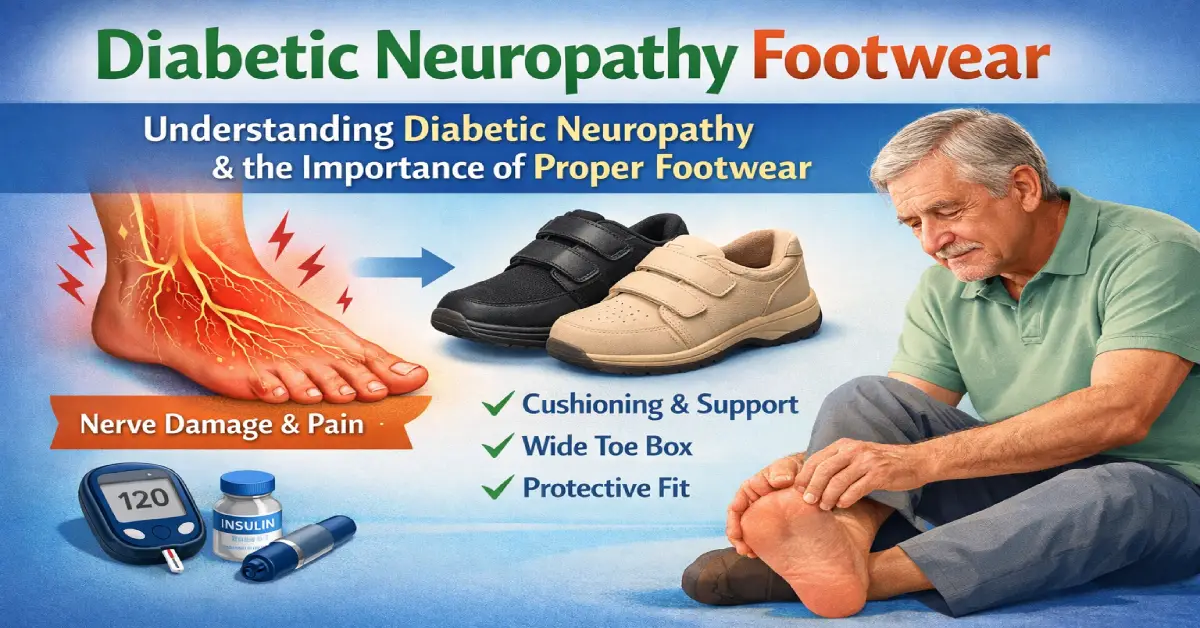
Finding the right Diabetic Neuropathy Footwear is essential because living with diabetes requires meticulous care. but often, our feet are the most neglected part of the body. Do you frequently feel a “pins and needles” sensation in your feet? Or perhaps a persistent tingling that just won’t go away? In medical terms, this is known as Diabetic Neuropathy. When blood sugar levels remain high for an extended period, it damages the delicate nerves in the extremities, leading to a loss of sensation in the feet or numbness. As a result, finding the right Diabetic Neuropathy Footwear is no longer just a choice but a necessity.In this guide, we will explore why this happens and why choosing a specialized diabetic shoe from Diabetic Step is no longer a luxury, but a necessity for your long-term mobility.
What is Diabetic Neuropathy and Why Does It Happen?
Diabetic Neuropathy isn’t just a simple ailment; it’s a serious complication of prolonged high blood glucose levels. Think of your nerves as electrical wires that send messages between your brain and your body. High sugar levels act like “rust” on these wires, particularly the long ones leading to your feet. According to health experts, proper footwear reduces the risk of foot ulcers by over 50%.
The Hidden Danger of Numbness
The primary danger of neuropathy is the “loss of protective sensation.” If a healthy person steps on a small pebble or has a sharp seam rubbing against their toe, they feel pain and fix the issue. However, someone with neuropathy may not feel a thing. This minor irritation can quickly escalate into a blister, an open sore, or a diabetic foot ulcer, which if left untreated, could lead to severe infections or even amputation.Moreover, choosing the wrong shoes can lead to ulcers. Therefore, you must prioritize comfort and protection.
Learn more about our journey and expertise in diabetic foot care.
Common Symptoms of Nerve Damage in Feet
Neuropathy often creeps up slowly. You should be concerned if you experience:
- Burning Sensations: A feeling of intense heat under the feet, especially at night.
- Tingling or Buzzing: Feeling like ants are crawling on your skin or constant electrical zaps.
- Sharp Cramps: Sudden, unexplained pains in the feet or calves.
- Balance Issues: Feeling unsteady while walking, as if you are walking on cotton wool or foam.
Why Regular Shoes Are a Threat to Neuropathic Feet
Most off-the-shelf fashion shoes are designed for aesthetics, not for the complex needs of a diabetic foot. For someone with nerve damage, standard shoes can be a “silent enemy”:
- Narrow Toe Boxes: Many shoes squeeze the toes together, causing friction and “hot spots.”
- Hard Soles: Hard outsoles create high-pressure points on the ball of the foot and the heel.
- Interior Seams: Rough stitching inside a shoe can act like sandpaper against fragile skin.
- Poor Breathability: Synthetic materials trap moisture, creating a breeding ground for fungal infections.
Benefits of Diabetic Neuropathy Footwear
This is where Diabetic Step makes a difference. A specialized shoe is engineered to be a protective shield for your feet. Here is why it is essential:
1. Why Quality Diabetic Neuropathy Footwear Matters
Diabetic shoes feature extra-depth and multi-layered orthotic insoles. These are designed to distribute your body weight evenly across the entire sole, preventing the localized pressure that causes ulcers.
2. Seamless Interior Construction
A true diabetic shoe is “seamless.” The interior is lined with soft, smooth materials to ensure there is nothing that can rub against the skin and cause a wound that you might not feel.
3. Breathable and Flexible Materials
In other words, your shoes should act as a protective shield for your feet. Using high-quality leather or medical-grade mesh allows the foot to breathe. This regulates temperature and keeps the skin dry, which is crucial for preventing infections.
Daily Foot Care Tips for Neuropathy Patients
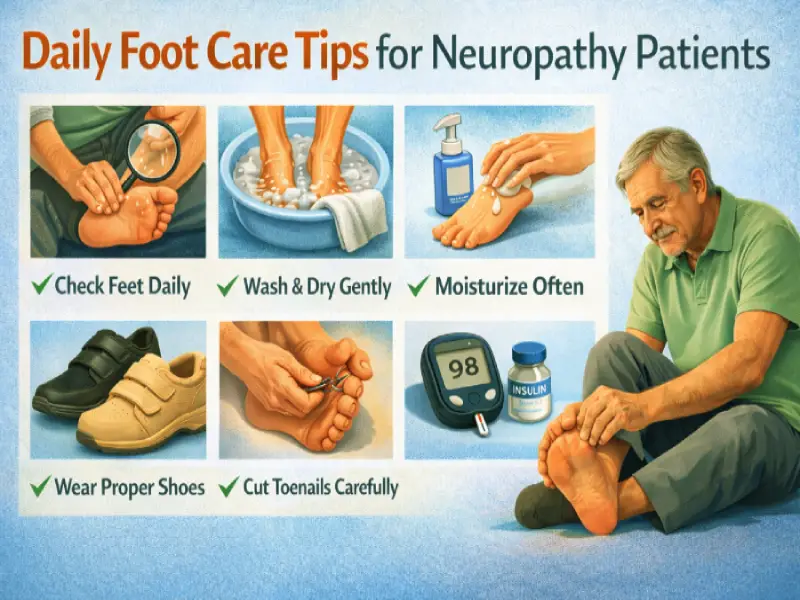
While the right shoes are vital, your daily routine matters too:
- The Mirror Test: Use a mirror to check the bottom of your feet every night for redness, cuts, or swelling.
- Never Walk Barefoot: Not even at home. A stray crumb or a carpet tack can cause a major injury.
- Moisturize Carefully: Keep your skin soft to prevent cracking, but never put lotion between the toes.
How to Select the Best Diabetic Neuropathy Footwear?
When shopping for your next pair at Diabetic Step, keep these three rules in mind:
- Shop in the Afternoon: Your feet naturally swell during the day. Buying shoes when your feet are at their largest ensures they won’t be too tight later.
- Check for Depth: Ensure the shoe has enough depth to accommodate specialized insoles if needed.
- Lightweight Construction: Heavy shoes can cause fatigue and increase the risk of tripping.
Conclusion
Your feet are the foundation of your independence. Taking care of them today ensures you can keep walking, working, and enjoying life tomorrow. Nerve damage or tingling doesn’t have to mean the end of your mobility—it’s simply a signal that your feet require better protection. A pair of high-quality diabetic shoes is the best investment you can make for your health.
Do you have questions about foot numbness or choosing the right size? Leave a comment below or message us directly. We are here to help you take that next healthy step! You Can also visit our about us pages. Finally, investing in quality Diabetic Neuropathy Shoes is the best step for your health.