
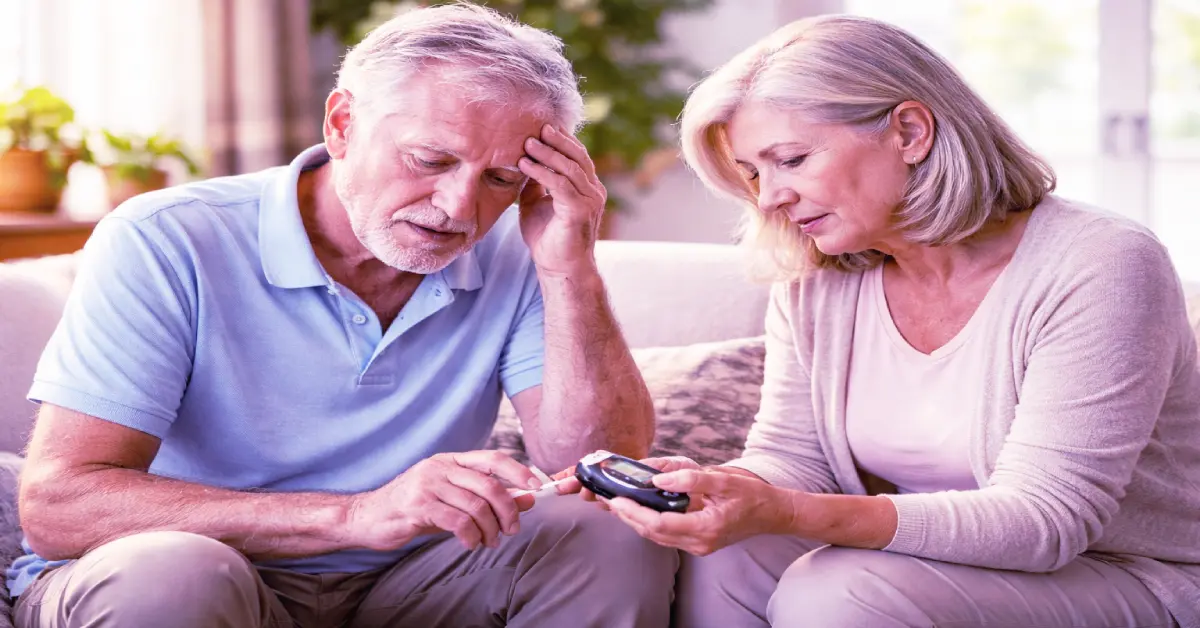
Understanding hypoglycemia awareness is vital for every senior with diabetes to stay safe, For many seniors living with diabetes, managing high blood sugar is a daily priority. But there is another danger that is often overlooked—hypoglycemia, or low blood sugar. When blood sugar drops below safe levels, it can happen quickly and, if ignored, can lead to serious complications.
As we age, our body’s ability to recognize the symptoms of low blood sugar can change. Whether you are a senior managing your own health or a caregiver supporting a loved one, understanding the signs of hypoglycemia is a life-saving skill.
Why Hypoglycemia Awareness Matters for Seniors?
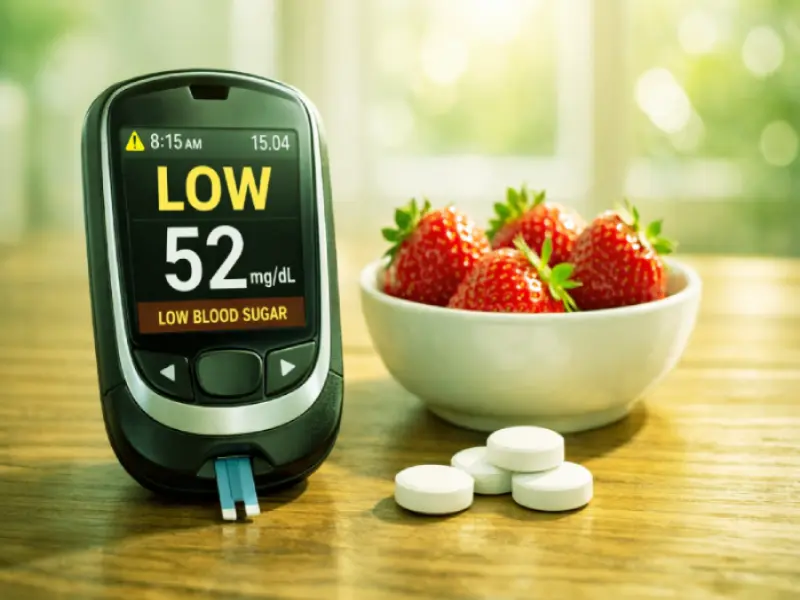
Hypoglycemia awareness occurs when your blood glucose level drops below 70 mg/dL. For seniors, this is particularly risky because it can cause dizziness, confusion, and in severe cases, fainting or falls. Many factors can trigger a drop, including skipping a meal, taking too much medication, or unexpected physical exertion.
Key Warning Signs of Low Blood Sugar
Recognizing the early warning signs is the best way to prevent a medical emergency. Keep an eye out for these common symptoms:While staying active is crucial, performing indoor exercises for seniorssafely requires monitoring your blood sugar levels regularly.
- Shakiness or Trembling: You might feel a sudden tremor in your hands or legs.
- Sudden Hunger: An intense, almost overwhelming feeling of hunger.
- Confusion or Difficulty Concentrating: This is especially common in seniors and is often mistaken for simple fatigue.
- Excessive Sweating: Breaking into a cold sweat even when it is not hot.
- Dizziness or Lightheadedness: Feeling unsteady when standing or walking.
- Rapid Heartbeat: Feeling like your heart is racing or pounding.
How Caregivers Can Help
If you are caring for a senior with diabetes, you play a vital role. Encourage your loved one to keep a log of their glucose readings. If you notice them acting unusually—such as being irritable, confused, or suddenly tired—do not hesitate to check their blood sugar level immediately. Always have a source of “quick-acting carbs,” like fruit juice or glucose tablets, readily available.
When to Seek Immediate Medical Help
While mild hypoglycemia can often be treated at home, you must seek emergency medical help if:
- The person loses consciousness.
- They are unable to swallow or keep food down.
- Their blood sugar level does not rise after 15 minutes of treatment.
Why Hypoglycemia Awareness is Critical for Seniors
Frequently Asked Questions (FAQ)
A: Follow the “15-15 Rule.” Eat or drink 15 grams of fast-acting carbohydrates (like half a cup of juice), wait 15 minutes, and check your blood sugar again.
A: Seniors are more likely to have other health conditions and take multiple medications that can interact with diabetes management, making blood sugar levels harder to predict.
A: Yes, nocturnal hypoglycemia is common. Signs include waking up with a headache, damp pajamas from sweating, or feeling extremely tired in the morning.
Importance of Hypoglycemia Awareness for Seniors
Final Thoughts
For more clinical details on managing low blood sugar, you can refer to the official guidelines by the American Diabetes Association. Knowledge is your best defense against diabetes-related complications. By staying aware of these warning signs and keeping a proactive routine, you or your loved one can live a safe, active, and fulfilling life. Always consult with your healthcare provider to create a personalized plan for managing hypoglycemia effectively.