

Disclaimer: As an Amazon Associate, I earn from qualifying purchases.
Managing diabetes effectively requires more than just medication; it demands a deep understanding of how different foods affect your glucose levels. Over the years, I have discovered that focusing on low-glycemic foods that keep my blood sugar stable is the most effective way to maintain energy and avoid dangerous spikes. The Glycemic Index (GI) is a crucial tool that ranks carbohydrates based on how quickly they raise blood glucose. Moreover, choosing foods with a low GI score has been the cornerstone of my daily routine for over two decades.
Understanding the Glycemic Index
The Glycemic Index is a scale from 0 to 100. Foods with a high GI are rapidly digested and absorbed, causing a sharp rise in blood sugar. However, low-GI foods (scored 55 or less) are digested slowly, providing a steady release of energy into the bloodstream. Scientific research consistently shows that low-GI diets improve overall health; for more details, you can read the latest study on Glycemic Index and Health from Harvard Medical School.This slow absorption is essential for anyone looking to manage their condition long-term. Furthermore, understanding this concept allows you to enjoy a variety of delicious meals without the constant fear of hyperglycemia.
Top 10 Low-Glycemic Foods for 2026
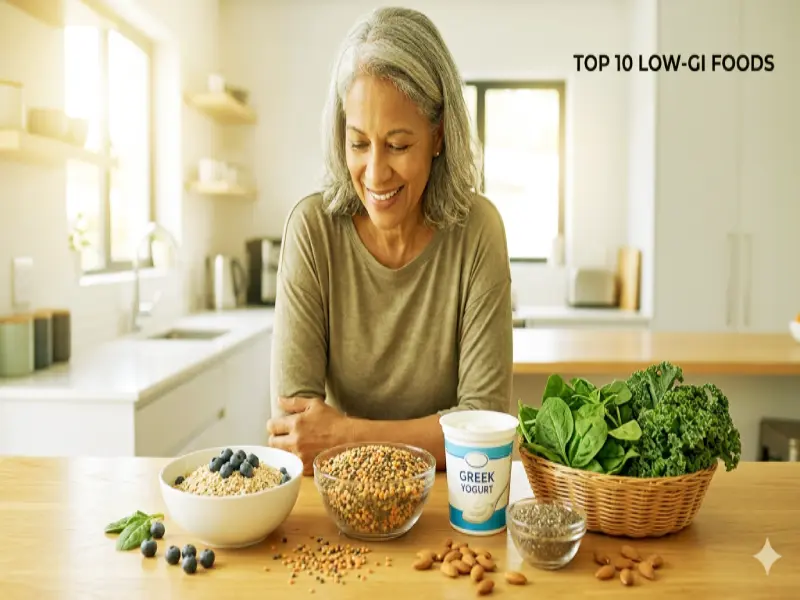
Best Low GI Fruits for Your Diet
1. Steel-Cut Oats (GI: 53)
Not all oats are created equal. Instant oats often have a high GI, but steel-cut oats are much lower. They are packed with soluble fiber, which slows down the absorption of glucose. Moreover, they keep you feeling full for a longer duration, reducing the urge to snack on sugary treats.
2. Lentils and Legumes (GI: 32)
Lentils are a powerhouse of nutrition. They provide a perfect balance of protein and complex carbohydrates. However, it is important to prepare them without heavy fats or sugars to maintain their low-GI benefits. They are versatile and can be added to soups, salads, or stews.
3. Greek Yogurt (Plain) (GI: 12-15)
Unsweetened Greek yogurt is an excellent snack for seniors. It contains high levels of protein and probiotics. Furthermore, the fermentation process reduces the lactose content, making it easier on the digestive system while keeping the glycemic response very low.
4. Leafy Greens (Spinach and Kale) (GI: Very Low)
Vegetables like spinach and kale are virtually calorie-free and have almost zero impact on blood sugar. Moreover, they are rich in magnesium, a mineral that helps the body process insulin more efficiently. I always make sure at least half of my plate consists of these greens.
Quinoa (GI: 53)
Quinoa is a great alternative to white rice for anyone watching their sugar levels. Understanding the quinoa GI value is essential because, at 53, it falls into the low-glycemic category. However, portion control is still necessary to maintain a healthy quinoa glycemic response. Replacing white rice with quinoa was one of the biggest changes I made in my diet to stay stable and energized throughout the day.
6. Berries (Blueberries and Strawberries) (GI: 40-50)
If you have a sweet tooth, berries are your best friend. They are high in antioxidants and fiber. Furthermore, research suggests that berries can improve insulin sensitivity, making them a “superfood” for diabetics in 2026.
7. Almonds and Walnuts (GI: 15)
Nuts are low in carbohydrates but high in healthy fats and protein. Moreover, eating a handful of almonds before a meal can actually help lower the glycemic response of the entire meal. They are the perfect “on-the-go” snack.
8. Sweet Potatoes (Boiled) (GI: 44-54)
Many people think potatoes are forbidden, but boiled sweet potatoes (with the skin on) have a much lower GI than regular white potatoes. However, be careful not to overcook them, as prolonged heat can increase their glycemic index.
9. Chia Seeds (GI: 1)
Chia seeds are incredible for stabilizing blood sugar. They form a gel-like substance in the stomach, which slows down the digestion of carbohydrates. Furthermore, they are an excellent source of Omega-3 fatty acids, which support heart health.
10. Barley (GI: 28)
Barley is perhaps the king of low-GI grains. Its extremely low GI makes it a perfect base for many dishes. Moreover, it contains beta-glucan, a type of fiber that has been shown to lower cholesterol levels alongside blood sugar.
Glycemic Index Quick Reference Chart
To help you make better choices, here is a simple guide to understanding GI categories:
| Food Category | GI Range | Blood Sugar Impact |
| Low GI | 55 or less | Slow and steady rise |
| Medium GI | 56–69 | Moderate rise |
| High GI | 70 or more | Sharp and fast spike |
How to Build Your Low-GI Plate
Building a balanced plate is just as important as choosing the right foods. However, the order in which you eat your food matters too. I always start with my fiber (vegetables), followed by protein, and I save the complex carbohydrates for last. Furthermore, staying hydrated by drinking plenty of water throughout the day helps the kidneys flush out excess sugar.
Moreover, do not forget that physical activity, like a 15-minute walk after lunch, works in harmony with your low-GI diet to keep your readings within the normal range. In 2026, with all the smart kits and monitoring technology available, tracking how these foods affect you has never been easier.
While choosing the right foods is vital, you should also monitor your daily progress by referring to my Normal Blood Sugar Chart for Seniors to stay within your target range.
Conclusion
Following a diet filled with low-glycemic foods that keep my blood sugar stable has given me back control over my life. It is not about deprivation; it is about making smarter, informed choices. However, always consult with your doctor or a nutritionist before making significant changes to your meal plan. By focusing on these top 10 foods, you can enjoy a vibrant, healthy life even in your 60s and beyond.