

Disclaimer: As an Amazon Associate, I earn from qualifying purchases.
Are you a diabetic? Do you know why diabetics feel tingling in their feet at night? But you are not alone. Many people with diabetes experience this uncomfortable “pins and needles” sensation, especially when they try to rest. This nighttime discomfort often signals underlying nerve changes that require immediate attention. In this guide, we will explore the biological reasons behind this nighttime tingling and provide five fast, actionable solutions to help you regain your comfort and sleep quality.
Understanding Diabetic Peripheral Neuropathy
Diabetic peripheral neuropathy is the most common reason why patients feel sensations like tingling, burning, or numbness. When your blood sugar levels are unstable or high for a long time, it damages the delicate walls of the capillaries, the vessels that supply oxygen and nutrients to your nerves. Without proper nourishment, these nerves send erratic signals to the brain—which can lead to complications later on.
If you are concerned whether these symptoms indicate a more serious condition, read our detailed guide on whether Foot Tingling is a Sign of Danger to understand the risks of diabetic neuropathy.
Why Do Diabetics Feel Tingling in Feet at Night?
Many patients ask why the discomfort peaks after sunset. During the day, physical activity and environmental noise distract the brain from minor nerve pain. However, when you lie down in a quiet room, your brain focuses entirely on internal sensations. Furthermore, lower temperatures at night can sometimes aggravate sensitive nerve endings, making the tingling feel more intense.
Why Do Diabetics Feel Tingling in Feet at Night?
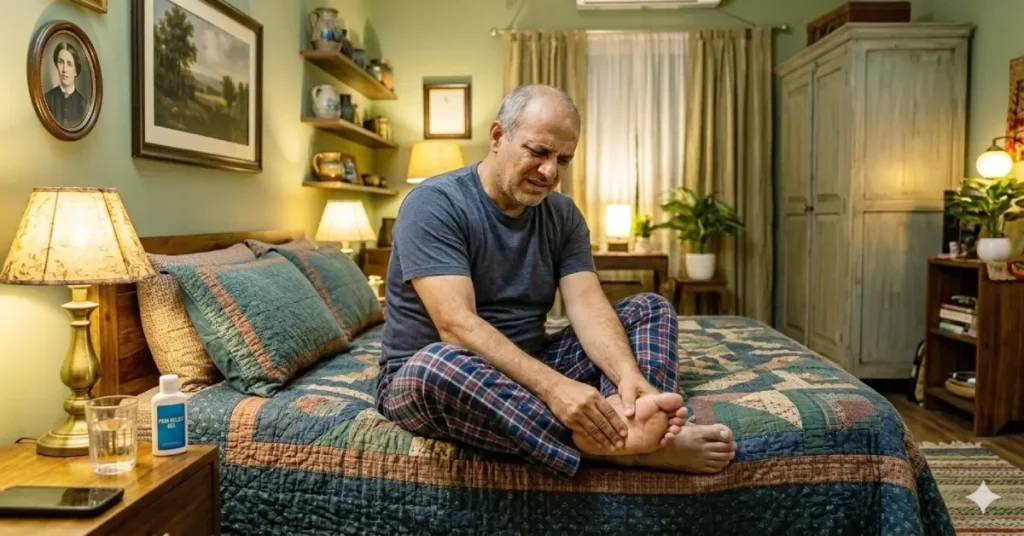
While long-term management is crucial, you often need immediate relief to get through the night. Here are five effective strategies to soothe your feet.
1. Stabilize Your Blood Sugar Levels
Maintaining stable blood sugar is the foundation of nerve health. High glucose acts as a toxin to your nervous system. By following your prescribed meal plan and monitoring your levels before bed, you prevent further nerve irritation. Consistency here stops the progression of the tingling sensation.
2. Use Specialized Diabetic Socks
Compression or specialized diabetic socks improve blood flow. These socks apply gentle pressure, which helps the veins return blood to the heart more efficiently. Improved circulation reduces the buildup of metabolic waste, which is often a reason why diabetics feel tingling in feet at night, providing quick relief from that “crawling” sensation.
3. Implement a Warm Foot Soak and Massage
A gentle warm water soak (not hot) relaxes the muscles and dilates blood vessels. After the soak, massage your feet with a moisturizing lotion. In addition,The physical act of massaging stimulates the nerves and encourages healthy blood flow, which can effectively “quiet” the tingling signals before you sleep.
4. Optimize Your Sleeping Position
Gravity affects blood circulation. Try elevating your feet slightly using a thin pillow. This position prevents blood from pooling in the lower extremities and addresses one of the common physical triggers for why diabetics feel tingling in feet at night. Additionally, ensure your bedsheets are loose, as heavy blankets can press down on sensitive toes.
5. Incorporate Nerve-Supporting Nutrients
Certain vitamins, particularly Vitamin B12 and Alpha-lipoic acid, play a vital role in nerve repair. Many diabetics suffer from B12 deficiency due to certain medications. Consult your doctor about adding these supplements to your routine to strengthen your nervous system from the inside out.
When to Consult a Medical Professional

If you notice open sores, extreme redness, or if the tingling turns into complete numbness, seek medical advice immediately. Early intervention prevents serious complications like foot ulcers or infections. However,Choosing the right shoes is vital for managing nerve pain; explore our expert recommendations on Best Walking Shoes for Diabetic Elderly Women: 2026 to find the perfect fit for your needs.
Frequently Asked Questions (FAQ)
Ans. Yes, spikes in blood sugar can irritate sensitive nerve endings almost immediately. While long-term damage takes time, sudden fluctuations often trigger a “pins and needles” sensation. Maintaining a stable glucose level throughout the day helps prevent these sudden onset symptoms.
Ans. Absolutely. Specialized diabetic socks feature non-binding tops and extra padding to protect the feet. They improve circulation and reduce the risk of friction-related injuries. For many, wearing these socks provides a noticeable reduction in nighttime tingling and discomfort.
Ans. Moderate walking generally improves nerve health by boosting blood circulation. However, you must wear proper orthopedic or diabetic shoes to avoid pressure points. If walking causes sharp pain or numbness, consult your doctor to adjust your activity plan.
Ans. The burning sensation is a common symptom of advanced diabetic neuropathy. It occurs because the damaged nerves send exaggerated pain signals to the brain. Therefore,Using the cooling techniques or warm soaks mentioned above can help soothe these overactive nerve signals.
Ans. Vitamin B12 is essential for maintaining the protective sheath around your nerves. Many diabetics experience a deficiency in this vitamin, which exacerbates tingling. While supplements can help repair nerve health, always speak with a healthcare provider to determine the correct dosage for your needs.
Final Thoughts on Why Do Diabetics Feel Tingling in Feet at Night
- Managing nighttime foot discomfort requires a proactive approach and the right tools. Understanding why do diabetics feel tingling in feet at night is the first step toward reclaiming your sleep. By stabilizing your blood sugar, choosing the right footwear, and implementing simple home remedies like massages and elevation, you can significantly reduce nerve irritability.
- Never ignore persistent tingling, as it serves as an early warning sign for your overall health. Prioritize your foot care routine today to ensure a pain-free and restful tomorrow. If symptoms persist or worsen, always seek professional medical advice to prevent further complications.