

Introduction
Managing how to manage type 1 diabetes in children safely at home can feel overwhelming at first. Parents often worry about blood sugar levels, insulin routines, healthy meals, and unexpected emergencies. Diabetes is not currently curable, but it can be managed successfully with the right daily routine, medical support, and consistent monitoring. However, This guide shares practical tips, modern tools, and simple daily habits to help parents confidently care for a child with type 1 diabetes at home. Learning that your child has type 1 diabetes may feel scary at first, but with the right knowledge and preparation, your family can build a safe, healthy, and balanced routine together.
However, learning how to safely manage type 1 diabetes in children at home is not just about medical routines; it is about creating a lifestyle where your child can grow, play, and develop like any other child. In this 2026 edition, we will explain everything from blood sugar monitoring to emotional support in easy-to-follow steps. You are not alone in this journey, and with the right tools, your home can be the safest and happiest place for your brave little warrior.
Understanding Type 1 Diabetes in Kids
Before we dive into the daily routines, it is important to understand what is happening inside the body. In type 1 diabetes, the pancreas stops producing insulin, which is the key that lets sugar (glucose) into the cells to create energy. Unlike type 2, this has nothing to do with diet or lifestyle—it is an autoimmune condition. While understanding the biological basics is crucial, it’s equally important to know how external factors like stress impact these levels; learn more in our guide on Does Stress Raise Blood Sugar? 5 Ways for Diabetics to Stay Calm and Control Glucose.
Managing this at home requires a balance between three main pillars:
- Insulin Administration
- Nutritional Planning
- Physical Activity
Setting Up Your Home for Safety
To effectively manage type 1 diabetes in children safely at home, organization is your best friend. Create a “Diabetes Station” in your kitchen or living area.
What should be in your kit?
- A reliable glucose monitor (CGM or traditional strips).
- Insulin pens or pump supplies.
- Fast-acting glucose sources (like juice boxes or glucose tabs) for emergencies.
- A glucagon emergency kit.
- A logbook or a digital tracking app.
Keeping everything in one place reduces stress during those busy mornings or unexpected late-night checks.
Blood Sugar Monitoring to Manage Type 1 Diabetes in Children Safely at Home
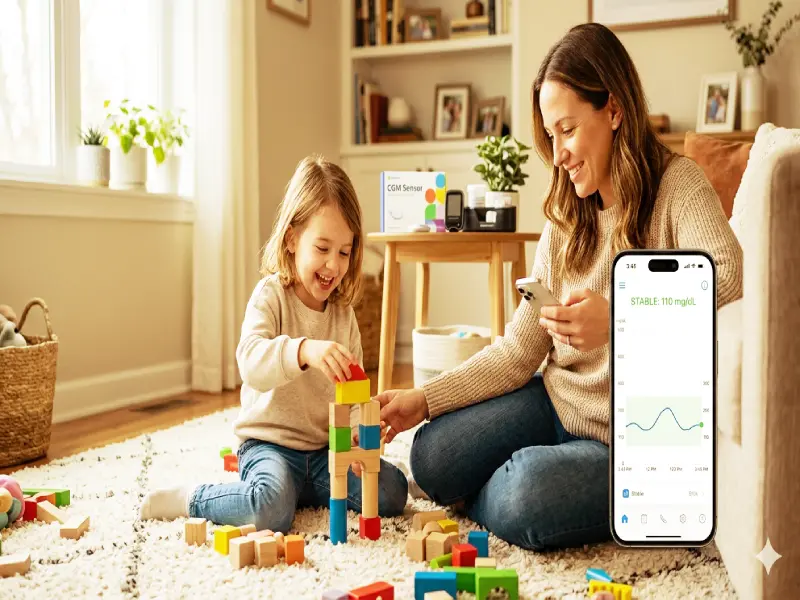
In 2026, technology has made monitoring much easier. Continuous Glucose Monitors (CGMs) are a game-changer. They provide real-time data and alerts if your child’s sugar goes too high or too low. While CGMs offer real-time alerts, having a reliable handheld device for backup is essential; discover our top recommendations in our review of the 5 Best Blood Glucose Monitors for Accurate Tracking in 2026.
- The Target Range: Work with your doctor to set a specific range.
- Checkpoints: Always check before meals, before physical activity, and before bedtime.
- Safety Tip: Even with a CGM, keep a traditional finger-prick meter handy as a backup for calibration or if symptoms don’t match the reading.
Meal Planning Tips to Manage Type 1 Diabetes in Children Safely at Home
Diet is a huge part of the puzzle. But here is a secret: a “diabetic diet” is actually just a healthy diet that the whole family should follow. This keeps the child from feeling “different.” To help you plan nutritious and inclusive meals, you can find expert-approved dietary recommendations on the Healthy Eating for Children with Diabetes page from the Nemours KidsHealth.
Key Strategies:
- Carb Counting: This is essential for calculating insulin doses. Use apps to make this easier.
- Fiber is King: Foods like lentils, beans, and whole grains slow down sugar absorption.
- Smart Snacking: Keep low-carb snacks like nuts, cheese sticks, or berries ready for when hunger strikes between meals.
How to Manage Type 1 Diabetes in Children Safely at Home with Exercise
Physical activity is vital for insulin sensitivity. However, exercise can make blood sugar drop.
- Pre-play Routine: Check sugar levels before your child starts running around.
- The Right Tools: Encourage fun activities. Even using something like a wobble board or a balance board at home can be a great way to stay active during rainy days while improving their core strength and circulation.
- Stay Prepared: Always have a small snack nearby during play sessions in case of a “low.”
Dealing with Highs and Lows (Hyper and Hypo)
Every parent fears the “lows” (Hypoglycemia). Recognizing the signs early is part of managing the condition safely.
Signs of a Low (Hypo):
- Shakiness, sweating, or pale skin.
- Irritability or sudden mood changes.
- Dizziness or hunger.
- The 15-15 Rule: Give 15 grams of fast carbs (juice), wait 15 minutes, and re-check.
Signs of a High (Hyper):
- Extreme thirst and frequent urination.
- Blurred vision.
- Fatigue.
- Action: Check for ketones if levels are consistently high and ensure they stay hydrated with water.
The Emotional Side: Support Your Child’s Mind
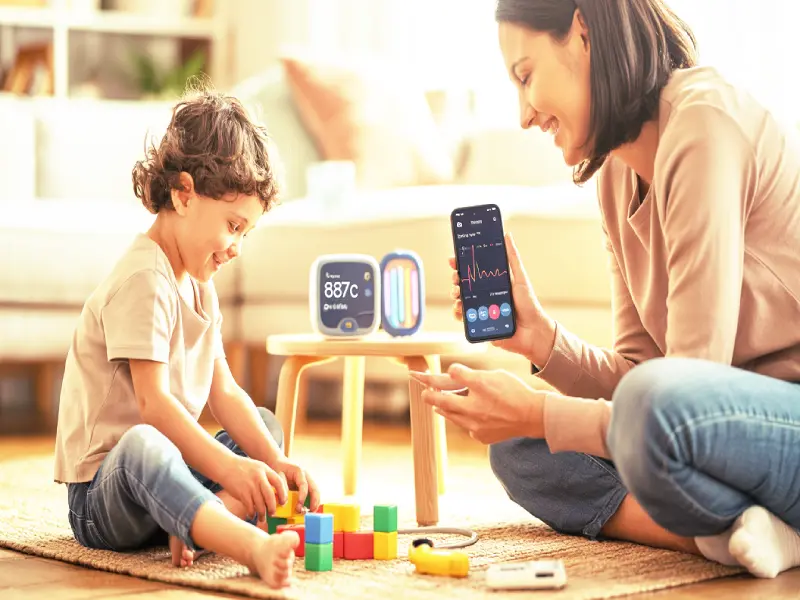
Living with diabetes is a mental challenge as much as a physical one. Children can feel burnt out or frustrated by constant finger pricks.
- Be Positive: Focus on what they can do, not just the restrictions.
- Education: Teach them about their body in a way they understand. Involve them in the process so they feel in control.
- Support Groups: Connect with other parents. Sharing experiences helps normalize the situation for both you and your child.
Comparison Table: CGM vs. Traditional Finger Pricks
| Feature | Continuous Glucose Monitor (CGM) | Traditional Finger Prick (BGM) |
|---|---|---|
| Pain Level | One sensor every 10–14 days | Multiple pricks daily |
| Real-time Alerts | Yes (High/Low alarms) | No |
| Cost | Higher (usually insurance-based) | Lower |
| Convenience | High (view on phone/watch) | Low (manual testing) |
| Accuracy | Very good (occasional calibration) | Very high (gold standard) |
Frequently Asked Questions (FAQ) of How to Manage Type 1 Diabetes in Children Safely at Home
Ans. Yes! They just need the right amount of insulin to cover the carbohydrates. It’s about moderation and timing, not total deprivation.
Ans. Currently, there is no cure for type 1 diabetes, but research is moving fast. With proper management, they can lead a long, healthy, and successful life.
Ans. Create a 504 Plan or a written care plan for the school. Ensure the teacher and school nurse know the signs of a low and how to use the emergency kit.
Ans. Absolutely! Exercise is actually highly recommended for children with type 1 diabetes as it improves heart health and insulin sensitivity. The key is to check blood sugar levels before, during, and after the activity to prevent sudden drops. In addition to regular physical activity, maintaining healthy blood flow is vital for long-term care; you can explore the Best Leg Circulation Machines for Diabetics: 5 Top Picks in 2026 to support your overall vascular health at home.
Ans. Illness can cause blood sugar levels to rise because the body is under stress. During “sick days,” it is crucial to monitor glucose levels more frequently and check for ketones. Therefore, Ensure your child stays hydrated and follow the specific “sick day plan” provided by your doctor regarding insulin adjustments. For a more detailed medical protocol on handling these situations, you can refer to the official guidelines on Diabetes Sick Day Management provided by the Mayo Clinic.
Conclusion of How to Manage Type 1 in Children Safely at Home
Knowing how to manage type 1 diabetes in children safely at home is a journey of patience and learning. Additionally, There will be good days and challenging days, but remember that you are doing an incredible job. By staying organized, utilizing modern technology like CGMs, and maintaining a positiv etes doesn’t define your child—their strength and your love do. Stay consistent, stay prepared, and don’t forget to celebrate the small victories every day. Along with staying active, a balanced diet is key, so be sure to check out our Best Fruits for Diabetic Patients: The Ultimate Guide to Blood Sugar-Friendly Choices to find the safest snack options for your child.