
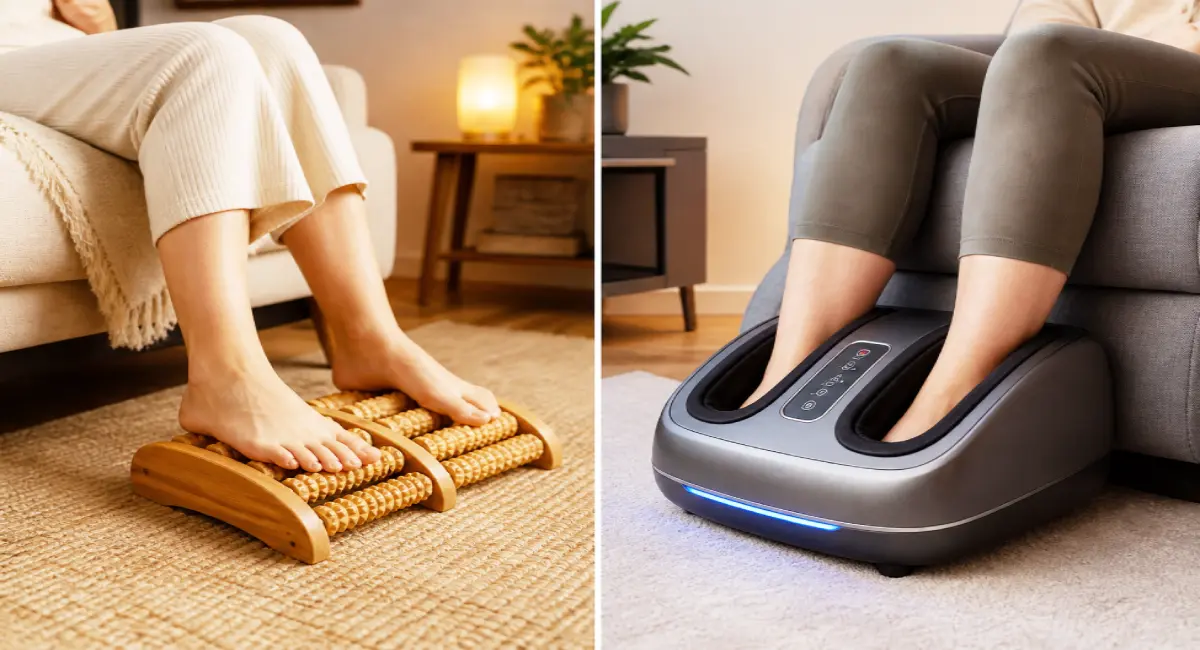
Introduction for Safety Comparison: Manual vs Electric Foot Massager for Diabetics
I know that patients need to take special care of their feet because foot care for diabetics is not just a matter of comfort—it is a medical necessity. High blood sugar levels can lead to complications like diabetic neuropathy, which causes pain, tingling, or loss of sensation in the feet. When deciding between a manual vs electric foot massager for diabetics, it’s important to remember that while massagers are great for improving circulation, choosing the wrong type can lead to injuries.
Improving blood flow is essential for managing nerve pain and neuropathy symptoms. To learn more about circulation boosters, read our post on Is Walking Enough for Neuropathy?.
In this comprehensive guide, we compare manual and electric foot massagers to determine which is safer and more effective for diabetic patients. I hope you find this guide useful.
1. Manual Foot Massagers
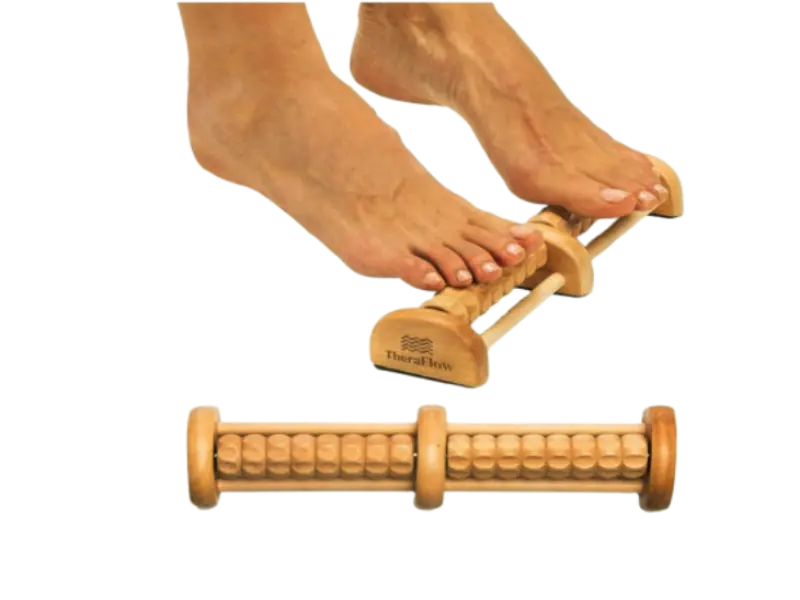
Manual massagers are typically wooden or plastic rollers or acupressure mats. You control the pressure by moving your feet over the device.
- Total Control: You decide exactly how much pressure to apply.
- Safety: No risk of electrical shocks or unexpected high heat.
- Affordability: These are budget-friendly and last for years.
- Drawback: It requires physical effort to move your legs back and forth.
2. Electric Foot Massagers
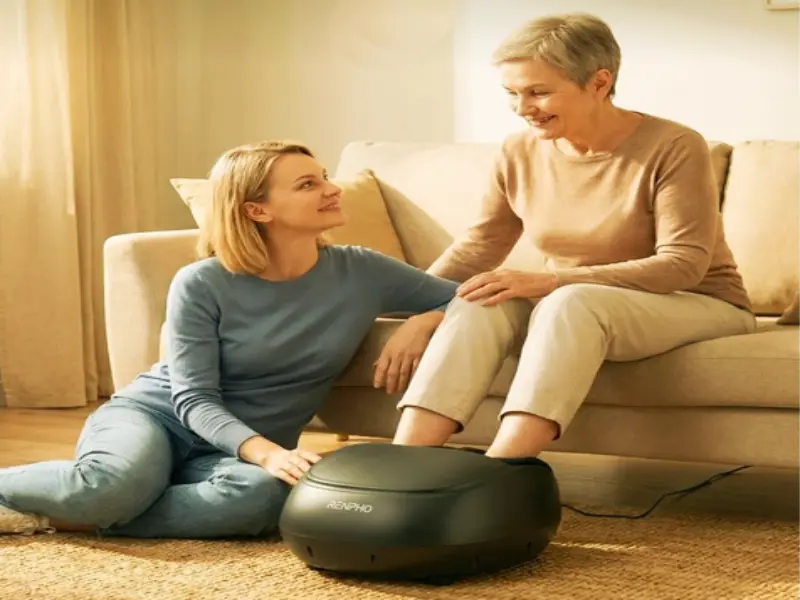
Electric models use vibration, rolling nodes, and heat therapy to massage the feet automatically.
- Deep Tissue Relief: Provides intense massage that reaches deep into the muscles.
- Convenience: No physical effort is required—just sit back and relax.
- Heat Therapy: Helps soothe chronic aches and stiffness.
- Risk: If you have loss of sensation, you might not feel if the heat is burning your skin or if the pressure is too high.
Comparison Table: Manual vs. Electric
| Feature | Manual Foot Massager | Electric Foot Massager |
| Safety Level | High (User-controlled) | Moderate (Requires caution) |
| Heat Therapy | None | Often included |
| Effort Required | Moderate | Zero |
| Risk of Burns | None | Possible (due to heat settings) |
| Price | Low | High |
| Portability | High | Limited (requires power outlet) |
Which is Safer for Diabetics?
For most diabetics, a Manual Foot Massager is considered safer. This is because you can feel every movement, preventing any accidental bruising or skin damage. However, an Electric Massager with adjustable intensity and a “no-heat” option can be used safely if you are extra careful. While selecting the right massager is key, pairing it with proper footwear can significantly improve comfort. You can check our detailed guide on Best Orthopedic Shoes for Women with Diabetes for more insights.
5 Critical Safety Tips for Diabetics
Safety first is the golden rule when dealing with sensitive feet. For a scientific breakdown of nerve health, refer to the Healthline: Neuropathy Symptoms and Relief article.
- Consult Your Doctor: Always ask your physician before using a massager if you have severe neuropathy.
- Limit Session Time: Do not use any massager for more than 10-15 minutes at a time.
- Check the Temperature: If using an electric model, test the heat with your hands first.
- Inspect Your Feet: Look for cuts, blisters, or sores before and after every session.
- Stop if it Hurts: If you feel any sharp pain or discomfort, stop immediately.
Frequently Asked Questions (FAQ)
Ans. Yes, massaging helps stimulate blood flow, which is crucial for preventing diabetic foot complications.
Ans. It can be risky. Diabetics with neuropathy may not feel high temperatures, which can cause severe skin burns. Always use low heat or “no-heat” settings.
Ans. Daily use is generally safe for 10-15 minutes, provided there are no open wounds or severe inflammation.
Ans. If the pressure is too intense and the user cannot feel it due to numbness, it could potentially damage sensitive tissues or nerves.
Ans. Both work well, but wooden rollers are often more durable and provide a more natural feel for manual massage.
Conclusion: Making the Best Choice for Your Feet
When comparing the safety of a manual vs electric foot massager for diabetics, one must consider the intensity of the vibration. Choosing between a manual and an electric foot massager depends entirely on your current foot health and sensitivity levels. For diabetics, the primary goal is to improve circulation while eliminating the risk of injury. In that case, you will need to make a decision based on the current condition of your feet. I have discussed the differences between manual and electric foot massagers in detail. Although I am not a doctor, my 20 years of diabetes experience have given me some guidance.Understanding professional medical standards is crucial for your safety. For authoritative advice, you should visit the American Diabetes Association Guidelines on Foot Care
- Go Manual If: You have advanced neuropathy or very sensitive skin. Manual massagers offer you 100% control over the pressure and eliminate any risk of burns or mechanical bruising.
- Go Electric If: You have good sensation in your feet and are looking for deep tissue relief or heated therapy to boost blood flow. However, always ensure the device has an auto-shutoff feature and adjustable intensity settings.
Ultimately, the “safer” option is the one that allows you to monitor your feet closely. Regardless of your choice, always inspect your feet before and after each session for any signs of redness or irritation. Consult with your podiatrist to ensure your chosen method aligns with your specific diabetic care plan. Consult your podiatrist (foot doctor) to ensure that the method you choose is compatible with your specific diabetes treatment plan. Take regular foot care, stay safe, live a healthy life. Consistency is the secret to healthy feet. Along with massage therapy, make sure to follow a Daily Diabetic Foot Care Routine to prevent common complications.