

Choosing the right home therapy equipment can be life-changing for chronic back pain. If you are caught between an Inversion Table vs Adjustable Weight Bench for diabetic home therapy, safety must be your top priority. Let’s break down the crucial health risks and benefits before you make a decision.
Managing chronic back pain while living with diabetes requires careful consideration, especially when choosing the right home therapy equipment. If you are torn between two popular fitness tools, you might be asking yourself: Inversion Table vs Adjustable Weight Bench: Which is Safer for Diabetic Back Pain Relief? While both tools are excellent for spinal health and general fitness, they treat the body in completely different ways. For individuals with diabetes, safety is the ultimate priority because certain physical positions and exercises can impact blood circulation, blood pressure, and nerve health differently.
In this comprehensive guide, we will break down the safety levels, benefits, and hidden risks of both inversion tables and adjustable weight benches. By the end of this article, you will know exactly which equipment suits your diabetic health needs without putting your safety at risk.
Quick Comparison Table
Before diving into the detailed analysis, let us look at a quick comparison of how these two premium home therapy tools stack up against each other, specifically for diabetic patients.
| Features | Inversion Table | Adjustable Weight Bench |
| Primary Function | Spinal decompression via gravity | Supported strength training and stretching |
| Spine Relief Method | Gravitational traction (hanging upside down) | Muscle strengthening and targeted core support |
| Diabetic Safety Level | Moderate to Risky (Requires medical clearance) | High and Stable (Excellent for blood sugar) |
| Cardiovascular Impact | Increases blood pressure in the head | Safe, controlled cardiovascular response |
| Best For | Severe sciatica and herniated discs | Chronic back pain, core strength, and stability |
Deep Dive: Inversion Table for Diabetic Back Pain

Manufacturers design the inversion table as a specialized therapy tool to tackle back pain through spinal decompression. By strapping yourself into the table and tilting backward, you hang at an angle or completely upside down. This allows gravity to naturally pull your joints apart and stretch your spine.
How Inversion Therapy Works
When you invert, the gravitational pull reverses the constant pressure on your spine. This actions creates extra space between your vertebrae, instantly relieving pressure on pinched nerves, herniated discs, and lower back muscles. Many people experience immediate relief from severe sciatica because the table no longer compresses the nerve.
The Benefits for Back Pain
- Instant Sciatica Relief: Decompressing the spine removes direct pressure from the sciatic nerve.
- Improved Flexibility: Regular stretching helps relax tight lower back muscles and increases flexibility.
- Better Joint Fluid Circulation: Inversion helps circulate fluids into the spinal discs, keeping them healthy.
Crucial Safety Warnings for Diabetics
While the benefits sound amazing, inversion therapy carries significant risks for individuals with diabetes. You must be aware of these factors before buying an inversion table:
- Diabetic Retinopathy Risks: Hanging upside down causes a sudden rush of blood to your head. If you have diabetic retinopathy, this increased ocular pressure can cause fragile blood vessels in your eyes to leak or rupture.
- Blood Pressure Spikes: Inversion naturally raises your blood pressure. Since diabetes is frequently linked with hypertension or cardiovascular conditions, this sudden spike can be dangerous.
- Diabetic Neuropathy and Foot Straps: Inversion tables require tight ankle clamps to hold your weight securely. If you suffer from peripheral neuropathy, you might not feel if the clamps are too tight, leading to skin bruises, blisters, or poor blood circulation in your feet.
Deep Dive: Adjustable Weight Bench for Diabetic Home Therapy
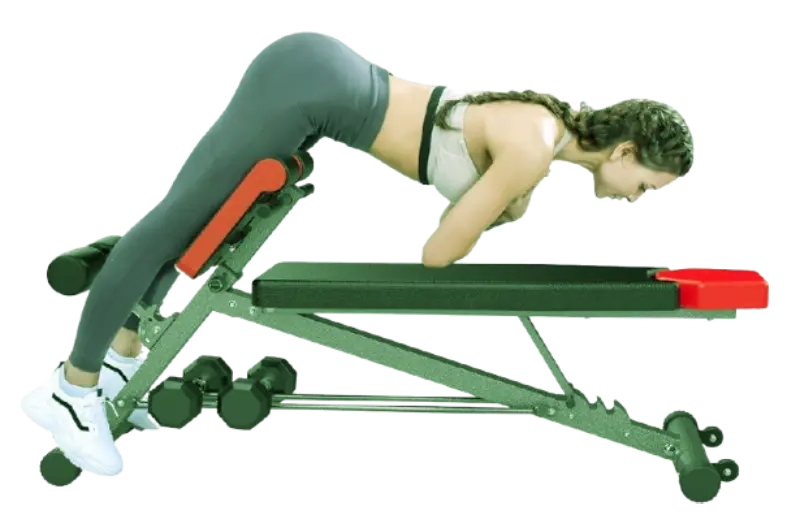
An adjustable weight bench is a staple in both commercial gyms and home setups. Unlike a flat bench, an adjustable bench allows you to shift the backrest into incline, decline, or flat positions, providing total control over your workout posture.
How a Weight Bench Helps Home Therapy
Instead of hanging upside down, an adjustable weight bench provides a highly stable, solid surface to perform targeted exercises. It allows you to strengthen the muscles that surround and support your spine, such as your core, glutes, and lower back muscles. A stronger core naturally takes the daily pressure off your spinal discs, preventing back pain from returning. To learn more about other effective home therapy options, you can also read our review on the Best Vibration Plate for Lymphatic Drainage and Diabetic Circulation: Top 5 Home Therapy Picks
The Benefits for Diabetic Patients
- Enhanced Insulin Sensitivity: Engaging in resistance training on a weight bench is highly beneficial for diabetes management. According to leading health institutions, muscle activation directly helps your body use insulin more efficiently, lowering blood sugar levels.
- Total Spine Support: Using an incline or flat bench allows you to perform seated or lying exercises with zero strain on your lower back.
- Zero Fall Risk: You remain grounded at all times, making it incredibly safe for seniors or those with balance issues.
Safety Features of a Weight Bench
An adjustable bench is widely considered one of the safest pieces of equipment for diabetic patients. It does not cause sudden changes in blood pressure because your head remains above or level with your heart. Furthermore, there are no tight ankle straps to worry about, eliminating any risks associated with diabetic foot issues or neuropathy.
Inversion Table vs Adjustable Weight Bench: Head-to-Head Comparison
Now let us compare these two options directly across specific safety categories to find out which option wins the title: Inversion Table vs Adjustable Weight Bench: Which is Safer for Diabetic Back Pain Relief?
Stability and Fall Risk: Inversion Table vs Adjustable Weight Bench
An inversion table requires you to trust a rotating mechanical frame while your feet are locked in the air. If you experience dizziness, which is a common symptom of diabetic hypoglycemia, being inverted can be disorienting. On the other hand, an adjustable weight bench keeping your body close to the floor. It offers maximum stability, meaning there is virtually zero risk of falling or losing your balance.
Circulation and Nerve Impact
Inversion tables alter your systemic blood circulation rapidly, forcing blood toward your brain and upper body. If your blood circulation is already compromised by diabetes, this can cause lightheadedness when you return to an upright position. Conversely, an adjustable weight bench improves healthy blood circulation through active muscle movement, which is highly recommended for managing diabetic neuropathy symptoms.
Ease of Use at Home
Using an inversion table safely often requires another person in the room to assist you, especially when you are adjusting to the angles. An adjustable weight bench can be used completely independently. You can sit down, adjust the angle with a simple pin, and perform your therapeutic stretches or light dumbbell exercises completely alone without any safety worries.
The Verdict: Which Should You Choose?
Both tools have their unique places in home physical therapy, but when it comes to the safety of a diabetic patient, one clear winner emerges.
Choose an Inversion Table If:
Choose an Inversion Table If: You should only choose an inversion table if your primary issue is a severely pinched nerve or a herniated disc, and you have received absolute clearance from your doctor. Ensure that your eyes and blood pressure are perfectly healthy before attempting inversion therapy. If you get medical approval, you can explore our detailed guide on the 5 Best Inversion Tables for Home Relief: Safe Exercises to Soothe Back Pain.
Choose an Adjustable Weight Bench If:
Choose the Adjustable Weight Bench If: For the vast majority of individuals living with diabetes, the adjustable weight bench is the safer, more practical, and highly beneficial choice. It provides a stable environment to build a strong core, protects your spine from future injuries, and actively helps manage your blood sugar levels through safe resistance exercises. To find the right equipment for your routine, check out our top recommendations in the Best Adjustable Weight Benches for Safe Diabetic Exercise at Home: Top 5 Picks.
Frequently Asked Questions (FAQs)
Ans. It is not recommended unless a doctor specifically approves it. Due to the risks of increased eye pressure (retinopathy) and blood pressure spikes, everyday inversion can be risky for diabetic individuals.
Ans. Yes, an adjustable weight bench is incredibly safe for seniors. It offers excellent back support during exercises, eliminates the risk of falling, and allows seniors to perform low-impact strength training comfortably.
Ans. Gentle stretching on a flat or incline bench can help improve overall blood flow and relieve tight muscles, which may ease general discomfort. However, it does not cure or directly treat nerve damage caused by diabetic neuropathy.
Ans. If you have medical approval to use an inversion table, you should start at a very shallow angle of 15 to 20 degrees. Never go to a full 90-degree inversion without knowing how your body and blood pressure respond.
Circulation and Nerve Impact: Inversion Table vs Adjustable Weight Bench
In conclusion, when evaluating the Inversion Table vs Adjustable Weight Bench: Which is Safer for Diabetic Back Pain Relief? In the debate, the adjustable-weight bench comes out as the clear winner for everyday safety. While inversion therapy offers powerful spinal decompression, its potential risks to your blood pressure, eyes, and neuropathy symptoms make it a bit unpredictable for diabetic patients without careful medical supervision.
On the other hand, an adjustable weight bench provides a stable, supported, and risk-free platform that not only relieves back strain but also helps you manage your blood sugar levels. Always listen to your body and consult your doctor before introducing any new heavy equipment into your home therapy routine, following the physical activity guidelines recommended by the American Diabetes Association.