
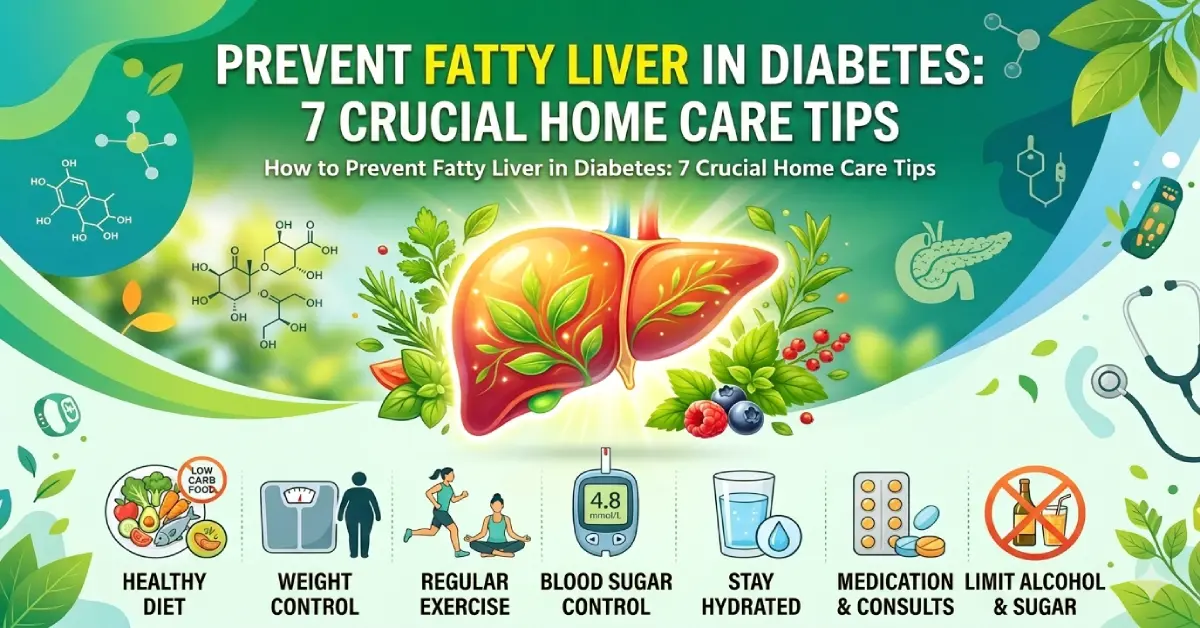
Learning how to prevent fatty liver in diabetes is one of the most critical steps you can take to safeguard your long-term metabolic health. Medical science has established a profound and dangerous link between Type 2 diabetes and Non-Alcoholic Fatty Liver Disease (NAFLD). In fact, global healthcare statistics indicate that nearly 60% to 70% of individuals managing chronic blood sugar issues unknowingly develop excess fat accumulation in their liver cells. When your body suffers from insulin resistance, the liver becomes a primary storage site for circulating triglycerides. Over time, this fat buildup can trigger chronic inflammation, liver cell damage, and potentially lead to severe complications like non-alcoholic steatohepatitis (NASH) or irreversible cirrhosis.
Fortunately, the liver possesses an extraordinary ability to regenerate and heal when given the right therapeutic environment. By implementing structured lifestyle adjustments, optimized dietary frameworks, and safe physical activities, you can dramatically reduce fat deposits in your hepatic tissues. This comprehensive home care guide will walk you through seven scientifically proven, practical strategies to protect your liver, stabilize your blood glucose, and enhance your overall vitality without relying solely on heavy pharmaceutical interventions.
Why Diabetics Must Learn How to Prevent Fatty Liver in Diabetes
To effectively manage and reverse hepatic fat accumulation, it is vital to understand the underlying physiological mechanisms connecting blood sugar and liver function. The liver acts as your body’s primary metabolic hub, responsible for processing nutrients, storing glycogen, and filtering systemic toxins. However, Type 2 diabetes fundamentally alters this delicate balance through a phenomenon known as insulin resistance.
When your cells become resistant to insulin, the pancreas produces even more of this hormone in a desperate attempt to force glucose into your muscles for energy. Unfortunately, high circulating levels of insulin signal the body to mobilize free fatty acids from your fat tissues and transport them straight to the liver. Instead of burning this fat, the compromised liver begins to store it within its own cellular architecture.
Furthermore, chronic hyperglycemia (high blood sugar) accelerates oxidative stress and metabolic inflammation. This dual burden creates a toxic cycle: insulin resistance worsens your diabetes, and the worsening diabetes accelerates fat accumulation in the liver. Breaking this cycle requires a holistic, proactive approach that targets both blood glucose stabilization and hepatic cell protection simultaneously.
7 Crucial Tips on How to Prevent Fatty Liver in Diabetes
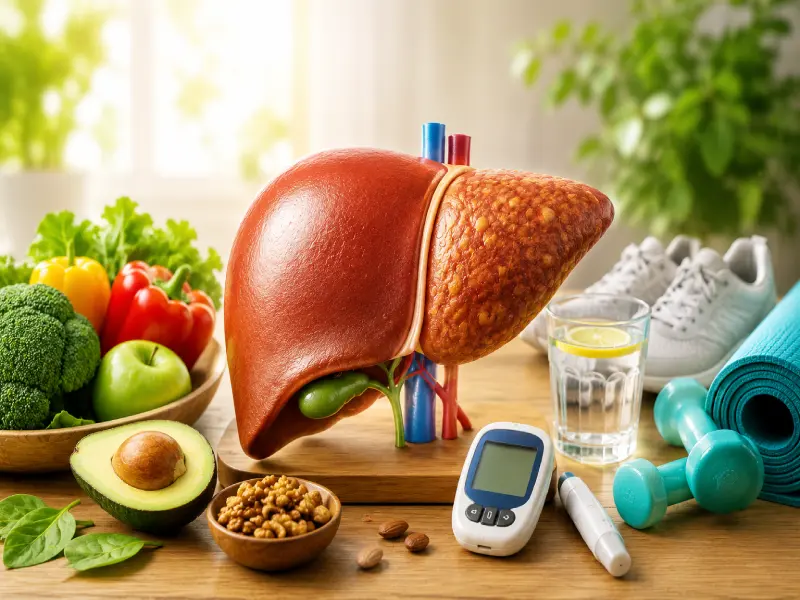
1. Adopt a Low-Glycemic, Liver-Friendly Mediterranean Diet
Your daily nutrition is the most powerful tool you possess to combat hepatic steatosis. Traditional Western diets rich in processed carbohydrates, high-fructose corn syrup, and trans fats act as fuel for liver fat. Instead, shifting your eating habits toward a structured Mediterranean dietary framework can yield remarkable improvements.
Focus on consuming whole, unrefined foods that have a minimal impact on your post-meal blood sugar spikes. Incorporate generous portions of leafy green vegetables (such as spinach, kale, and broccoli), which contain natural compounds that help flush out fat from liver cells. Replace unhealthy fats with monounsaturated fatty acids found in extra virgin olive oil, avocados, and raw nuts. These healthy fats actively work to lower dangerous low-density lipoprotein (LDL) cholesterol and reduce systemic liver inflammation.
2. Practice Strict Fructose Avoidance and Portion Control
Fructose is a simple sugar that is uniquely processed by the human body. Unlike glucose, which can be used by almost every cell for energy, fructose can only be metabolized by the liver. When a diabetic individual consumes large quantities of fructose, the liver becomes completely overwhelmed and immediately converts the excess sugar into fat droplets via a process called de novo lipogenesis.
To protect your liver, you must ruthlessly eliminate high-fructose corn syrup from your lifestyle. This means avoiding sodas, sweetened juices, packaged baked goods, and processed condiments. While whole fruits are packed with vital vitamins and fiber, you should still practice strict portion control. Stick to low-sugar fruits like blueberries, strawberries, and green apples, consuming them in moderation to prevent taxing your hepatic metabolic pathways.
3. Engage in Regular, Safe Seated Cardio Exercises
Physical activity is non-negotiable when optimizing diabetic liver care. Regular exercise forces your skeletal muscles to burn circulating glucose and stored glycogen for fuel, which immediately improves systemic insulin sensitivity. As insulin resistance decreases, your body stops sending an excess stream of fatty acids to your liver.
For seniors or individuals suffering from diabetic neuropathy or joint discomfort, high-impact workouts can be dangerous. This is where low-impact, seated cardiovascular exercises become incredibly valuable. Utilizing a premium seated apparatus, such as an under-desk elliptical trainer, allows you to stimulate lower-body muscular engagement safely from the comfort of a sturdy chair. This continuous, joint-friendly motion effectively burns systemic triglycerides, lowers long-term A1C levels, and actively reduces visceral fat surrounding your internal organs without putting your foot safety at risk.
4. Optimize Weight Loss via Gradual Metabolic Adjustments
Carrying excess weight around your abdominal region—often referred to as visceral adiposity—is a direct driver of fatty liver disease. When studying how to prevent fatty liver in diabetes, research published by leading clinical endocrinologists demonstrates a clear milestone. Losing just 7% to 10% of your total body weight can completely reverse liver inflammation and significantly reduce the percentage of fat stored in hepatic cells.
However, a word of extreme caution for diabetic individuals: rapid, aggressive weight loss or crash diets can actually worsen fatty liver disease. When you starve your body or drop weight too quickly, it triggers a sudden, massive release of free fatty acids into your bloodstream, which floods the liver and exacerbates inflammation. Aim for a safe, gradual weight loss target of 1 to 2 pounds per week through sustainable dietary adjustments and consistent daily movement.
5. Incorporate Safe Home Strength Training
While cardiovascular exercise burns immediate calories, strength training or resistance exercise alters your baseline metabolism. If you want to know how to prevent fatty liver in diabetes through physical activities, building lean muscle mass is essential. Muscle tissue is highly metabolically active; the more muscle you possess, the more glucose your body can process naturally, even when you are resting at night.
For diabetic home care, you do not need to lift heavy, dangerous iron dumbbells. Incorporating gentle resistance bands or performing bodyweight exercises like seated leg extensions and wall push-ups can work wonders. This consistent muscular activity depletes internal fat stores and prevents the synthesis of new lipids in the liver. To ensure your safety, always prioritize correct posture and breathing techniques to prevent joint pain or sudden blood pressure spikes during your home strength training sessions.
6. Stay Hydrated with Hepato-Protective Beverages
Proper systemic hydration ensures that your kidneys and liver can efficiently filter waste products from your bloodstream. Drinking clean, filtered water throughout the day prevents dehydration. Otherwise, dehydration can trigger the liver to release stored glucose. This process raises your blood sugar levels unexpectedly.
In addition to pure water, you can incorporate natural, scientifically validated beverages into your routine. Unsweetened green tea is exceptionally high in epigallocatechin gallate (EGCG), a potent antioxidant compound proven to reduce liver fat accumulation and eliminate oxidative stress within hepatic tissues. Organic black coffee, when consumed without added sugar or milk creams, has also shown remarkable protective qualities in clinical studies, significantly lowering the risk of liver fibrosis in diabetic patients.
7. Prioritize Restorative Sleep and Manage Insulin Spikes
Chronic sleep deprivation and high psychological stress are hidden enemies of liver health. Consistently sleeping less than seven hours a night triggers a negative response. Your body releases elevated levels of cortisol, commonly known as the primary stress hormone. Cortisol acts as a direct antagonist to insulin, causing sudden liver glycogen release and skyrocketing morning blood sugar levels.
Establish a strict, calming nighttime routine to promote deep, restorative REM sleep. Avoid electronic screens for at least one hour before bed, and ensure your sleeping environment is cool and dark. Managing your circadian rhythm stabilizes your baseline insulin levels, which prevents the late-night fat storage cycles that silently damage your liver cells while you sleep. To protect your long-term health, explore the Best Ways to Prevent Diabetic Kidney Disease: A Complete Home Care Guide.
Structured Food Guide for Diabetic Fatty Liver Management
To help you make accurate, stress-free decisions in the kitchen, refer to this structured dietary guide detailing which foods actively heal the liver and which ones accelerate damage:
| Food Category | Hepato-Protective Foods (Eat Frequently) | Liver-Damaging Foods (Avoid Completely) |
| Proteins | Wild-caught salmon, organic tofu, skinless chicken breast, lentils | Processed sausages, fatty cuts of beef, deli meats with preservatives |
| Carbohydrates | Whole oats, quinoa, brown basmati rice, chia seeds | White bread, sugary breakfast cereals, instant noodles, white flour |
| Vegetables | Broccoli, Brussels sprouts, raw garlic, leafy spinach, artichokes | Cream-heavy vegetable casseroles, deep-fried french fries |
| Healthy Fats | Extra virgin olive oil, raw walnuts, whole avocados | Margarine, commercial vegetable oils, hydrogenated trans fats |
| Beverages | Pure water, unsweetened green tea, organic black coffee | Sugar-sweetened sodas, commercial fruit juices, energy drinks |
Frequently Asked Questions (FAQs)
Ans. Yes, in its early stages (Simple Steatosis), fatty liver disease is entirely reversible. Aggressively manage your blood sugar levels and adopt a low-glycemic Mediterranean diet. Also, maintain a regular routine of low-impact exercise. These steps will naturally force your body to burn off the stored fat droplets. Soon, your liver cells will return to their healthy, baseline state.
Ans. Non-Alcoholic Fatty Liver Disease is notoriously known as a “silent killer” because it rarely produces noticeable outward symptoms in its beginning stages. As fat accumulation increases, some individuals may experience a persistent, dull ache or feeling of fullness in the upper right side of their abdomen, accompanied by chronic, unexplained daytime fatigue.
Ans. You should exercise extreme caution and avoid commercial “liver detox” or “cleanse” pills sold online. Many of these unregulated supplements contain hidden chemical compounds or heavy herbal concentrations that can actually cause acute toxic liver injury, especially when your liver is already metabolically compromised by chronic insulin resistance. Stick to whole, natural foods and lifestyle changes instead.
Ans. When your blood sugar is consistently controlled within a safe target range, your pancreas stops overproducing insulin. Lower insulin levels signal your body to halt the emergency mobilization of fatty acids to your hepatic tissues. This immediately stops the inflammatory cycle, preventing the development of tough scar tissue, structurally known as liver fibrosis.
Conclusion: Take Control of Your Diabetic Liver Health Today
In conclusion, understanding how to prevent fatty liver in diabetes is an empowering journey that puts the control back into your hands. Although the biological connection between chronic blood sugar levels and hepatic fat storage is highly complex, the real-world solutions remain deeply rooted in your daily lifestyle choices. By systematically adopting a low-glycemic diet, committing to safe cardiovascular habits, and prioritizing restorative sleep, you can effectively protect your liver cells from inflammatory damage and future scarring.
Remember, consistency is always more valuable than perfection. You do not need to overhaul your entire lifestyle overnight; instead, focus on making small, sustainable improvements each day. Start by drinking an extra glass of water, adding more leafy greens to your dinner plate, or dedicating fifteen minutes to gentle, seated home exercises. Over time, these small compound actions will yield profound benefits, helping you achieve stable A1C results, clean liver markers, and a healthier, more vibrant life.