
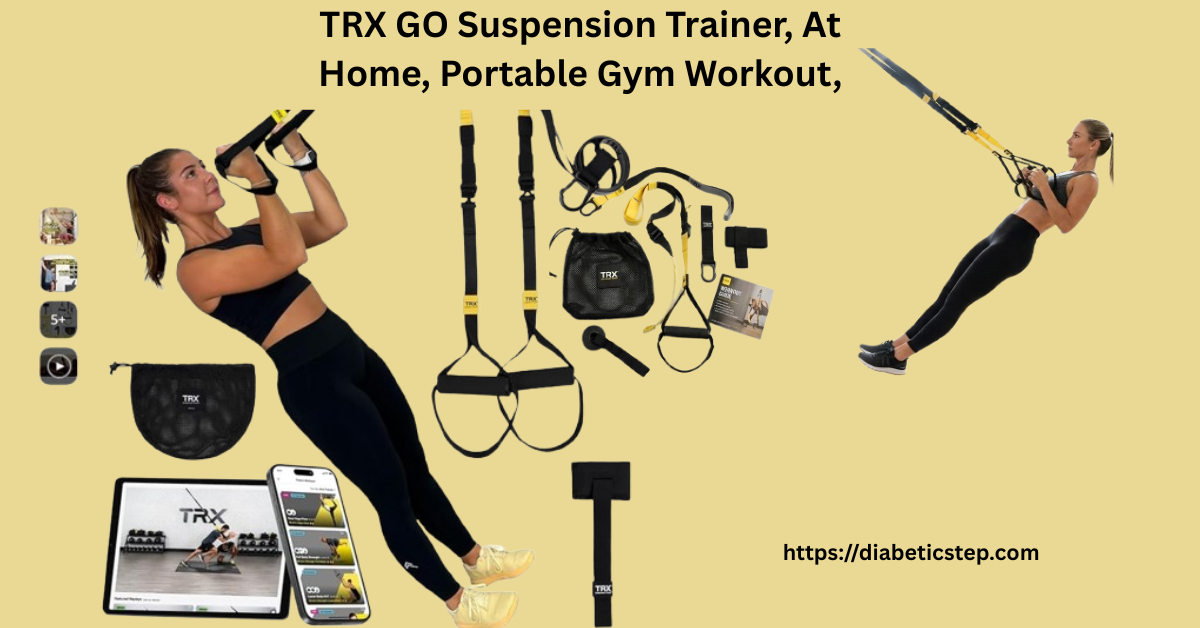
This TRX GO Suspension Trainer review is designed to help you understand if this premium, low-impact workout system is a safe and effective addition to your diabetic home fitness routine. Managing diabetes requires a delicate balance of regular physical activity and strict safety protocols to prevent sudden blood sugar drops or physical injuries. While traditional heavy weightlifting and intense cardio machines can sometimes pose risks to joints and neuropathy-prone feet, suspension training offers a unique, bodyweight-based alternative. Retailing at $139.95, the TRX GO system claims to provide a full-body workout using your own body weight as resistance. In this comprehensive review, we will analyze its features, therapeutic benefits, safety metrics, and whether it truly justifies its price tag for individuals managing Type 1 or Type 2 diabetes.
TRX GO Suspension Trainer Review: Introduction
The TRX GO Suspension Trainer is the most lightweight, portable, and compact entry-level workout system developed by TRX. Engineered for fitness enthusiasts who want a reliable workout without the bulk of traditional gym gear, this system utilizes heavy-duty nylon straps, durable carabiners, and comfortable foam handles. It is designed to anchor easily to any stable overhead structure, including home doorways, ceiling beams, or even outdoor trees, turning any environment into a highly functional personal gym setup.
Lightweight, Portable, and Built to Last
Weighing a mere 0.68 kilograms (1.5 pounds), the TRX GO is incredibly light but surprisingly robust. It can support a maximum weight capacity of up to 350 pounds, proving that its structural integrity is not compromised by its lightweight design. The package includes the main suspension straps, a door anchor, a suspension anchor for outdoor use, a mesh carrying bag, and access to a library of guided digital workouts. For home users, the ease of setup means you can transition from storage to a full-body workout in less than 60 seconds.
Why TRX Training is Ideal for Diabetic Fitness Management

When managing diabetes, choosing the right exercise equipment is critical. You must always monitor your dietary intake carefully. However, high-impact exercises can cause unexpected micro-injuries, joint strain, and foot friction. For instance, running on hard treadmills or lifting heavy free weights can be hazardous. Therefore, TRX suspension training addresses these specific challenges. It safely shifts your fitness focus back to functional and controlled movements, making it a much safer alternative according to health authorities on diabetic exercise safety.
Low-Impact Movements to Protect Neuropathy-Prone Feet
One of the most significant complications of long-term diabetes is peripheral neuropathy. This condition reduces sensation in the feet. Consequently, it increases the risk of friction blisters, ulcers, and serious infection. The TRX GO Suspension Trainer allows users to perform squats, lunges, and core rotations safely. You can execute these movements while holding onto stable, supportive straps. Because a portion of your body weight is always supported by the suspension system, the impact and sheer force traveling through your lower extremities are drastically reduced. This ensures a safe environment where you can build lower-body strength without subjecting your feet to hazardous pounding.
Full-Body Resistance to Boost Insulin Sensitivity
Skeletal muscle tissue is the primary site for glucose clearance in the human body. Engaging in progressive resistance training naturally increases your body’s insulin sensitivity, allowing your cells to utilize available insulin much more effectively to manage blood glucose windows. TRX movements force your body to engage multiple large muscle groups simultaneously—such as your glutes, quadriceps, core, and back. This high level of metabolic engagement burns glycogen efficiently, helping to lower circulating blood sugar levels both during the workout and for hours afterward. If you also want to safely add indoor cardio to your routine to maximize these metabolic benefits, be sure to check out our comprehensive guide on the 5 Best Treadmills Under $500 for Diabetes Management and Seniors.
Key Features of the TRX GO System
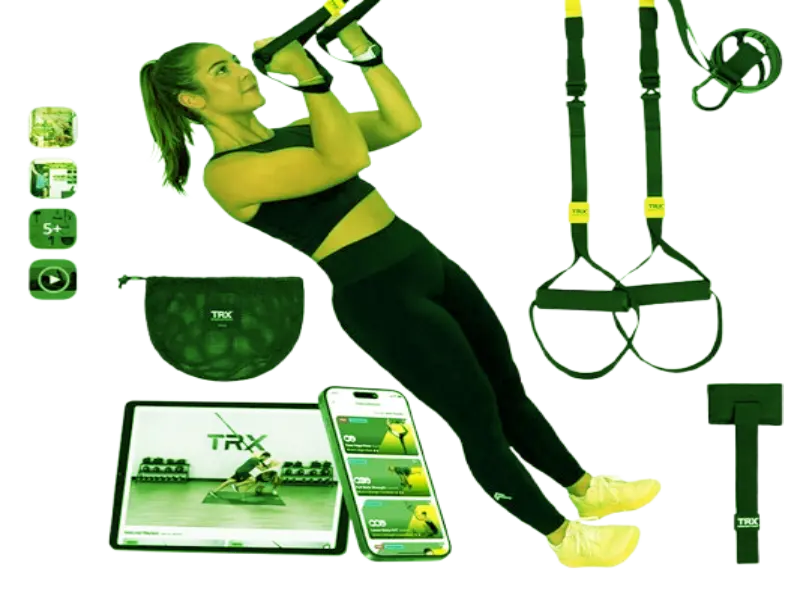
Understanding the specific features of the TRX GO helps determine why it stands out from cheaper, generic suspension straps available on the market.
Quick 20-Minute Guided Workouts via the TRX App
For beginners or patients managing chronic conditions, proper exercise form is crucial. Fortunately, this TRX GO Suspension Trainer review highlights its seamless access to the official TRX training platform. This app offers structured, 20-minute guided workout videos. These short and efficient routines are perfect for diabetics. They keep your exercise sessions controlled and predictable. However, if you are also dealing with severe foot nerve pain before or after your workouts, checking out our guide on the Best Cold Laser Therapy Devices for Diabetic Neuropathy: 5 Top Picks for Home Relief can help you achieve complete, non-invasive pain relief at home. Consequently, you can easily read another TRX GO Suspension Trainer review to confirm how this setup helps avoid sudden, late-onset hypoglycemia.
High-Quality Nylon Straps and Comfortable Foam Handles
The straps are made of industrial-grade nylon webbed stitching. This heavy-duty design prevents any slipping or sudden snapping during movement. Additionally, as noted in this TRX GO Suspension Trainer review, the system features durable foam handles. They offer a secure, non-slip grip even when your hands become sweaty. This reliable grip is essential for users who suffer from mild diabetic hand numbness. However, before setting up your straps, understanding How to Build a Safe Diabetic Home Gym: Essential Equipment & Routines is crucial to ensure your entire exercise environment is completely risk-free. Ultimately, our comprehensive TRX GO Suspension Trainer review finds that it ensures total control throughout every single repetition.
TRX GO Suspension Trainer Review: Pros & Cons
To maintain absolute transparency and help you make an informed buying decision, let’s look at a balanced comparison of what makes this product amazing and where it falls short.
| Pros (Advantages) | Cons (Disadvantages) |
| Zero Joint Impact: Perfect for protecting diabetic feet and joints from micro-tears. | Learning Curve: Requires some initial practice to master core stability and balance. |
| Highly Portable: Weighs only 0.68 kg; easy to pack, store, or travel with. | Foam Handles: Foam grips can wear down faster than the rubber handles found on premium TRX models. |
| Infinite Scalability: Changing your body angle instantly alters the resistance level. | Anchor Dependency: Requires a completely sturdy door or structural beam to ensure safety. |
| App Support: Comes with clear, professional instructional video guides for safety. | Price Point: At $139.95, it is more expensive than basic, unbranded resistance bands. |
Essential Safety Checklist for Diabetics Using TRX at Home
While the TRX GO is inherently a low-impact and safe tool, exercising with diabetes always requires proactive caution. Follow this quick checklist before every workout session:
- Check Blood Glucose Pre-Workout: Ensure your blood sugar is between 100 mg/dL and 250 mg/dL before anchoring your straps. If it is below 100 mg/dL, consume a small 15-gram carbohydrate snack.
- Keep Emergency Carbs Within Reach: Always keep fast-acting glucose tablets, fruit juice, or a sports drink right next to your workout mat in case you feel sudden symptoms of hypoglycemia.
- Inspect Your Footwear: Never perform suspension training barefoot. Always wear supportive, well-fitting athletic shoes and thick, moisture-wicking socks to protect your feet from unnecessary friction against the floor.
- Anchor Verification: Double-check that your door anchor is fully secure on a door that closes away from you, preventing any accidental slips or falls during lean-back movements.
Final Verdict: Is the TRX GO Worth Your Money?
If you are looking to build a reliable, long-term wellness space at home, the TRX GO Suspension Trainer is absolutely worth the $139.95 investment. For individuals managing diabetes, it successfully bridges the gap between intense strength training and safe physical therapy. It eliminates the hazards of heavy iron weights while delivering a comprehensive, full-body metabolic workout that keeps blood sugar levels well within your target range. Its premium build, excellent app integration, and low-impact nature make it a highly recommended addition to any safe diabetic home gym infrastructure.
🔗 Check Current Price and Customer Reviews of the TRX GO on Amazon: [Insert Your Affiliate Link Here]
Frequently Asked Questions (FAQs)
Ans. Yes, the TRX GO is highly suitable for beginners. The beauty of suspension training is that you have full control over the resistance. By simply stepping further away from the anchor point, you decrease the angle of your body, making the exercise much easier. As your strength and stability improve over time, you can step closer to increase the resistance gradually.
Ans. Both methods are excellent for lowering blood sugar, but suspension training is significantly safer for home-based therapeutic care. Heavy dumbbells carry the risk of joint compression or accidental drops on your feet. The TRX GO uses your body weight dynamically, engaging your core muscles continuously and safely boosting insulin sensitivity without putting sudden stress on your cardiovascular system.
Ans. Not at all. The package includes a specialized TRX Door Anchor. You simply slide the padded anchor over the top of a sturdy door, close the door completely, and pull it tight. It requires zero drilling, screws, or permanent modifications to your home, making it an ideal setup for living rooms or bedrooms.
Ans. While it cannot cure neuropathy, TRX training significantly improves core stability, balance, and neurological coordination. Diabetic neuropathy often impairs a person’s balance, increasing the risk of unexpected trips and falls. By performing controlled, supported movements on the TRX GO, you strengthen secondary stabilizer muscles and tendons around your ankles and hips, greatly enhancing your overall functional mobility.
Conclusion
Mastering your daily blood sugar control doesn’t require high-impact workouts or risky heavy lifting that can jeopardize your physical safety. As thoroughly analyzed in this review, the suspension training approach offers a reliable, highly scalable, and structurally sound alternative for physical therapy right from the comfort of your home. It provides the muscle-building stimulus required to increase insulin sensitivity naturally while completely protecting your lower extremities from harmful impact and friction.
However, remember that any new fitness infrastructure should be integrated into your lifestyle with absolute care. Always coordinate with your medical team or primary care physician before introducing new resistance workloads into your management plan. To understand more about how different types of physical activities dynamically impact your metabolic health, you can read the official guidelines on Exercise and Blood Sugar Control from the American Diabetes Association. Investing in the right tools today is your best strategy for securing long-term health independence tomorrow.