
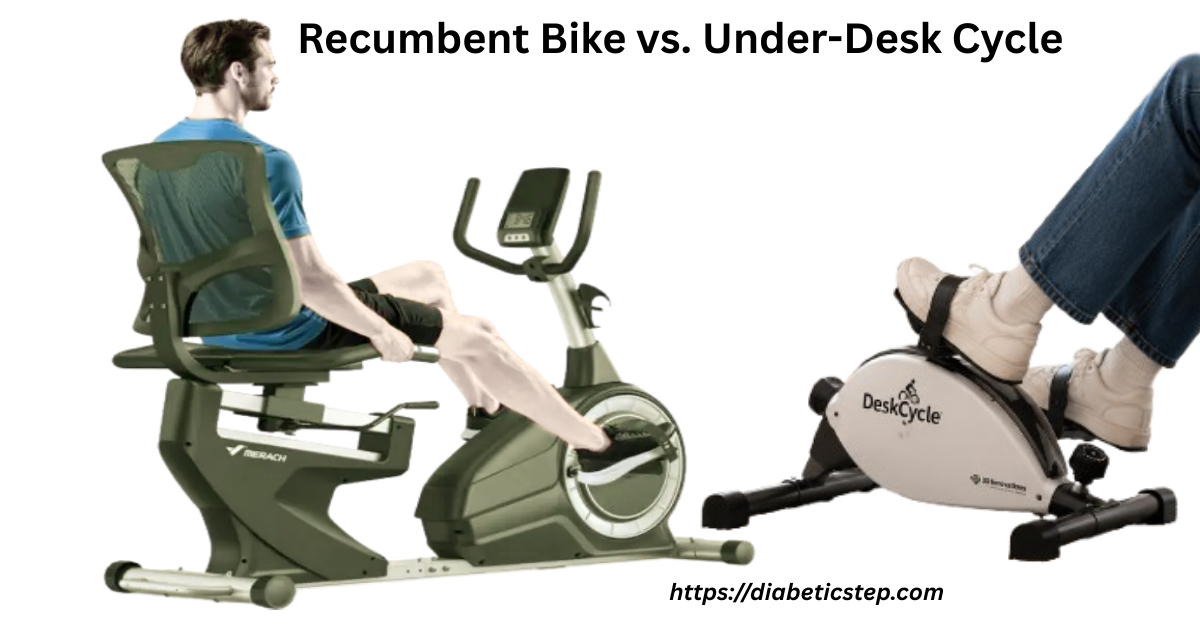
Choosing the right low-impact exercise equipment is crucial for older adults who want to stay active, protect their joints, and manage conditions like diabetes. When comparing a recumbent bike vs. under-desk cycle, seniors often wonder which option provides the safest and most comfortable experience at home. Both tools offer excellent cardiovascular benefits without putting excessive stress on the body, but they cater to very different mobility needs and workspace setups.
What is a Recumbent Bike?
A recumbent bike is a stationary bicycle that allows you to sit in a reclined position. It features a spacious, chair-like seat with full back support, and the pedals are positioned out in front of your body rather than down below.
What is an Under-Desk Cycle?
An under-desk cycle (or pedal exerciser) is a compact, floor-based device that consists only of pedals and a resistance mechanism. It has no seat or handlebars, allowing you to place it under a desk or in front of your favorite living room chair while sitting comfortably.
Recumbent Bike vs. Under-Desk Cycle: Key Differences for Seniors
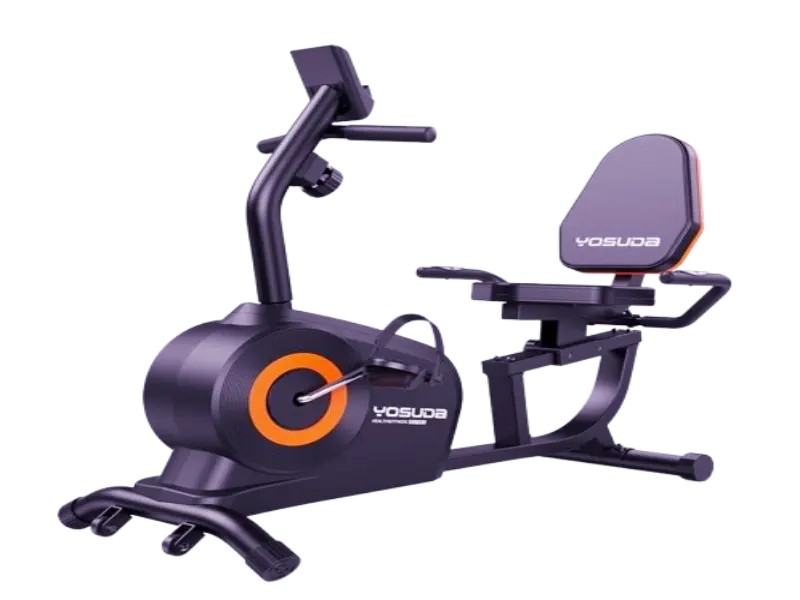
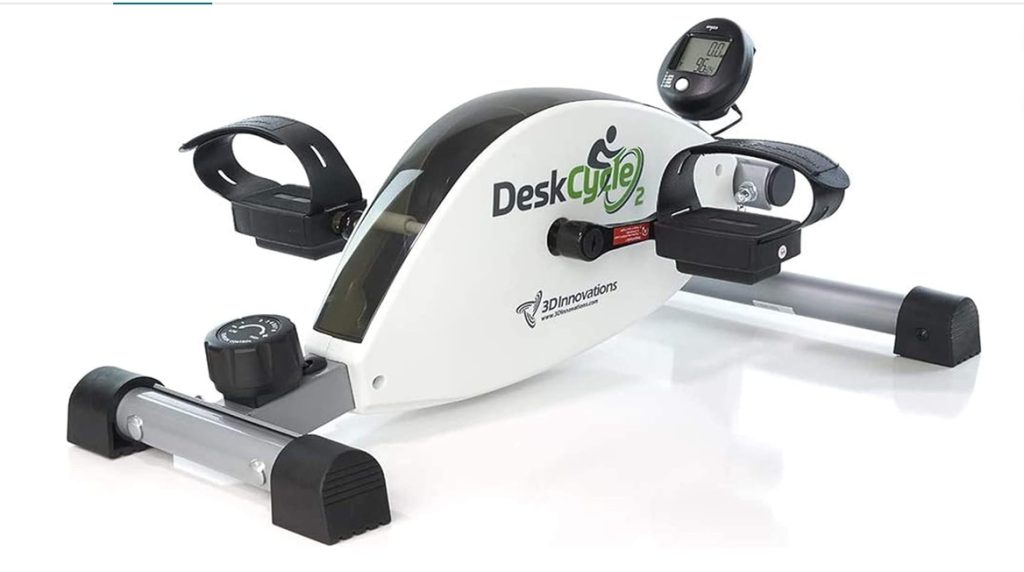
To help you make an informed decision, let’s look at a head-to-head comparison of how these two exercise machines perform in terms of safety, comfort, and usability for older adults.
| Features | Recumbent Bike | Under-Desk Cycle |
| Back Support | Excellent (Full lumbar support chair) | None (Depends on the chair you sit on) |
| Balance & Stability | High (Solid frame, safe mount/dismount) | Medium (Can slip if not placed properly) |
| Space Required | Large (Requires a dedicated floor area) | Very Compact (Fits under desks or beds) |
| Joint Strain | Extremely Low (Ergonomic leg position) | Low (Slightly higher knee flexion angle) |
| Portability | Low (Heavy, hard to move around) | High (Lightweight and easy to carry) |
| Ideal For | Full body balance issues & back pain | Multitasking while working or watching TV |
Safety Analysis: Recumbent Bike vs. Under-Desk Cycle for Older Adults
When it comes to safety for seniors, the design of the equipment matters significantly. Let’s analyze how both options stack up:
Lumbar Support and Posture
A recumbent bike wins easily in terms of spinal safety. The contoured bucket seat distributes your weight evenly and takes the pressure off your lower back. On the other hand, an under-desk cycle relies entirely on the chair you choose to use. If you use a soft couch or a chair without proper ergonomics, you might end up slouching, which causes back fatigue.
Related Reading: If you want to know how to maximize comfort while using a pedal trainer, check out our in-depth DeskCycle Review: Is It the Best Under-Desk Bike for Posture, Fitness and Diabetes Management? to see how a premium model performs.
Balance and Fall Prevention
For seniors with vertigo, severe arthritis, or balance issues, getting on and off exercise equipment can be a hazard. Recumbent bikes are step-through machines with sturdy handlebars to hold onto, making them incredibly stable. An under-desk cycle requires you to sit down first and then place your feet on the pedals on the floor. While there is no risk of falling off a bike, the unit itself can sometimes slide forward on slick floors if it doesn’t have a non-slip mat.
Also Check: If you decide that a full-sized stationary option is best for your safety needs, take a look at our curated list of the Top 5 Best Recumbent Bike Models Under $500: High-Quality Exercise at Home to find an affordable, stable model.
Pros and Cons for Seniors (Recumbent Bike vs. Under-Desk Cycle)
Recumbent Bike
- Pros: Complete back support, ideal for long workout sessions, highly stable frame, easy on the hips and knees.
- Cons: Takes up a lot of living space, more expensive investment.
Under-Desk Cycle
- Pros: Budget-friendly, extremely portable, lets you exercise while reading or working, saves space.
- Cons: No built-in back support, requires a proper chair to prevent knee strain.
Recumbent Bike vs. Under-Desk Cycle: Deep-Dive Comparison
To understand why one might be a better fit than the other, we need to look into daily usability factors that matter most to older adults.
1. Ease of Setup and Assembly
Seniors living alone often struggle with heavy boxes and complicated machinery tools.
- Recumbent Bike: These machines are usually delivered in large, heavy boxes. The assembly process involves attaching the seat, monitor, handlebars, and heavy flywheel base. It often requires two people or professional assistance to set up safely in a room.
- Under-Desk Cycle: These compact devices are almost ready to use out of the box. Most models only require you to screw on the front and back stabilizer legs and the pedals. It takes less than 15 minutes and can easily be done on a tabletop before placing it on the floor.
2. Space Management and Storage
Not everyone has a dedicated home gym room, and space optimization is highly crucial for preventing accidental trips and falls.
- Recumbent Bike: A standard recumbent bicycle occupies about 4 to 5 feet in length and 2 feet in width. Once placed, it is a permanent fixture in your living room or bedroom. Moving it requires tilting the machine onto transport wheels, which can cause strain for seniors with weak lifting strength.
- Under-Desk Cycle: This is a space-saving champion. When you are done exercising, you can simply use the carrying handle to slide it under a bed, inside a closet, or out of the hallway. It keeps your living space clear of clutter, drastically lowering the risk of tripping at night.
Health Benefits Specific to Older Adults
Both of these exercise machines do an incredible job of keeping you active, but they target senior health issues slightly differently.
Cardiovascular Health and Calorie Burn
Regular low-impact cardio is essential for heart health. A recumbent bike allows you to engage in high-intensity workouts safely because you can lean back and push harder against heavy resistance. An under-desk cycle provides a more casual, steady calorie burn. While you might burn fewer calories per minute on a pedal exerciser, you are likely to use it for longer periods while watching a movie or working, leading to a high cumulative calorie expenditure.
Managing Diabetes and Blood Circulation
For seniors managing diabetes, consistent post-meal exercise is vital for blood sugar control. Using an under-desk cycle for just 15 minutes right after lunch while sitting on your couch can significantly cut down insulin resistance and clear glucose from the bloodstream. Additionally, the continuous pedaling movement stimulates the calf muscles, which acts as a secondary heart pump to push blood back up to the upper body, reducing dangerous fluid retention and numbness in the feet.
Medical Reference: According to guidelines from the American Diabetes Association, engaging in short bursts of light activity after meals is highly effective for postprandial glucose management in older adults.
5 Practical Tips for Seniors Using Pedaling Machines Safely
Regardless of your choice in the recumbent bike vs. under-desk cycle debate, safety should always remain your top priority. Follow these five guidelines to maximize your workout health rewards:
- Always Wear Proper Athletic Shoes: Never pedal barefoot or in loose slippers. Wear supportive sneakers with a good rubber grip to prevent your feet from slipping off the pedals and straining an ankle.
- Use a Non-Slip Mat: If you choose a floor-based under-desk pedal machine, place a rubberized non-slip mat underneath the device. This stops the unit from sliding forward away from you while you pedal.
- Adjust the Resistance Gradually: Start your daily workout routine at the lowest resistance level for the first 5 minutes to warm up your muscles and joints before cranking up the tension.
- Keep Hydration Nearby: Always place a water bottle within arms’ reach. It is easy to get dehydrated during low-impact workouts because you might not notice how much you are sweating.
- Listen to Your Body’s Warnings: Low-impact exercise should feel challenging but never painful. If you experience sudden dizziness, shortness of breath, or sharp knee pain, stop pedaling immediately and rest.
Final Verdict: Which One Should You Choose?
If your primary concern is maximum safety, lower back pain relief, and superior stability, a Recumbent Bike is the absolute best choice for seniors. However, if you have limited space, want a budget-friendly option, and simply want to stay active while watching TV or typing at a desk, an Under-Desk Cycle is a fantastic and convenient alternative.
Health Advisory: As emphasized by experts at the Mayo Clinic, incorporating consistent, low-impact aerobic exercise into your daily routine is one of the most effective ways for older adults to maintain joint flexibility, protect bone density, and boost overall longevity safely at home.
Frequently Asked Questions (FAQs) of Recumbent Bike vs. Under-Desk Cycle
Both are great, but a recumbent bike is slightly better for severe knee arthritis. Its reclined position allows for a wider leg extension, which reduces the angle of knee flexion and minimizes joint friction compared to a compact under-desk pedal machine.
Yes, it can if used incorrectly. Since an under-desk cycle does not have its own seat, using it while sitting on a sagging couch or an unstable chair can cause poor posture and strain your lower back. Always use a straight-backed, supportive chair.
A recumbent bike is much safer for seniors with balance challenges. It features a low center of gravity, a stable frame, and secure handlebars to grip while mounting or dismounting, eliminating the risk of tipping over.
Absolutely! Both options provide excellent aerobic activity that helps muscles absorb glucose, lower blood sugar levels, and improve cardiovascular circulation when used consistently for 20–30 minutes a day.