
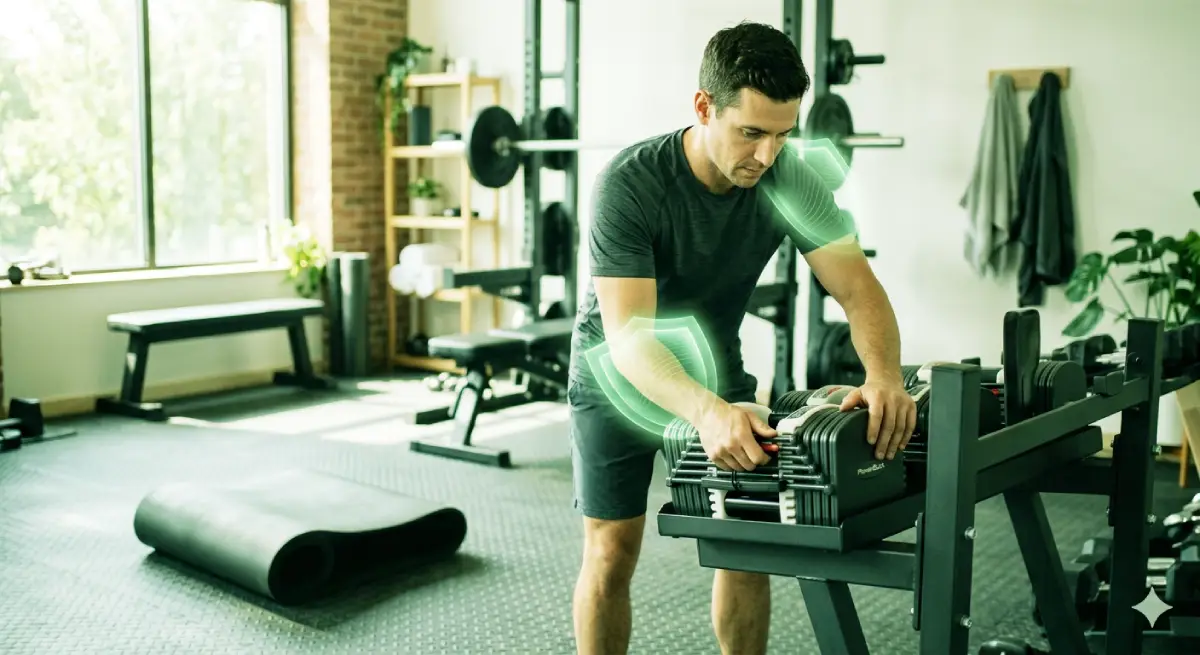
Building a powerful and healthy body from the comfort of your living room is an incredible fitness milestone. Home workouts offer unmatched convenience, privacy, and flexibility for your daily routine. However, lifting weights without proper guidance can sometimes lead to unexpected physical discomfort. If you want to maximize your fitness gains safely, learning how to prevent joint pain during home strength training is the most crucial step for your long-term success. Protecting your knees, elbows, and shoulders ensures that you stay consistent and injury-free.
Many fitness enthusiasts eagerly jump into heavy lifting sessions without realizing the stress they place on their connective tissues. Joint discomfort often signals that your body is struggling with poor biomechanics or excessive load. Fortunately, you can easily safeguard your skeletal system by implementing a few strategic adjustments to your workout routine. This comprehensive guide provides actionable, expert-approved strategies to keep your joints healthy while building lean muscle mass at home.
Understanding the Root Causes of Workout Joint Discomfort
Before you can fix physical discomfort, you must understand why your joints ache after a home workout. Muscle soreness is a completely normal response to resistance training, but sharp or persistent joint pain indicates a problem. In most cases, home lifters experience joint stress due to rapid weight progression or improper exercise execution. Additionally, training on hard surfaces without adequate cushioning increases the impact on your lower body joints.
Your joints rely on cartilage, ligaments, and synovial fluid to absorb shock and move smoothly. When you overload a joint too quickly, these protective components suffer from microscopic wear and tear. Consequently, inflammation develops, leading to stiffness and chronic pain. By identifying these negative triggers early, you can modify your training environment and technique to ensure a completely safe workout experience. If you want to build a safer home setup with stable, high-quality gear, you can check out our expert recommendations in the Dumbbell Set with Rack: 5 Top Picks & Comprehensive Buyer’s Guide.
Essential Strategies to Prevent Joint Pain During Home Training

1. Prioritize a Dynamic Warm-Up Routine
Skipping a warm-up is the fastest way to irritate your joints during resistance exercises. Cold muscles and stiff joints cannot handle sudden resistance effectively. Therefore, spending a few minutes on preparation is essential to discover how to prevent joint pain during home strength training. You must spend at least five to ten minutes preparing your body before touching any weights. Focus on dynamic movements like arm circles, body weight squats, and torso twists to increase your core body temperature. Furthermore, this practice stimulates the production of synovial fluid, which acts as a natural lubricant for your cartilage.
2. Perfect Your Exercise Form and Biomechanics
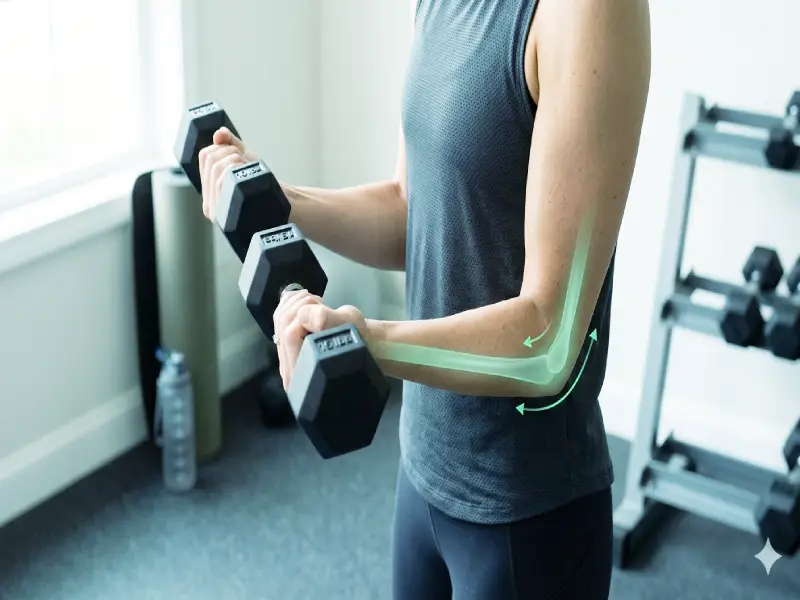
Using proper form is far more important than lifting the heaviest weights available in your home gym. Poor alignment forces your joints to bear the weight instead of your muscles. Therefore, focusing on correct posture is vital to prevent joint pain home training safely. For example, when performing bicep curls with your [Dumbbell Set with Rack], keeping your elbows locked tightly against your torso prevents unnecessary shoulder strain. Always execute each repetition slowly and maintain full control over the weight during both the lifting and lowering phases.
3. Use Supporting Equipment and Shock Absorption
The flooring of your home workout space directly impacts your joint health. Hardwood or concrete floors offer zero shock absorption, which severely stresses your ankles and knees during standing exercises. In addition to wearing supportive footwear, you should invest in quality fitness mats or stabilization tools. Utilizing a dedicated balance surface, such as the tools mentioned in our guide on the Best Wobble Boards for Diabetic Home Therapy, can significantly strengthen the stabilizing muscles around your lower joints.
Joint Stress Comparison: Different Home Exercises
To plan a safe routine, you must understand how different exercises impact your structural system. Moreover, balancing high-impact movements with low-impact alternatives keeps your fitness journey sustainable. The table below compares common home exercises, their joint stress levels, and the primary joints at risk.
Home Exercise Impact Analysis
| Exercise Type | Primary Target Muscles | Joint Stress Level | Highest Risk Area | Safety Modification |
| Heavy Dumbbell Squats | Quadriceps & Glutes | Moderate to High | Knees & Lower Back | Reduce depth or use a chair for support |
| Push-Ups | Chest & Triceps | Moderate | Wrists & Shoulders | Perform incline push-ups on a bench |
| Overhead Shoulder Press | Deltoids | High | Rotator Cuff | Perform the exercise while seated |
| Resistance Band Rows | Upper Back & Biceps | Low | Elbows | Maintain a slight bend in your joints |
| Bodyweight Lunges | Glutes & Hamstrings | Moderate | Knees | Keep front knee behind your toes |
How to Progress Weights Safely and Prevent Joint Pain During Home
Many home lifters fall into the trap of lifting too much weight too soon. As a result, their muscles might survive the workout, but their tendons and ligaments suffer severe strain. To avoid these lifting injuries, you can balance your strength routine with low-impact cardiovascular exercises. If you want a safe and highly effective full-body workout that protects your skeletal system, you should check out our comprehensive guide on the Best Magnetic Rowing Machines 2026: Top 5 Home Picks for Safety and Durability.
To prevent this issue, apply the principle of progressive overload gradually. Increase your workout intensity by adding more repetitions or reducing rest times before you reach for heavier dumbbells.
Furthermore, listen intently to the biofeedback your body provides during and after a training session. If a specific movement causes a sharp, sudden twinge in your elbow or knee, stop the exercise immediately. Replace that movement with a joint-friendly alternative until your strength improves. Remember, consistent training with moderate weights yields far better long-term results than sporadic workouts interrupted by painful joint injuries.
The Critical Role of Recovery and Nutrition
Joint health depends heavily on what you do outside of your workout room. Muscles heal relatively quickly because they receive a rich supply of oxygenated blood. In contrast, tendons and ligaments have a limited blood supply, meaning they require more time to recover from heavy stress. Consequently, you must schedule at least one or two full rest days every week to allow these tissues to rebuild successfully.
Additionally, proper nutrition plays a massive role in reducing systemic inflammation. Drink plenty of water throughout the day to keep your joint cartilage fully hydrated. Incorporate anti-inflammatory foods into your diet, such as omega-3 rich fish, leafy greens, and nuts. For formal medical advice on managing joint inflammation through proper lifestyle adjustments, you can read the official Arthritis Foundation Exercise Guidelines.
FAQs: How to Prevent Joint Pain During Home Workouts Cause?
Ans. Occasional popping or clicking sounds without any accompanying pain are generally harmless. However, if the popping sound causes sharp pain or swelling, you should stop training immediately and consult a doctor, as this indicates cartilage friction.
Ans. You should never lift weights through active joint pain. If your knees hurt, switch to upper-body exercises or low-impact movements that do not load the knee joints directly until the discomfort completely disappears.
Ans. Resistance bands provide variable resistance, meaning the tension increases only as the band stretches. Therefore, bands place significantly less stress on your joints at the beginning of a movement compared to heavy iron dumbbells.
Ans. A highly effective warm-up should last between 5 and 10 minutes. It must include dynamic stretches that mimic the exercises you plan to perform, which prepares your circulatory system for the upcoming physical workload.
Ans. Yes, proper hydration is essential for your joints. Cartilage consists of a high percentage of water, so staying hydrated directly maintains the thickness and cushioning properties of your joint fluid.
Final Thoughts:
how to prevent joint pain during home strength training
Learning how to prevent joint pain during home strength training allows you to build a sustainable fitness routine that lasts for decades. Never sacrifice your long-term physical health for short-term muscle gains. By prioritizing a dynamic warm-up, perfecting your exercise technique, and respecting your body’s recovery needs, you achieve the perfect balance between muscle growth and skeletal safety. Focus on smart training today, and enjoy the countless health benefits of a pain-free, active lifestyle! For additional evidence-based strategies on physical activity and chronic condition management, you can explore the official CDC Physical Activity Guidelines.