

Choosing the right exercise bike can be challenging for older adults with diabetes. A foldable exercise bike vs standard recumbent bike comparison can help you decide which option better fits your home, mobility, comfort, and exercise needs.
Both types of stationary bikes can provide low-impact aerobic activity without the repeated impact associated with many weight-bearing exercises. However, they are designed differently. Foldable bikes are usually more compact and easier to store, while standard recumbent bikes generally provide more back support and a wider, more stable base.
For seniors with diabetes, the best choice depends on factors such as balance, joint comfort, available space, foot health, and personal fitness goals.
The American Diabetes Association recommends regular physical activity as an important part of diabetes management.
Important: Exercise needs vary from person to person. If you have diabetic neuropathy, foot ulcers, significant balance problems, heart disease, or take medications that can cause low blood sugar, talk with your healthcare professional before starting a new exercise routine.
Quick Comparison: Foldable Exercise Bike vs Standard Recumbent Bike
| Feature | Foldable Exercise Bike | Standard Recumbent Bike |
|---|---|---|
| Main advantage | Compact storage and portability | Comfort and stability |
| Space required | Small to moderate | Larger permanent space |
| Storage | Usually folds for storage | Usually stays assembled |
| Seat support | Basic to moderate | Extensive back support |
| Stability | Moderate to good, depending on model | Generally very good |
| Portability | Easier to move | Usually heavier |
| Best for | Small homes and flexible storage | Comfort, stability, and extra support |
| Typical cost | Often more affordable | Often more expensive |
What Is a Foldable Exercise Bike?
A foldable exercise bike is a compact stationary bike designed to take up less space when stored. Many models use a folding frame that allows the bike to be moved into a corner or storage area after exercise.
For seniors who live in a small home or apartment, this can be a major advantage.
If you’re looking for specific models, check out our guide to 5 Best Foldable Exercise Bikes for Diabetic Seniors: Tested & Reviewed
Benefits of a Foldable Exercise Bike for Seniors With Diabetes
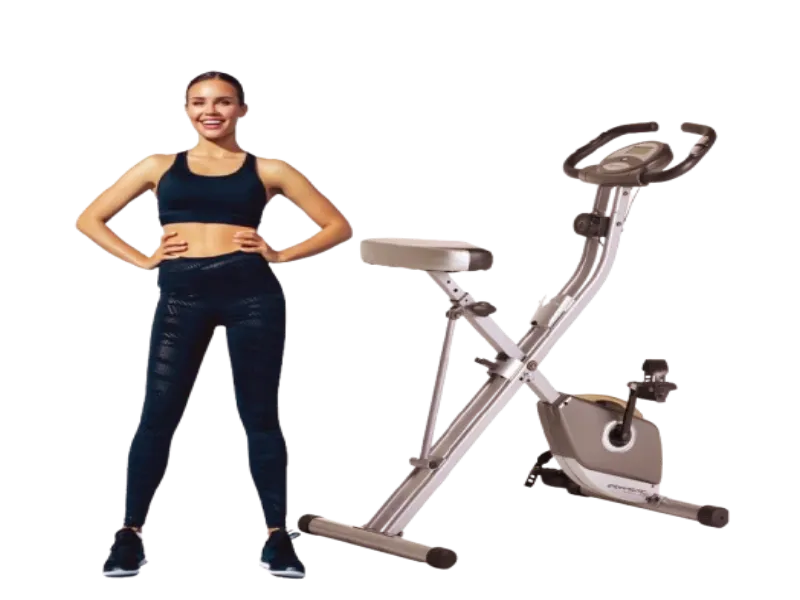
Space-saving design:
A folding frame can make it easier to store the bike when it is not being used.
Easier to move:
Many models include transport wheels. However, the actual weight and portability vary between models, so check the manufacturer’s specifications before buying.
Often more affordable:
Basic foldable bikes are often less expensive than many full-size recumbent bikes, although prices vary by brand and features.
Low-impact exercise:
Cycling can provide aerobic activity without the repeated impact associated with activities such as jogging.
Limitations of Foldable Exercise Bikes
The main limitation is that compact design can sometimes mean less seating and back support than a full-size recumbent bike.
Some models may also have a narrower base or lighter frame. This may matter if you have significant balance problems or difficulty getting on and off exercise equipment.
Always check the manufacturer’s weight capacity, frame dimensions, seat height, and stability before buying.0
What Is a Standard Recumbent Bike?
A standard recumbent bike is a larger stationary exercise bike that places the rider in a more reclined position. The pedals are positioned in front of the body, and the seat usually includes a wide backrest.
Mayo Clinic also recommends regular physical activity as an important part of diabetes management, including activities such as walking and biking.
This design can be especially appealing to older adults who prioritize comfort and stability.
Benefits of a Standard Recumbent Bike for Seniors With Diabetes
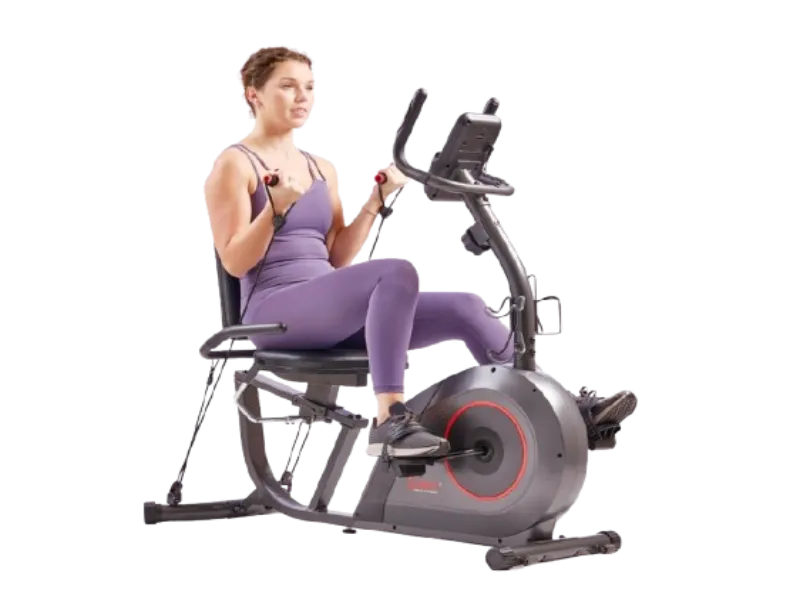
Excellent back support:
The larger seat and backrest can provide more support than many compact folding bikes.
Stable frame:
Full-size recumbent bikes generally have a heavier frame and wider base, which can make them feel more stable during exercise.
Comfortable seating position:
The reclined position may be more comfortable for some people with certain back, hip, or knee problems.
Easy access:
Many recumbent bikes have an open or step-through frame that can make mounting and dismounting easier.
If you prefer walking as part of your exercise routine, you can also read our guide to 5 Best Treadmills Under $500 for Diabetes Management and Seniors.
Limitations of Standard Recumbent Bikes
The biggest disadvantage is space.
A standard recumbent bike usually requires a permanent location in your home. It can also be heavier and more difficult to move.
In addition, higher-end models can cost considerably more than basic folding exercise bikes.
Foldable Exercise Bike vs Standard Recumbent Bike: Key Differences

Now let’s look at the factors that matter most to seniors with diabetes.
1. Blood Sugar Management and Exercise
Both types of stationary bikes can provide aerobic exercise. Regular physical activity can help muscles use glucose for energy and improve insulin sensitivity.
The American Diabetes Association explains that physical activity can increase insulin sensitivity and help muscle cells take up glucose. However, the effect of exercise on blood glucose varies depending on factors such as the duration and intensity of activity and the individual’s health and medications.
This means you should not choose a bike simply because one type is advertised as being better for blood sugar control.
Instead, choose the bike that you can use comfortably, consistently, and safely.
If you are new to exercise, start gradually and follow your healthcare professional’s recommendations.
2. Diabetic Neuropathy and Foot Safety
Diabetic peripheral neuropathy can reduce sensation in the feet. This can make foot protection and equipment safety especially important.
The American Diabetes Association lists cycling among low-impact activities that may be appropriate for some people with peripheral neuropathy, while also emphasizing appropriate footwear and daily foot checks.
Before using a stationary bike, check that:
- Your feet fit comfortably on the pedals.
- The pedals provide adequate grip.
- Any straps can be adjusted securely.
- The seat is at a comfortable height.
- You can get on and off the bike safely.
- You do not have an active foot ulcer or other foot problem that could make exercise unsafe.
If you have significant numbness, an active foot ulcer, severe balance problems, or another diabetes-related complication, ask your healthcare professional which activities are appropriate for you.
The ADA also recommends checking diabetic feet regularly for sores, cuts, blisters, redness, and other changes.
3. Knee and Joint Comfort
If you experience knee stiffness or certain joint problems, both types of exercise bikes may provide a lower-impact alternative to activities that involve repeated impact.
However, a standard recumbent bike may feel more comfortable because your back is supported by a larger seat and the pedals are positioned in front of you.
A foldable bike may still be comfortable for many people, but the riding position and amount of back support vary considerably by model.
The best option is the one that allows you to exercise without causing pain or discomfort.
4. Balance and Stability
Stability is particularly important for older adults.
A standard recumbent bike generally has a heavier frame and wider base. This can make it feel more secure during exercise.
Foldable bikes vary more widely. Some have stable frames, while lightweight models may feel less secure.
If you have balance concerns, pay close attention to:
- Frame width
- Bike weight
- Seat height
- Ease of mounting
- Ease of dismounting
- Handlebar position
- Manufacturer’s weight capacity
If getting on and off the equipment feels unsafe, ask someone to assist you or consider a different exercise option.
5. Space and Storage
This is where foldable bikes have a clear advantage.
If you live in a small apartment or have limited workout space, a folding bike can be stored after each session.
A standard recumbent bike usually needs a permanent location because of its larger footprint.
Therefore:
Choose a foldable bike if space is your main concern.
Choose a standard recumbent bike if comfort and stability are more important than storage space.
6. Cost and Value
Price varies significantly between brands and models.
In general, basic foldable exercise bikes tend to be less expensive than many full-size recumbent bikes. However, a higher-priced folding model can sometimes cost more than a basic recumbent bike.
Instead of choosing based only on price, compare:
- Weight capacity
- Seat comfort
- Back support
- Resistance levels
- Frame stability
- Pedal design
- Warranty
- Adjustability
- Storage requirements
A slightly more expensive bike may provide better long-term value if you are more likely to use it consistently.
Which Exercise Bike Is Better for Seniors With Diabetes?
There is no single answer that works for every senior with diabetes.
Your best choice depends on your personal needs.
Choose a Foldable Exercise Bike If:
- You have limited space at home.
- You want to store the bike after exercising.
- Portability is important.
- You prefer a more compact machine.
- You want to consider a lower-cost option.
- You can safely get on and off the bike.
Choose a Standard Recumbent Bike If:
- Comfort is your highest priority.
- You want more back and lumbar support.
- You have difficulty maintaining balance.
- You prefer a heavier and more stable frame.
- You have enough space for a permanent exercise machine.
- Getting on and off a step-through frame is easier for you.
A Personal Note From a Long-Time Diabetes Patient
I have been living with diabetes for more than 20 years. Over the years, I have learned that staying active can be an important part of managing everyday life with diabetes.
As part of my own daily routine, I usually walk for around 35–40 minutes after Maghrib.
That is what works for me, but I do not consider my routine a prescription for everyone. People with diabetes have different health conditions, medications, fitness levels, and exercise needs.
My goal with DiabeticStep is to share my experience while also encouraging readers to make decisions based on reliable information and advice from their own healthcare professionals.
Safety Tips for Seniors With Diabetes
Before using a foldable or recumbent exercise bike, keep these practical tips in mind:
- Start slowly. If you are new to exercise, begin with a comfortable level of activity and increase gradually.
- Check your feet. Look for redness, blisters, cuts, swelling, or other changes, especially if you have reduced sensation.
- Wear appropriate footwear. Comfortable, properly fitting shoes can help protect your feet during exercise.
- Stay hydrated. Drink enough fluids according to your healthcare provider’s recommendations.
- Monitor your blood glucose when appropriate. If you use insulin or medications that can cause low blood sugar, ask your healthcare professional when and how you should check your glucose around exercise. Some diabetes medications can increase the risk of hypoglycemia during physical activity.
- Stop if something feels wrong. Pain, dizziness, unusual shortness of breath, or other concerning symptoms should not be ignored.
- Use assistance if needed. If you have difficulty with balance, ask someone to help you get on and off the equipment.
Frequently Asked Questions
Is a foldable exercise bike good for seniors with diabetes?
A foldable exercise bike can be a convenient low-impact exercise option for some seniors with diabetes. Its compact design is particularly useful in smaller homes. However, the right choice depends on your balance, mobility, foot health, comfort, and overall medical condition.
Is a recumbent bike better for diabetic neuropathy?
A recumbent bike may provide greater seating stability and back support, which can be helpful for some people with mobility or balance concerns. However, diabetic neuropathy varies in severity. People with significant numbness, foot ulcers, or other complications should discuss exercise options with their healthcare professional.
The American Diabetes Association recommends appropriate footwear and daily foot checks for people with peripheral neuropathy.
Can cycling help with blood sugar management?
Yes, regular physical activity such as cycling can help muscles use glucose and can improve insulin sensitivity. However, the effect varies from person to person. Exercise should be part of an overall diabetes management plan rather than a replacement for prescribed treatment.
Which bike is better for a small apartment?
A foldable exercise bike is usually the more practical choice for a small apartment because it can be folded and stored when not in use.
Which bike is more comfortable for seniors?
A standard recumbent bike is often more comfortable for people who prioritize back support and a larger seat. However, comfort depends on the individual and the specific model.
Final Verdict: Foldable or Recumbent?
When comparing a foldable exercise bike vs standard recumbent bike, neither option is automatically better for every senior with diabetes.
A foldable exercise bike is a strong choice if you have limited space, want easier storage, and prefer a compact machine.
A standard recumbent bike may be a better choice if you prioritize stability, back support, comfortable seating, and easier access.
The most important factor is not which bike looks better on paper. It is choosing equipment that you can use comfortably, safely, and consistently.
If you have diabetes-related complications, particularly neuropathy, foot problems, significant balance difficulties, or other medical concerns, discuss your exercise plans with your healthcare professional before starting a new routine.
If you’re interested in compact exercise equipment, you can also read our guide to 5 Best Foldable Exercise Bikes for Diabetic Seniors.
Medical Disclaimer
The information provided on DiabeticStep is for general educational purposes only. It is not intended to diagnose, treat, cure, or prevent any disease and should not replace professional medical advice. Always consult your doctor or qualified healthcare professional regarding your individual health, medications, exercise routine, and treatment decisions.
Affiliate Disclosure
Some links on DiabeticStep may be affiliate links. If you purchase a product through one of these links, we may receive a small commission at no additional cost to you. This helps support the website and allows us to continue publishing useful content.