
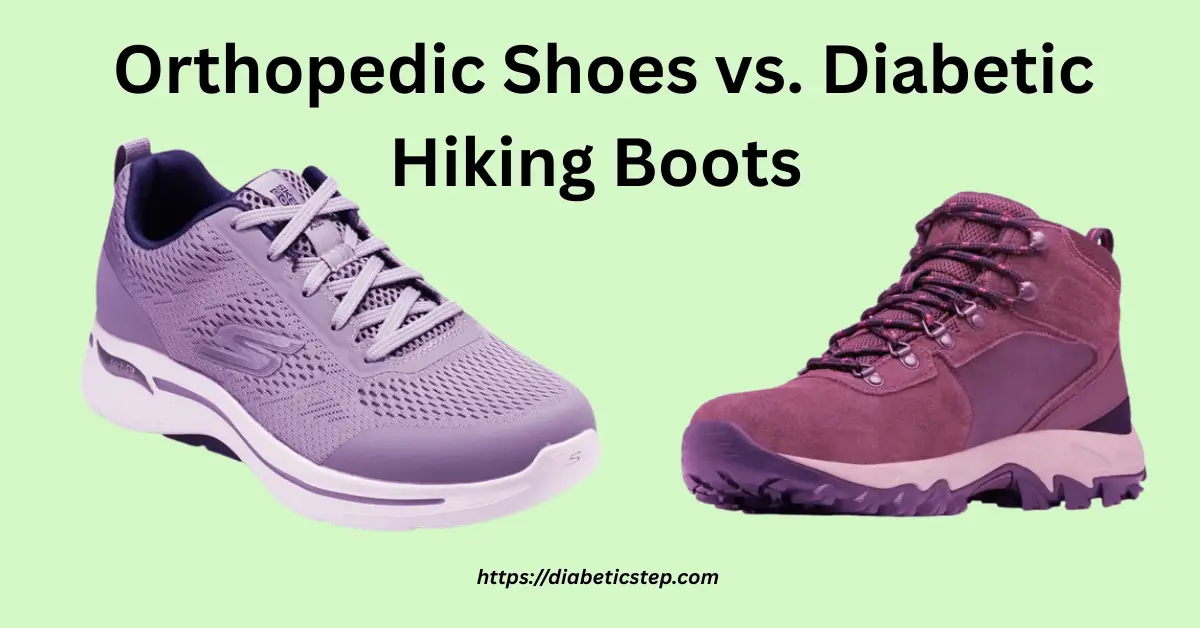
When comparing orthopedic shoes vs. diabetic hiking boots, choosing the right footwear for your daily exercise routine can feel surprisingly overwhelming. If you live with diabetes, peripheral neuropathy, or persistent joint pain, a standard pair of sneakers simply will not offer the protection your feet require. Your feet need specialized support, shock absorption, and protection against friction to keep you safe and active.
However, many fitness enthusiasts wonder whether they should invest in lightweight orthopedic walking shoes or heavy-duty diabetic hiking boots. While both options prioritize foot health, they serve very different physical environments and exercise intensity levels.
In this comprehensive guide, we will break down the fundamental differences between orthopedic exercise shoes and diabetic hiking boots. By the end of this comparison, you will know exactly which pair fits your lifestyle, terrain, and therapeutic needs.
Quick Comparison: Orthopedic Shoes vs. Diabetic Hiking Boots
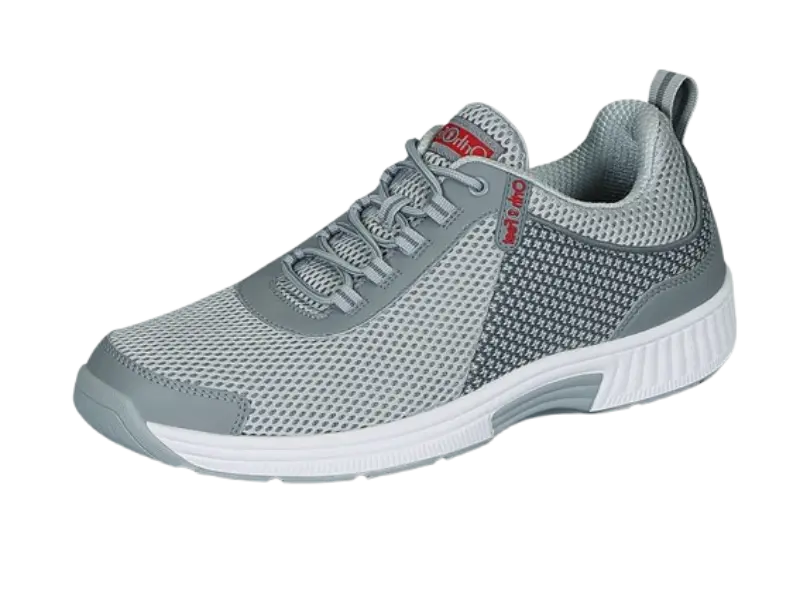
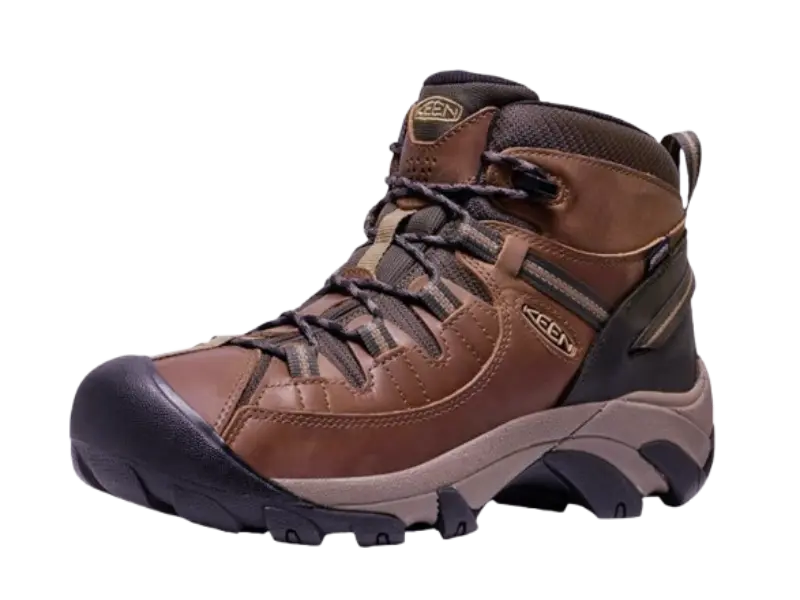
To give you a quick overview, here is a breakdown of how these two types of specialized footwear compare across key performance features:
| Feature | Orthopedic Exercise Shoes | Diabetic Hiking Boots |
| Primary Purpose | Daily walking, gym workouts, indoor cardio | Outdoor trekking, rough trails, uneven terrain |
| Ankle Support | Low-cut (allows full ankle flexibility) | High-top (provides rigid ankle stabilization) |
| Outsole Traction | Smooth to moderate grip for flat pavement | Deep, aggressive lugs for rocks, mud, and gravel |
| Upper Material | Breathable mesh, synthetic fabric | Heavy-duty waterproof leather or reinforced nylon |
| Interior Cushioning | High impact absorption, soft foam lining | Seamless, friction-free protective lining |
| Toe Box Space | Wide, but flexible | Extra-wide and reinforced to protect against rocks |
| Average Weight | Very lightweight and flexible | Substantially heavier due to protective armor |
What Are Orthopedic Exercise Shoes?
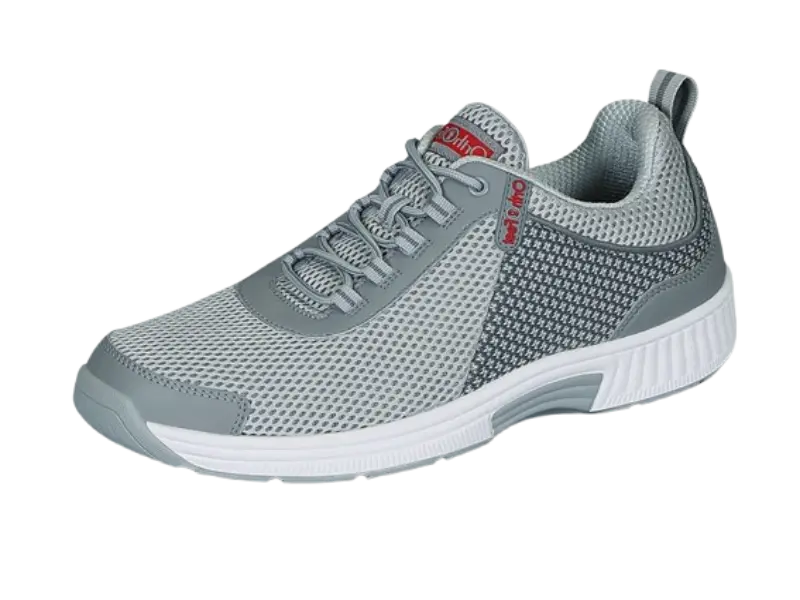
Orthopedic exercise shoes are biomechanically engineered sneakers designed to alleviate strain on your feet, knees, and lower back. They are specifically crafted to support proper body alignment and reduce pressure on sensitive areas like your heels and arches.
Unlike standard running sneakers, orthopedic shoes feature extra depth to accommodate custom orthotics. Furthermore, they incorporate firm heel counters and cushioned midsoles to absorb ground shock effectively during repetitive indoor or pavement workouts. If you are looking for specific top-rated pairs, explore our detailed guide on the Best Orthopedic Shoes for Exercise & Pain-Free Workouts.
Key Features & Benefits
- Advanced Arch Support: Helps distribute your body weight evenly across your feet, preventing arch collapse.
- Shock Absorption: Midsoles made with EVA or specialized air gel cushion every step on hard surfaces.
- Flexible Upper Mesh: Keeps your feet cool and prevents sweat buildup during intense gym sessions.
- Plantar Fasciitis Relief: Reduces tension on the plantar fascia tissue beneath your heel.
Ideal Use Cases
Orthopedic shoes are ideal if your workout routine consists of neighborhood walks, treadmill sessions, elliptical training, or indoor aerobics. In addition, they work wonderfully if you need daily comfort without extra boot weight.
What Are Diabetic Hiking Boots?
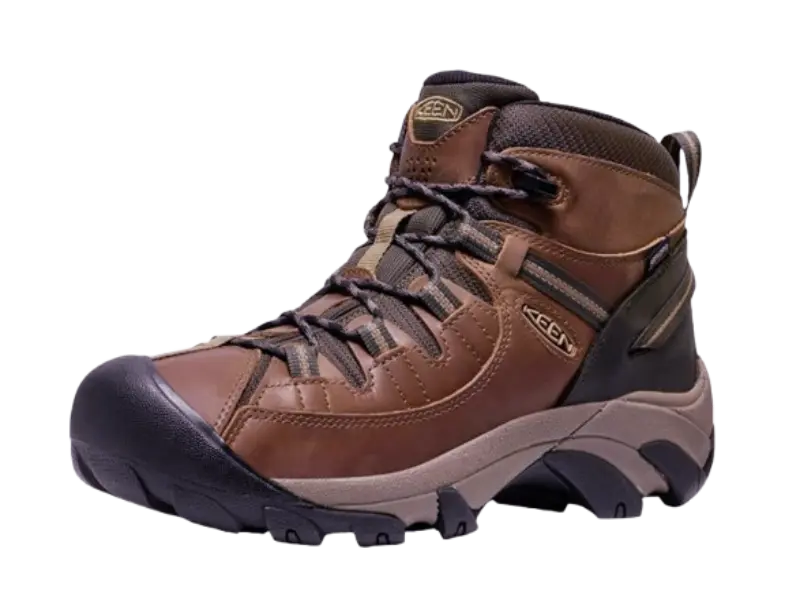
Diabetic hiking boots are rugged, protective footwear designed for outdoor enthusiasts who need extra protection against trail hazards. For individuals with diabetes, a minor scratch, blister, or stubbed toe on a remote trail can quickly lead to severe complications due to poor circulation or neuropathy.
Therefore, diabetic hiking boots are built like protective armor. They feature a completely seamless interior lining to eliminate rubbing, a rigid sole to prevent sharp rocks from pressing into your foot, and an extra-wide toe box that allows your toes to wiggle freely. For our top recommended footwear for outdoor activities, check out our full review of the Best Hiking Boots for Diabetics: Safe Trails & Happy Feet.
Key Features & Benefits
- Seamless Interior Lining: Eliminates rough stitching that could cause blisters or skin tears.
- High-Top Ankle Guard: Prevents ankle rolls and twists when stepping on loose gravel or tree roots.
- Rock-Solid Sole Protection: Hard rubber outsoles with deep treads prevent punctures and offer maximum traction.
- Protective Toe Caps: Reinforced front bumpers protect your toes from accidental bumps against rocks.
Ideal Use Cases
Diabetic hiking boots are essential if you enjoy outdoor adventures, nature walks, hiking trails, or walking on gravel and unpaved roads. Furthermore, they are crucial if you suffer from severe diabetic neuropathy and need maximum foot protection outdoors.
Quick Comparison: Orthopedic Shoes vs. Diabetic Hiking Boots for Exercise
To help you resolve the orthopedic shoes vs. diabetic hiking boots debate, let us look at how they perform in critical real-world conditions.
1. Arch Support and Cushioning
Both types of footwear excel in arch support, but they deliver cushioning differently. Orthopedic exercise shoes feature plush, springy cushioning designed to absorb shock from hard concrete or asphalt—whether you are working out during the day or following the best time of day for diabetics to exercise (morning vs. evening). On the other hand, diabetic hiking boots feature firmer, more rigid midsoles designed to stabilize your foot on uneven terrain.
2. Ankle Protection and Stability
If you suffer from weak ankles or balance issues, diabetic hiking boots offer superior protection. Their high-top design wraps firmly around your ankle, holding it in place. Conversely, orthopedic exercise shoes feature a low-cut design, which allows greater freedom of movement for light gym exercises but offers less lateral ankle support.
3. Breathability vs. Weather Protection
Orthopedic exercise shoes feature lightweight, breathable mesh materials that keep your feet dry from sweat. However, they are generally not waterproof. In contrast, diabetic hiking boots feature waterproof membranes and thick leather to protect your feet from mud, rain, and cold weather, though they can feel warmer on hot summer days.
4. Weight and Overall Mobility
Weight plays a significant role in exercise fatigue. Orthopedic exercise shoes are lightweight, making them easy to wear for long walking sessions or gym visits. Conversely, diabetic hiking boots are heavier due to their rugged soles and protective materials, which can tire your legs faster if you only walk on flat city pavements. To better understand how heavy footwear impacts energy expenditure, check out the Healthline Guide on Heavy Shoes and Walking Fatigue.
Pros and Cons: Orthopedic Shoes vs Diabetic Hiking Boots
Orthopedic Exercise Shoes
Pros:
- Extremely lightweight and comfortable for daily wear.
- Breathable fabrics prevent foot overheating.
- Excellent shock absorption for hard pavement and gym floors.
- Easy to slip on and off quickly.
Cons:
- Lacks high-top ankle protection for rough trails.
- Outsoles can wear down faster on rough gravel.
Diabetic Hiking Boots
Pros:
- Maximum protection against blisters, sharp rocks, and trail hazards.
- Superior ankle stability on uneven or slippery ground.
- Seamless interior design specifically safe for diabetic feet.
- Waterproof and durable for harsh outdoor environments.
Cons:
- Heavier than traditional athletic sneakers.
- Can feel overly rigid for simple indoor or treadmill workouts.
How to Choose: Orthopedic Shoes vs. Diabetic Hiking Boots
Selecting the right pair comes down to analyzing your primary exercise environment and your specific medical needs:
- Choose Orthopedic Exercise Shoes if: You primarily walk in your neighborhood, use a treadmill at the gym, perform low-impact aerobics, or want a lightweight shoe for everyday errands.
- Choose Diabetic Hiking Boots if: You enjoy nature hikes, walk on dirt roads, gravel paths, or uneven terrain, and need total protection against blisters, injuries, and ankle sprains.
- Consider Both if: You are an active individual who walks in the neighborhood during weekdays and hits nature trails on weekends!
Frequently Asked Questions (FAQs)
Yes, you can wear diabetic hiking boots for everyday walking. However, they are significantly heavier than regular walking shoes, which may cause unnecessary leg fatigue if you are only walking on flat city sidewalks or treadmills.
Absolutely. Many high-quality orthopedic shoes feature deep toe boxes and cushioned insoles that are completely safe for diabetic feet. However, always ensure the interior stitching is soft and non-irritating to prevent skin friction.
Yes, specialized diabetic hiking boots are highly recommended for outdoor trails. Standard shoes can allow sharp rocks to press against your soles, and loose debris can cause unnoticed blisters or cuts, which can lead to severe diabetic foot ulcers.
Generally, you should replace orthopedic walking shoes every 300 to 500 miles, or roughly every 6 to 8 months with regular use. Diabetic hiking boots last longer—usually 500 to 800 miles—due to their heavy-duty rubber outsoles and thick leather construction.
Final Verdict of orthopedic shoes vs diabetic hiking boots.
Both orthopedic exercise shoes and diabetic hiking boots play essential roles in keeping you active, healthy, and pain-free.
If your exercise routine focuses on indoor workouts, pavement walking, and lightweight daily movement, a pair of supportive orthopedic shoes will keep your joints cushioned and comfortable. However, if your heart lies in exploring nature trails, outdoor walking, and rough terrain, investing in rugged diabetic hiking boots is the safest choice to protect your feet from injury.
Take care of your feet, choose the footwear that matches your exercise habits, and enjoy every step of your health journey! For more clinical guidelines on preventing foot complications while staying active, you can read the American Diabetes Association (ADA) Foot Care Guidelines.
1 thought on “Orthopedic Shoes vs. Diabetic Hiking Boots: Which Do You Need for Exercise?”