

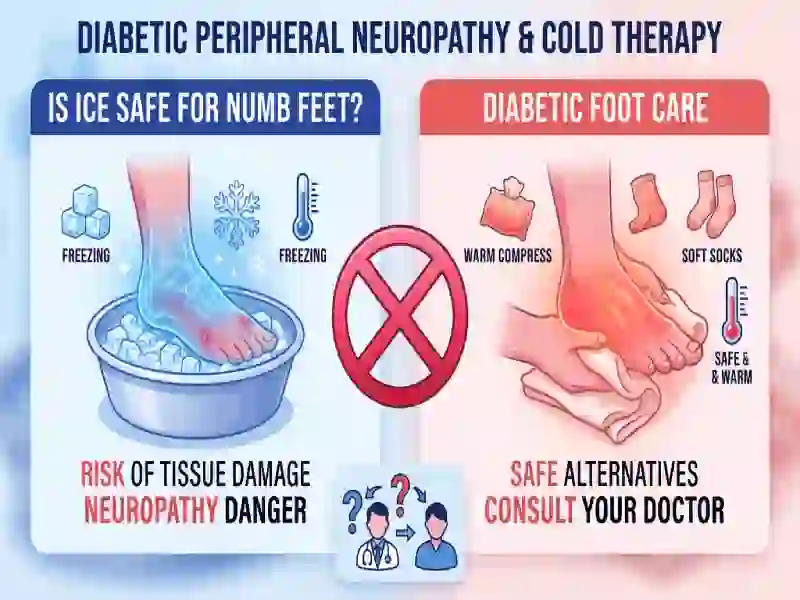
If you are wondering whether is ice safe for diabetic neuropathy, the quick answer is that applying direct ice to numb feet is extremely dangerous, though controlled cold therapy can be used safely under strict precautions.
Living with diabetic peripheral neuropathy often feels like balancing on a thin wire. On one hand, you might experience persistent burning sensations, deep joint aches, or post-exercise swelling in your lower limbs. On the other hand, the loss of nerve sensitivity makes your feet vulnerable to unseen injuries. When discomfort strikes after a long walk or daily activity, reaching for a quick ice pack seems like the most natural reaction. However, temperature regulation on nerve-damaged skin requires a completely different approach than standard athletic recovery.
In this comprehensive guide, we will explore the hidden physiological risks of conventional icing, how motorized continuous cooling differs from traditional ice bags, step-by-step safety rules for managing swollen diabetic feet, and how to safely incorporate cold therapy into your daily wellness regimen.
Understanding Diabetic Peripheral Neuropathy and Foot Sensitivity
Diabetic peripheral neuropathy (DPN) is a progressive nerve condition caused by prolonged high blood glucose levels. Over time, elevated blood sugar damages the delicate capillaries that feed your peripheral nerves, particularly those extending down into your legs, ankles, and feet.
As these nerves degenerate, they impair your body’s natural signaling mechanism in two distinct ways:
- Loss of Protective Sensation (LOPS): Your sensory nerves gradually lose the ability to detect pain, extreme temperatures, sharp pressure, or subtle skin trauma.
- Autonomic Dysfunction: The small autonomic nerves regulating sweat production and local microvascular blood flow become compromised, leading to abnormally dry, cracked skin and reduced thermal regulation.
When nerve sensitivity declines, your feet can no longer serve as an early warning system. What feels like a refreshing, mild cooling effect to someone with healthy nerves might actually be causing severe cellular damage to someone with reduced thermal awareness. For authoritative clinical guidelines on preventing nerve-related foot complications, consult the American Diabetes Association (ADA) Guide on Diabetic Foot Care.
The Hidden Danger: Why Direct Ice and Numb Feet Don’t Mix

The primary hazard of applying direct ice or frozen gel packs to numb feet is the complete absence of painful feedback. Pain is a vital physiological protection—it tells you when to pull your hand away from a hot stove or remove a freezing ice pack. Without this signal, severe tissue damage can occur without you even realizing it.
Progression of Cold Injury on Neuropathic Feet:
- Stage 1: High blood sugar causes nerve damage and numbing.
- Stage 2: Loss of thermal pain signals prevents feeling freezing temperatures.
- Stage 3: Direct ice application leads to sudden microvascular constriction.
- Stage 4: Unnoticed frostbite, cryogenic burns, and tissue starvation occur.
- Stage 5: Formation of non-healing diabetic foot ulcers and severe infection risk.
1. Silent Frostbite and Cryogenic Burns
When raw ice comes into direct contact with human skin, local tissue temperatures plummet rapidly below safe thresholds. In healthy individuals, intense stinging or numbing pain prompts immediate removal of the ice source. In diabetic patients with neuropathy, freezing temperatures destroy subcutaneous tissue layers, capillary walls, and surface skin without triggering any conscious pain warning. By the time the gel pack is removed, frostbite or deep cryogenic burns may have already set in.
2. Microvascular Vasoconstriction and Micro-Ischemia
Cold temperatures naturally cause blood vessels to constrict (vasoconstriction), which is useful for reducing acute swelling. However, diabetic patients already suffer from impaired lower-limb blood circulation. Excessive or uncontrolled cold exposure further starves the surrounding tissue of oxygenated blood and essential nutrients. This temporary localized starvation (ischemia) can accelerate skin breakdown and lead to tissue necrosis.
3. Risk of Non-Healing Diabetic Ulcers
A frostbite blister or localized cold burn on a diabetic foot is not a minor inconvenience—it is a medical emergency. Due to compromised circulation and slower immune response, minor skin damage can rapidly turn into an open, non-healing foot ulcer. Diabetic foot ulcers carry a high risk of bacterial infection and are one of the leading causes of lower-limb hospitalizations and amputations.
Traditional Ice Packs vs. Motorized Cold Therapy Systems
If conventional ice bags are too unpredictable, how can diabetic patients safely manage joint pain and post-workout inflammation? The answer lies in the fundamental difference between uncontrolled thermal transfer and regulated circulating cold therapy.
Traditional ice packs operate at freezing or sub-zero temperatures (below 32°F / 0°C). As soon as they are applied, they deliver an intense, uneven spike of cold that drops rapidly as the pack thaws. Conversely, motorized cold therapy systems use an insulated bucket, a quiet motor pump, and circulating water pads to maintain a constant, pre-set temperature range (typically 45°F to 55°F / 7°C to 12°C).
Below is a detailed comparison of traditional icing versus motorized continuous cold therapy systems for diabetic foot care:
| Feature / Metric | Traditional Freezer Ice Packs | Motorized Cold Therapy Systems |
| Temperature Control | Unregulated, sub-freezing (below 32°F) | Regulated water circulation (45°F–55°F) |
| Thermal Distribution | Uneven, intense hot/cold spots | Continuous, uniform cooling pad surface |
| Safety Mechanisms | None (Relies entirely on pain feedback) | Integrated auto-timers & flow controls |
| Skin Trauma Risk | High (Frostbite, ice burn, tissue freeze) | Very Low (When paired with barrier sleeves) |
| Skin Contact | Direct or wrapped in household cloth | Specially designed protective barrier sleeves |
| Target Audience | Acute athletic injuries (Healthy nerves) | Post-op recovery & chronic inflammation |
For individuals seeking controlled, temperature-regulated cooling units to relieve swelling without risking extreme freezing, we reviewed the leading quiet and timer-enabled models on the market. For a complete breakdown of features and safety ratings, read our detailed Cold Rush Therapy System Review: Top 3 Picks for Diabetic Pain & Swelling Relief.
Safe Cold Therapy Rules for Diabetic Neuropathy (Step-by-Step)
If your podiatrist or physician clears you to use localized cold therapy for ankle swelling or joint stiffness, you must follow strict safety protocols. Adhering to these guidelines ensures you gain therapeutic benefits while eliminating the threat of silent tissue injury.
Step 1: Conduct a Thorough Pre-Therapy Foot Inspection
Never apply any hot or cold modalities without examining your feet first. Check your ankles, heels, soles, and between your toes for:
- Open sores, cracks, or minor cuts
- Existing blisters or red friction spots
- Signs of active infection (warmth, pus, or localized swelling)
If you spot any open wounds or compromised skin, skip the cold therapy entirely and contact your healthcare provider.
Step 2: Always Use a Dedicated Protective Barrier
Never place a cooling pad or pack directly onto bare skin. Always slip on a clean, dry protective barrier sleeve, a thick cotton sock, or a folded cloth towel between your skin and the cooling pad. This layer acts as a thermal buffer, ensuring gentle heat transfer rather than direct freezing.
Step 3: Strictly Enforce a 10-to-15 Minute Time Limit
Prolonged exposure to cold is where tissue breakdown occurs. Keep all therapy sessions under 15 minutes. If you are using a motorized unit, set an automatic shutdown timer or an external kitchen alarm so you never accidentally fall asleep with the machine running.
Step 4: Perform a Post-Session Visual Check
Once the session is complete, immediately remove the pad and barrier sleeve to inspect your skin under bright lighting. Your skin should return to its normal color within 5 to 10 minutes. If you notice persistent dark redness, pale white blotches, or blistering, consult your doctor right away.
Integrating Cold Therapy into an Active Diabetic Recovery Routine
Managing diabetes requires staying physically active through walking routines, low-impact cardio, or resistance exercise. However, exercise can sometimes leave lower limb joints inflamed or swollen. Combining safe cold therapy with other preventive care strategies allows you to remain active while safeguarding your feet.
1. Post-Exercise Recovery Protocol
When returning from daily walking sessions, elevate your legs on a pillow for 15 to 20 minutes before applying cooling. Combining mild leg elevation with regulated cold therapy accelerates lymphatic drainage and flushes excess fluid out of swollen ankles. To learn more about maintaining optimal foot health while building an active routine, see our comprehensive guide on How to Manage Diabetes Foot Care While Exercise Testing.
2. Tracking Recovery Metrics with Modern Technology
Monitoring your overall physical activity, foot strain, and resting recovery parameters has become much easier with modern wearable devices. Smartwatches and continuous tracking rings offer invaluable insights into skin temperature fluctuations, heart rate variability (HRV), and daily step loads. To discover how modern wearables can assist in senior health monitoring, explore our comparison on Apple Watch Series 11 vs RingConn Gen 2: Best Wearables for Diabetes & Health Tracking in Seniors.
3. Choosing Low-Impact Exercise Equipment
If traditional walking or jogging places excessive pressure on your foot joints and leads to persistent swelling, switching to low-impact rebound cardio can provide an effective alternative. Rebounding reduces joint impact by up to 80% while promoting healthy venous blood flow. Check out our recommendations for the Best Rebounder Trampolines for Home Exercise: Top 5 Picks to maintain an enjoyable home fitness program.
When to Avoid Cold Therapy Entirely (Contraindications)
While regulated cold therapy can benefit many individuals suffering from post-workout inflammation, certain underlying health conditions make cold exposure completely unsafe. You should avoid cold therapy entirely if you have:
- Peripheral Artery Disease (PAD): Severe arterial narrowing drastically restricts blood flow to your lower extremities. Applying cold further restricts arterial vessels, raising the risk of ischemic tissue death.
- Raynaud’s Phenomenon: This condition causes hyper-reactive vasospasms in response to cold temperatures, cutting off capillary circulation to fingers and toes.
- Active Diabetic Foot Ulcers or Open Wounds: Cold exposure hinders local immune responses and delays wound healing.
- Severe Cold Hypersensitivity or Aggravated Allodynia: If cold application triggers sharp, electric nerve pain or severe discomfort, discontinue immediately.
Always consult your podiatrist, endocrinologist, or vascular specialist before introducing new therapeutic modalities to your diabetes management plan.
FAQ of Diabetic Peripheral Neuropathy & Cold Therapy
Ans. No, cold therapy cannot repair or reverse damaged peripheral nerves. Cold therapy is exclusively a non-pharmacological comfort measure designed to temporarily soothe joint aches, constrict dilated blood vessels, and reduce soft-tissue swelling after physical activity. Nerve healing requires long-term glycemic control, lifestyle management, and treatments prescribed by your physician.
Ans. You should never exceed 15 minutes per session. Because diabetic peripheral neuropathy reduces temperature awareness, prolonged exposure significantly increases the risk of microvascular damage and cold-induced tissue injury. Always use an automatic timer and place a protective cloth barrier between your skin and the pad.
Ans. If your skin appears abnormally pale, bluish, or blotchy red after removing the pad, warm the area gently using room-temperature surroundings (never apply hot water or heat pads). If normal skin color does not return within 15 minutes, or if you spot blistering, contact your podiatrist immediately for a medical evaluation.
Final Thoughts of Diabetic Peripheral Neuropathy & Cold Therapy
Navigating joint pain and foot inflammation when you have reduced nerve sensitivity requires caution, but it should not hold you back from enjoying an active lifestyle. While standard ice packs pose significant risks of silent frostbite and skin breakdown, modern motorized cold therapy systems provide a safer, regulated alternative when used with protective barriers, strict time limits, and visual inspections.
Always remember to combine cold therapy with routine foot inspections, proper diabetic footwear, and regular guidance from your medical team to maintain safe and active daily living. For additional medical guidelines on protecting lower-limb health and preventing long-term diabetic complications, refer to the authoritative resources provided by the Mayo Clinic Guide on Diabetic Foot Care.