

When it comes to managing metabolic health, your choice of equipment matters. Choosing between kettlebell vs dumbbells for diabetics can significantly influence your long-term blood sugar control. Aerobic exercises like walking or cycling are highly recommended. However, clinical research confirms that resistance and strength training are the real game-changers for improving insulin sensitivity.
Both kettlebells and dumbbells are exceptional free weights that you can easily use at home. However, they target your muscles, cardiovascular system, and metabolic pathways in completely different ways.
If you are living with Type 1, Type 2, or pre-diabetes, understanding these tools is essential. You need to know how they affect your glycemic index and daily glucose levels. In this comprehensive guide, we will break down the science, the practical benefits, and the key differences. This will help you choose the best fitness tool for your health goals.
Kettlebells vs Dumbbells for Diabetics: Quick Comparison for Diabetic Fitness
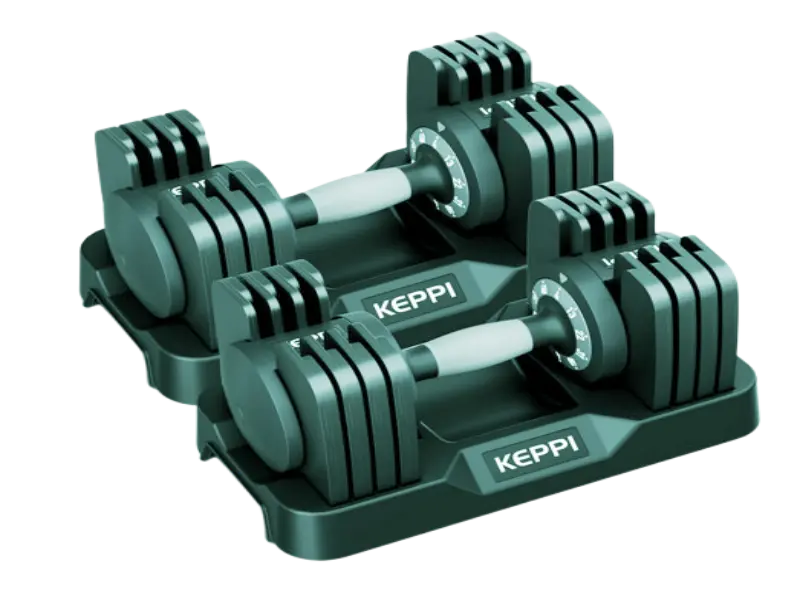
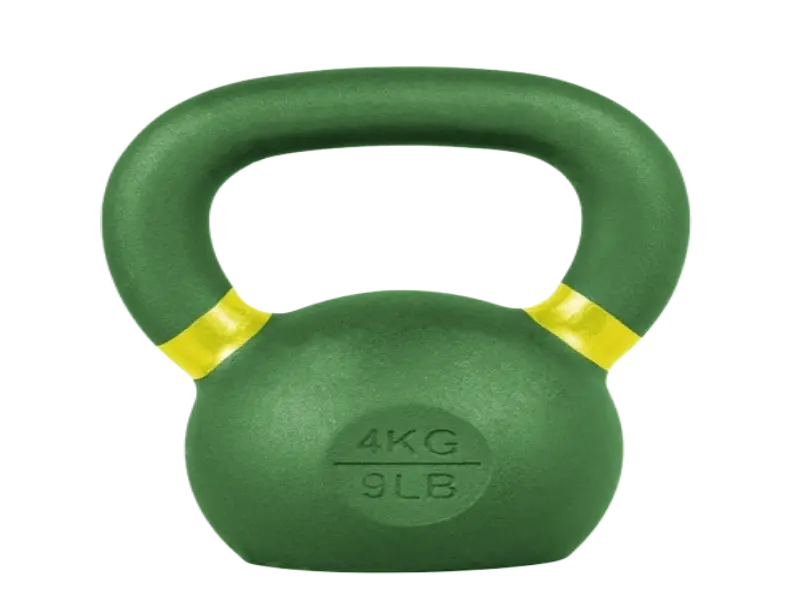
Before diving into the medical specifics, let us look at a quick comparison table to understand how these two fitness tools stack up against each other for diabetic health management.
| Feature | Kettlebells | Dumbbells |
| Primary Movement Type | Dynamic, explosive, and full-body ballistic | Isolated, controlled, and muscle-specific |
| Cardiovascular Benefit | Extremely high (High-intensity cardio + strength) | Moderate (Mainly focused on muscle tension) |
| Insulin Sensitivity Impact | Rapid glucose clearance via compound movements | Long-term glucose storage via muscle hypertrophy |
| Grip & Ergonomics | Thick, offset handle (challenges grip strength) | Center handle (balanced and easy to hold) |
| Injury Risk Level | Moderate to High (Requires proper form coaching) | Low to Moderate (Highly controlled and safer) |
| Space & Cost | Minimal space, requires fewer weight variations | Requires multiple pairs as strength increases |
The Science of Kettlebell vs Dumbbells for Diabetics
To appreciate the battle of kettlebell vs dumbbells for diabetics, it is vital to understand what happens inside a diabetic body during weight lifting. When you engage in resistance training, your body pulls glucose directly from your bloodstream to fuel your working muscles. While exercising activates your muscles, maintaining healthy blood flow through recovery is equally crucial. For instance, combining your strength routine with proper resting solutions, such as the ones mentioned in our comprehensive review of the 5 Best Diabetic Leg Elevation Pillows to Boost Circulation (2026 Guide), can dramatically improve peripheral blood circulation and speed up muscle recovery.
How Kettlebell and Dumbbell Workouts Bypass Insulin
During muscle contractions, specific glucose transporter proteins known as GLUT4 migrate to the surface of your muscle cells. These proteins act like open doors, allowing circulating blood sugar to enter the muscles to be burned as energy. This means that regular weight lifting naturally lowers your blood sugar. Moreover, it achieves this result without forcing your pancreas to overwork and produce more insulin.
Furthermore, building lean muscle mass creates a larger “storage tank” for glycogen. The more muscle mass your body possesses, the more room it has to safely store glucose, reducing dangerous blood sugar spikes after meals. Both kettlebells and dumbbells achieve this goal, but their paths to metabolic success are completely distinct.
Kettlebell Training for Diabetics: A Deep Dive
Kettlebells are unique because of their design. Unlike a dumbbell, a kettlebell’s center of mass is extended beyond the handle. This offset weight forces your core, stabilizing muscles, and cardiovascular system to work in unison during every single repetition.
Ballistic Movements and Rapid Glucose Clearance
The core of kettlebell training revolves around ballistic, explosive movements such as the kettlebell swing, clean, and snatch. These exercises are not isolated; they are compound movements that recruit hundreds of muscles simultaneously, particularly the posterior chain (glutes, hamstrings, and lower back).
Because you are using so many large muscle groups at once, the demand for immediate energy skyrockets. Your body rapidly activates the GLUT4 transporters, leading to fast and efficient glucose clearance from your bloodstream. For individuals looking to quickly reverse a post-meal glucose spike, a short, controlled session of explosive movements can be incredibly effective.
Kettlebell vs Dumbbells for Diabetics: Cardiovascular and Strength Benefits
One of the biggest struggles for diabetics is finding the time or stamina to perform both cardiovascular training (for heart health) and strength training (for muscle health). Kettlebells beautifully solve this problem by offering a hybrid workout.
A high-repetition kettlebell circuit challenges your lungs and heart just as much as a sprint, while simultaneously tearing down muscle fibers for strength adaptation. Improved cardiovascular health reduces the risk of diabetic microvascular complications, protecting your eyes, kidneys, and nervous system over time.
Dumbbell Training for Diabetics: A Deep Dive
Dumbbells represent the traditional approach to resistance training. Because the weight is perfectly balanced on either side of the handle, dumbbell movements are highly controlled, predictable, and isolated. This controlled nature makes them ideal for individuals who need to exercise while seated to prevent strain. To further boost lower-body health after your seated workouts, combining resistance training with targeted therapy tools, such as the ones reviewed in our guide on the Best Leg Circulation Machines for Diabetics: 5 Top Picks in 2026, can dramatically enhance blood flow and reduce nerve discomfort in your legs.
Muscle Hypertrophy and Long-Term Glycogen Storage
While kettlebells focus on explosive power, dumbbells excel at muscle hypertrophy—the physical growth of muscle tissue. Exercises like the dumbbell chest press, bicep curl, and isolated shoulder press allow you to target specific muscles and push them to failure safely.
For diabetics, muscle hypertrophy is a long-term insurance policy. Larger muscles mean a permanently increased metabolic rate. Even when you are sitting on the couch or sleeping at night, a body with more muscle mass burns more baseline glucose than a body with less muscle. If your primary health goal is to fix long-term insulin resistance by changing your body composition, dumbbells are an exceptional weapon.
Unmatched Safety and Joint Protection
Diabetic neuropathy (nerve damage) and diabetic arthropathy (joint stiffness) are common complications that affect balance and coordination. This is where dumbbells hold a massive advantage over kettlebells.
Because dumbbell exercises are performed in a slow, controlled manner, the risk of losing control of the weight is minimal. You can perform most dumbbell exercises while sitting securely on a sturdy chair or a weight bench. This eliminates the risk of falls or sudden lower-back strains, making dumbbells the absolute safest starting point for elderly diabetics or individuals with severe peripheral neuropathy.
Kettlebell vs Dumbbells for Diabetics: Head-to-Head Comparison

To make your buying decision easier, let us compare kettlebell vs dumbbells for diabetics across the four most important health and practical metrics.
1. Impact on Insulin Sensitivity and Post-Meal Spikes
If your main priority is immediate blood sugar management, kettlebells win by a narrow margin. The explosive, full-body nature of exercises like the kettlebell swing uses more total energy per minute than a standard dumbbell bicep curl or shoulder press. This results in faster glucose uptake during and immediately after the workout session.
2. Safety, Control, and Neuropathy Considerations
For safety and accessibility, dumbbells are the undisputed winner. Kettlebells require a high level of core stability, coordination, and grip strength. If a diabetic individual suffers from numbness in their hands or feet due to neuropathy, swinging a heavy iron kettlebell can be dangerous. Dumbbells allow for safe, seated, and isolated movements that isolate the muscle without compromising structural balance.
3. Cardiovascular and Heart Health Benefits
Kettlebells take the trophy here. Managing diabetes is not just about tracking blood sugar; it is also about protecting your heart, as diabetics face a higher risk of cardiovascular issues. Kettlebell circuits keep your heart rate inside the fat-burning and cardio zones throughout the entire workout, offering a complete 2-in-1 health solution.
4. Tracking and Progress Monitoring
Dumbbells win when it comes to progressive overload. Dumbbell sets usually increase in small, manageable increments (such as 2-pound or 5-pound jumps). This allows you to slowly and precisely increase your strength. Kettlebells, on the other hand, usually feature much larger weight jumps, which can sometimes be intimidating or too difficult for a beginner to step up to safely.
Tip: Regardless of whether you choose kettlebells or dumbbells, tracking how your body responds to the physical stress of lifting is crucial. Using advanced wearable technology can provide deep insights into your recovery. For a detailed look at the best lifestyle trackers, read our review of the [Link your 5 Best Smart Rings for Diabetics Article Here] to see how modern sensors map your stress and heart rate variability during exercise.
How to Safely Exercise with Diabetes: Crucial Rules
Lifting weights is highly beneficial, but exercising with diabetes requires specific precautions to ensure your safety and avoid sudden medical emergencies. Monitoring how your body responds to physical stress in real-time is the smartest way to stay safe during these sessions. Using advanced wearable technology, such as the devices featured in our expert review of the 5 Best Smart Rings for Diabetics in 2026 [Blood Sugar & Health Tracker Reviews], allows you to track your heart rate variability (HRV), exercise stress, and metabolic changes seamlessly as you lift.
Always Monitor Your Blood Glucose Levels
Never begin a strength training session without knowing your current blood sugar numbers.
- Below 100 mg/dL: Your blood sugar is too low. Eat a small snack containing 15 grams of fast-acting carbohydrates (like a banana or a small glass of fruit juice) and wait 15–20 minutes before picking up any weights.
- Between 100 and 250 mg/dL: This is the ideal green zone for both kettlebell and dumbbell training.
- Above 250 mg/dL: Exercise caution. Check your urine for ketones. If ketones are present, avoid working out, as high-intensity lifting can actually cause your blood sugar to spike even higher.
Prevent Sudden Hypoglycemia During Workouts
Because resistance training is so efficient at pulling sugar out of your blood, it can sometimes work too well, leading to sudden hypoglycemia (low blood sugar). Always keep a fast-acting glucose source, such as glucose tablets, sports drinks, or candy, within arm’s reach of your exercise mat. If you start feeling dizzy, shaky, sweaty, or confused, stop lifting immediately and treat the low.
Protect Your Feet
Diabetes reduces blood circulation to your extremities and can desensitize your feet. When practicing standing exercises—especially dynamic kettlebell movements—always wear supportive, closed-toe athletic shoes. Inspect your feet daily for any blisters, redness, or minor cuts caused by your workout footwear to prevent severe diabetic foot ulcers. Following a strict inspection routine is a medically backed necessity. For a complete list of daily preventative steps and expert advice on keeping your feet healthy, you can explore the official CDC Guide on Diabetes and Foot Problems
Frequently Asked Questions (FAQs) of Kettlebell vs Dumbbells for Diabetics
Yes, a controlled kettlebell swing routine can replace walking, especially on rainy days when you cannot go outside. In fact, kettlebell swings offer a superior metabolic benefit because they combine high-intensity cardiovascular conditioning with full-body resistance training, activating more muscle fibers than traditional walking.
Dumbbells are generally much safer for elderly diabetics. Older individuals often face age-related joint stiffness or balance issues. Dumbbell exercises can be performed while sitting down, providing maximum stability and minimizing the risk of lower back strain or loss of balance associated with swinging motions.
The American Diabetes Association (ADA) recommends at least 2 to 3 resistance training sessions per week on non-consecutive days. This applies to both kettlebell and dumbbell workouts. Giving your muscles 48 hours of rest between sessions allows your muscle tissue to repair properly and continuously optimize insulin sensitivity.
Yes, it is entirely normal to see a brief spike in blood sugar during or immediately after high-intensity explosive lifting. Intense exercise triggers the release of stress hormones like adrenaline and cortisol, which prompt the liver to release stored glucose for quick energy. Do not panic; this temporary spike typically stabilizes within an hour as your muscles continue to absorb glucose during recovery.
Final Verdict: Kettlebell vs Dumbbells for Diabetics
In the debate of kettlebell vs dumbbells for diabetics, the absolute best choice depends entirely on your current physical fitness level, age, and specific diabetic complications.
- Choose Kettlebells if: You are already fairly active, possess decent core strength, have no signs of severe peripheral neuropathy, and want a time-saving, high-energy workout that improves both your cardiovascular stamina and muscle power simultaneously.
- Choose Dumbbells if: You are a complete beginner to fitness, are recovering from joint issues, suffer from diabetic neuropathy or balance challenges, and prefer a safe, highly controlled environment where you can systematically build lean muscle mass at your own pace.
Ultimately, you do not have to choose just one forever. Many successful diabetic fitness plans combine the two—using safe dumbbells for upper-body isolation movements and a kettlebell for dynamic lower-body posterior chain activation. Pick the tool that aligns with your current physical realities, monitor your blood sugar diligently, and enjoy the incredible health benefits of strength training! To explore more about the recommended weekly guidelines and medical benefits of weight lifting, you can review the official physical activity position statement provided by the American Diabetes Association (ADA) Exercise Guidelines.