
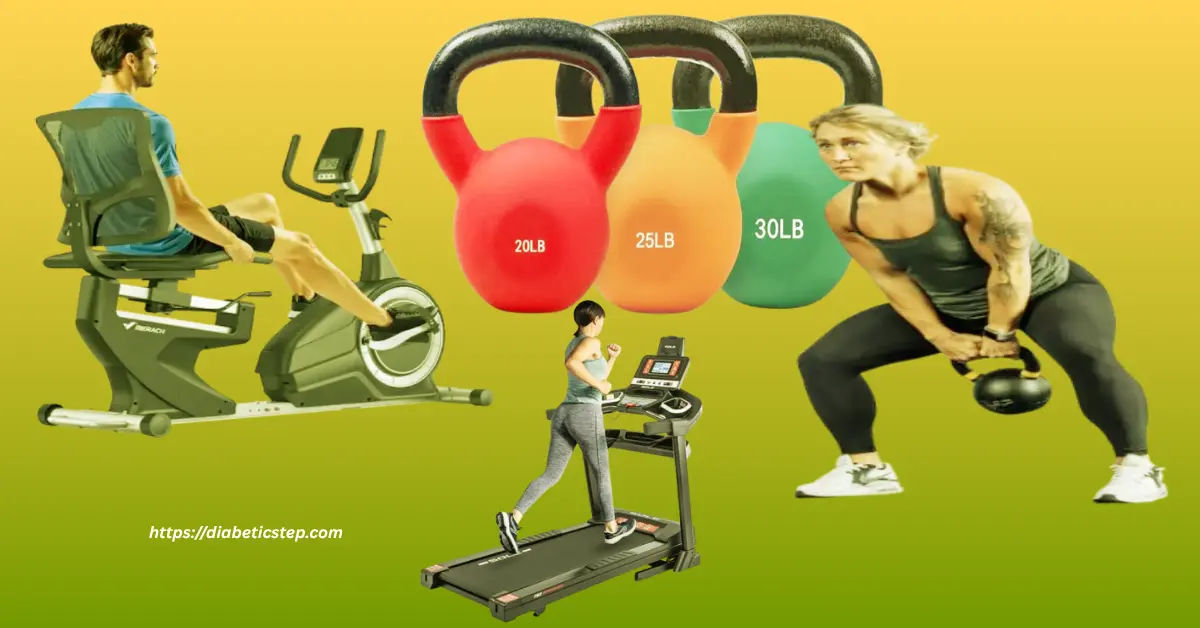
Managing blood sugar effectively often requires a mix of smart dietary choices and consistent physical activity. If you want to take full control of your fitness without stepping out of your house, learning how to build a safe diabetic home gym is one of the most practical investments you can make for your long-term health. Working out at home not only saves time but also allows you to exercise in a controlled, safe environment where you can monitor your glucose levels, keep your diabetic socks handy, and rest whenever your body demands it.
However, designing a fitness space specifically for diabetes management is quite different from building a generic workout room. You need to focus heavily on low-impact cardiovascular health, muscle-building resistance training to improve insulin sensitivity, and specialized balance exercises to prevent nerve-related complications. Moreover, selecting the right tools ensures you get all the metabolic benefits of exercise without risking joint stress or sudden drops in blood sugar. In this complete guide, we will break down the essential equipment you need, a beginner-friendly routine, and vital safety protocols to keep your fitness journey both effective and injury-free.
Why You Need a Safe Diabetic Home Gym Setup
Before buying any equipment, it is important to understand why a structured home environment works wonders for diabetes care. When you engage in regular physical activity, your muscles utilize glucose for energy, which naturally lowers your circulating blood sugar levels. Over time, consistent resistance and cardiovascular training significantly increase your body’s insulin sensitivity. This means your cells can use the available insulin much more effectively to manage glucose windows.
In addition, exercising at home removes many common barriers that prevent people from staying consistent. You do not have to worry about bad weather, gym memberships, or feeling self-conscious. Most importantly, having your own space allows you to keep quick-acting carbs (like glucose tablets or juice) within arm’s reach in case of sudden hypoglycemia. Therefore, creating a personalized setups is a proactive strategy for total health independence.
Essential Equipment for Your Safe Diabetic Home Gym

When figuring out how to build a safe diabetic home gym, your top priority must be safety and functionality. You do not need massive, expensive commercial machines. Instead, focus on versatile, low-impact tools that target strength, endurance, and neurological balance. To understand how these exercises impact your body, you can read the comprehensive exercise guidelines on the Mayo Clinic Healthy Lifestyle Section
Let us look at the absolute essentials you should consider adding to your home setup:
1. Resistance Training Tools: Dumbbells and Kettlebells
Building lean muscle mass is crucial because skeletal muscle acts as a primary sink for glucose storage.
- Adjustable Dumbbells: A high-quality adjustable dumbbell set allows you to gradually increase your lifting weight as your strength improves. Exercises like bicep curls, shoulder presses, and chest presses are excellent for upper-body conditioning.
- Kettlebells: Utilizing a light to moderate kettlebell is fantastic for dynamic, full-body movements. Performing controlled kettlebell squats or deadlifts helps strengthen your core and large lower-body muscle groups, directly contributing to better metabolic health.
2. Neurological and Balance Support: Wobble Boards
Diabetic neuropathy (nerve damage) often starts in the feet, leading to poor balance and an increased risk of falls.
- Wobble Boards / Balance Boards: Incorporating a professional wooden wobble board into your gym setup is an unbeatable way to stimulate joint proprioception and strengthen ankle stability. Spending just 5 to 10 minutes on a balance board each day can significantly improve your daily posture, boost leg circulation, and keep your lower limbs highly resilient.
3. Low-Impact Cardiovascular Machines: Treadmill vs. Rowing Machine
Cardio is essential for keeping your heart healthy and your microvascular blood vessels flexible.
- The Compact Treadmill: A home treadmill is ideal for steady, controlled walking sessions, allowing you to get your steps in regardless of weather conditions.
- The Magnetic Rowing Machine: If you suffer from joint or foot pain, a magnetic rowing machine is an outstanding alternative. It provides a rigorous, full-body cardiovascular workout that engages 85% of your muscles while keeping you in a safe, seated position, completely eliminating impact on your feet.
Equipment Comparison for Diabetic Fitness
To help you decide which tools to prioritize first based on your specific health goals, here is a quick breakdown of how these essential home gym items compare:
| Equipment Type | Primary Health Benefit | Impact Level on Joints | Best For | Check Product |
|---|---|---|---|---|
| Adjustable Dumbbells | Increases muscle mass & insulin sensitivity | Low | Upper & lower body strength | See Details on Amazon |
| Kettlebells | Core strength & full-body metabolic boost | Moderate | Functional strength & fat loss | See Details on Amazon |
| Wobble Boards | Improves balance & fights neuropathy strain | Extremely Low | Ankle stability & fall prevention | See Details on Amazon |
| Rowing Machine | Full-body cardio & joint-safe endurance | Zero Impact | High-calorie burn without foot strain | See Details on Amazon |
| Home Treadmill | Steady-state cardio & functional mobility | Low to Moderate | Daily walking & cardiovascular health | See Details on Amazon |
A Safe and Effective Weekly Home Routine for Beginners
Now that your space is organized, you need a structured, well-balanced workout plan. Consequently, combining different types of training throughout the week ensures you reap maximum rewards without overworking your body.
Here is a simple, highly effective routine you can safely follow at home:
Warm-Up (5-7 Minutes)
Never skip your warm-up, as it prepares your heart and muscles for exertion. Start with light stretching and spend 5 minutes doing a slow, easy walk on your treadmill or a gentle glide on your rowing machine.
Strength & Balance Circuit (20 Minutes – 3 Days a Week)
- Dumbbell Goblet Squats: Hold one dumbbell vertically at your chest and perform 3 sets of 10 controlled repetitions to build leg strength.
- Wobble Board Balance: Stand on your balance board for 30 to 60 seconds at a time. Ensure you place the board near a sturdy wall or sturdy chair so you can grab onto it if you lose your balance. Repeat this 3 times.
- Kettlebell Romanian Deadlifts: Hold your kettlebell with both hands, hinge at your hips, and lower it down your shins to strengthen your hamstrings and lower back. Do 3 sets of 12 reps.
Cardiovascular Endurance (15-20 Minutes – 2 Days a Week)
On alternative days, focus purely on cardiovascular health. Spend 20 minutes keeping a steady, moderate pace on your magnetic rowing machine or treadmill. You should be breathing deeply but still able to hold a conversation comfortably.
Crucial Guidelines for a Safe Diabetic Home Gym Workout
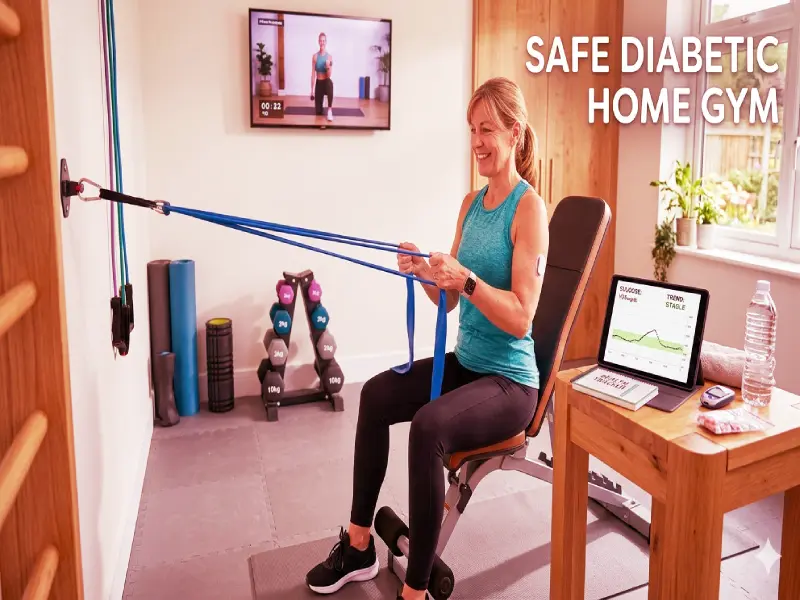
When discovering how to build a safe diabetic home gym, establishing clear safety protocols is just as vital as picking the right gear. Because exercise naturally drops blood glucose, failing to prepare can lead to sudden lightheadedness or injury.
- Check Your Glucose Levels Before and After: In fact, routine tracking is your best defense. Always test your blood sugar before starting a session. If your reading is below 100 mg/dL, consume a small 15-gram carbohydrate snack (like a banana or a few crackers) and wait 15 minutes before training.
- Always Wear Protective Footwear: Never exercise barefoot, even on your home carpets. Always wear comfortable sneakers and specialized diabetic socks to shield your feet from blisters, cuts, or unnecessary friction.
- Stay Adequately Hydrated: Dehydration can negatively impact your blood sugar levels and cause muscle cramps. Keep a water bottle nearby and sip from it continuously throughout your routines.
Frequently Asked Questions (FAQs)
Ans: Not at all! You do not need an array of massive machines. In fact, starting out with a simple set of adjustable dumbbells, a reliable wobble board for balance therapy, and a few resistance bands is incredibly affordable and highly effective for comprehensive diabetes care.
Ans: For individuals dealing with advanced neuropathy or foot numbness, a seated magnetic rowing machine is generally considered safer than a treadmill. It provides an excellent full-body cardio workout while completely eliminating vertical impact and pressure on your feet.
Ans: For optimal results, aim for at least 150 minutes of moderate physical activity per week. This can easily be broken down into 3 days of strength and balance training (using dumbbells and wobble boards) and 2 days of dedicated low-impact cardiovascular exercise.
Ans: Keep quick-acting carbohydrates, such as glucose gels, fruit juice, or tablets, inside your workout area. If you experience sudden dizziness, sweating, or shakiness, stop exercising immediately, check your glucose, and follow the standard 15-15 rule (consume 15g of carbs and rest for 15 minutes).
Final Thoughts: Take Control of Your Health Journey
Investing the time to design a safe, highly functional physical therapy space at home is a life-changing step toward total wellness. By combining proper strength tools, stability gear like balance boards, and low-impact cardio options, you create a powerful defense system against diabetes complications. Stay consistent, listen to your body, always track your numbers, and enjoy the wonderful journey of building a healthier, stronger version of yourself right at home! For more certified guidelines on exercising with diabetes, you can also review the official guidelines provided by the American Diabetes Association.