
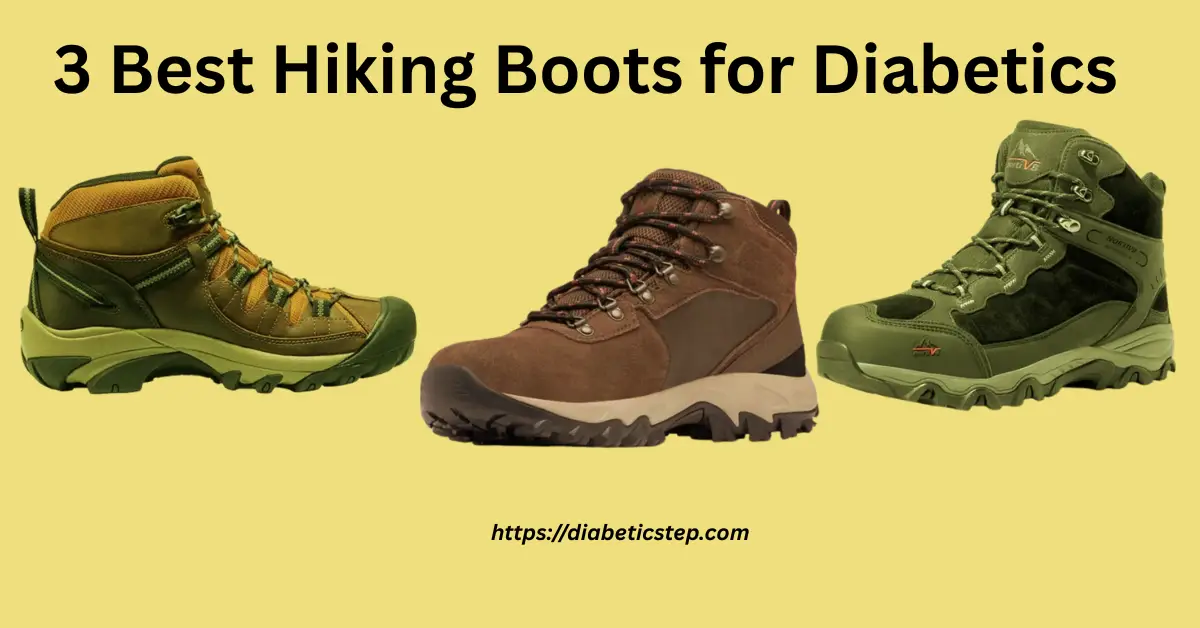
Finding the best hiking boots for diabetics isn’t just about comfort; in fact, it is a critical step in protecting your feet from severe complications. Additionally, in this comprehensive guide, we review the top 3 diabetic-friendly hiking boots designed to deliver maximum cushioning, stability, and protective support for safe trail adventures.
Hiking is one of the most rewarding ways to stay active, enjoy nature, and keep blood sugar levels in check. However, for individuals living with diabetes, outdoor foot care requires extra attention. Specifically, navigating rocky trails with improper footwear can lead to blisters, pressure points, and dangerous skin breakdowns—especially for those managing diabetic neuropathy. Furthermore, if you are also looking for everyday casual footwear options, check out our guide on the Best Diabetic Shoes for Men: Top 5 Slip-on Picks for 2026 to keep your feet comfortable around the house or town.
Quick Comparison: Top 3 Diabetic Hiking Boots
| Boot Model | Key Feature | Best For | Protective Interior | Check Price |
|---|---|---|---|---|
| KEEN Targhee 2 Mid Waterproof | Wide Toe Box & Rubber Bumper | Neuropathy & Toe Protection | Soft & Seamless | Check Price on Amazon |
| NORTIV 8 Paladin Lightweight | EVA Shock Absorption & Low Price | Budget-Conscious Hikers | Thick Foam Padded | Check Price on Amazon |
| Columbia Newton Ridge II Suede | Techlite Midsole & Ankle Stability | Joint Relief & Traction | Plush Collar & Tongue | Check Price on Amazon |
Why Do Diabetics Need Specialized Hiking Boots?
Regular hiking boots are built for durability, however, they are often stiff, narrow, and feature rough internal seams. As a result, for someone with diabetes, these features can pose serious health risks:
- Neuropathy Risks: Reduced sensation in the feet means you might not feel a blister or a sharp stone until it becomes an open sore.
- Poor Circulation: In addition, tight or narrow shoes restrict blood flow, delaying wound healing and increasing infection risks.
- Joint Strain: Furthermore, a lack of proper shock absorption can aggravate diabetic joint stiffness and balance issues.
Specialized hiking footwear incorporates extra depth, seamless interiors, thick orthotic cushioning, and wide toe boxes to keep your feet fully protected on uneven terrain. Therefore, taking proper care of your feet during outdoor activities is essential, so feel free to check out our complete guide on Diabetic Foot Care to Prevent Amputation: The Ultimate Safety Guide for essential daily protection tips.
3 Best Hiking Boots for Diabetics: Detailed Reviews
1. KEEN Men’s Targhee 2 Mid Height Waterproof Hiking Boots
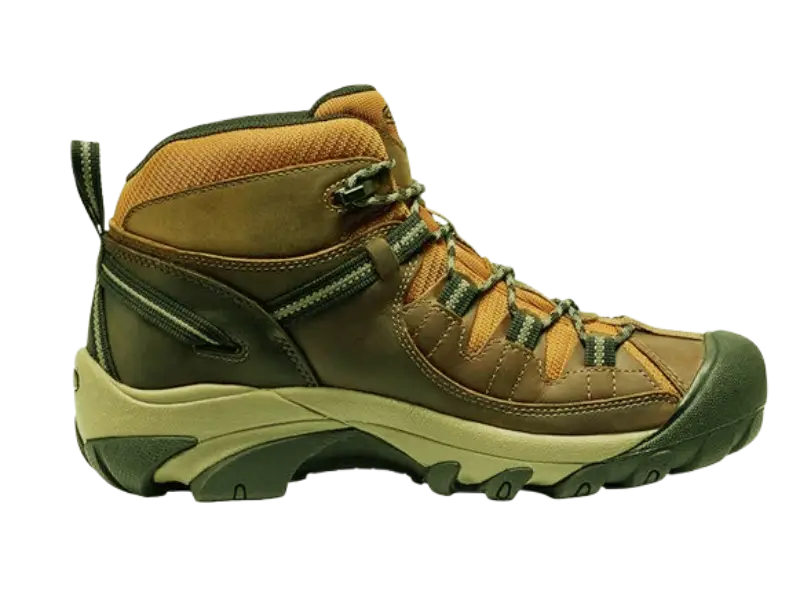
The KEEN Targhee 2 is widely recognized as one of the best hiking boots for diabetics due to its exceptionally wide toe box and protective front bumper. This spacious design prevents uncomfortable toe squeezing, making it an ideal choice for walkers with sensitive feet or early neuropathy symptoms.
- Patented Toe Protection: Features a heavy-duty rubber outsole that wraps over the toes to guard against accidental stubs on rocky paths.
- Metatomical Footbed: Built with an anatomically engineered insole that offers natural arch support and cradles the foot’s contours.
- Torsion Stability Shank: Provides strong underfoot support to keep your stride balanced and steady on uneven ground.
Pros:
- Roomy toe box reduces friction and blister risks
- Outstanding toe protection against trail debris
- Waterproof membrane keeps feet dry and healthy
Cons:
- Requires a brief break-in period
2. NORTIV 8 Men’s Waterproof Hiking Boots (Paladin)
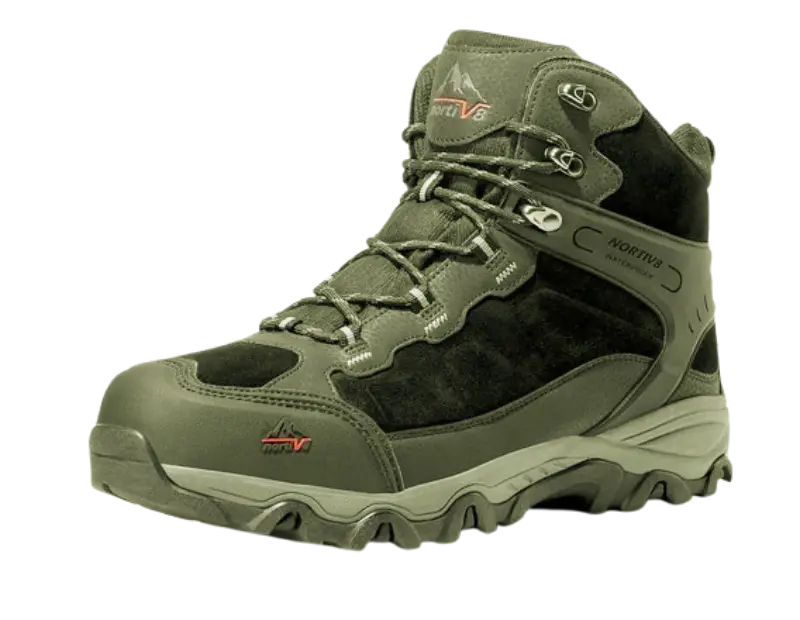
If you are searching for the best hiking boots for diabetics on a tight budget, the NORTIV 8 Paladin offers lightweight comfort without compromising safety. Its soft interior padding and shock-absorbing soles cushion every step, reducing pressure on vulnerable joints.
- Shock-Absorbing Midsole: Equipped with a flexible EVA midsole that absorbs trail impacts and minimizes heel fatigue.
- Lightweight & Flexible: Designed to feel less heavy on the feet, allowing for natural movement during daily walks or light hikes.
- Padded Ankle Support: Thick foam collar supports the ankle joints and protects delicate skin from chafing.
Pros:
- Highly affordable option for everyday trail walking
- Soft inner lining eliminates hard pressure spots
- Excellent grip on loose or wet surfaces
Cons:
- Lacks advanced orthotic support for severe arches
3. Columbia Men’s Newton Ridge Plus II Suede Waterproof
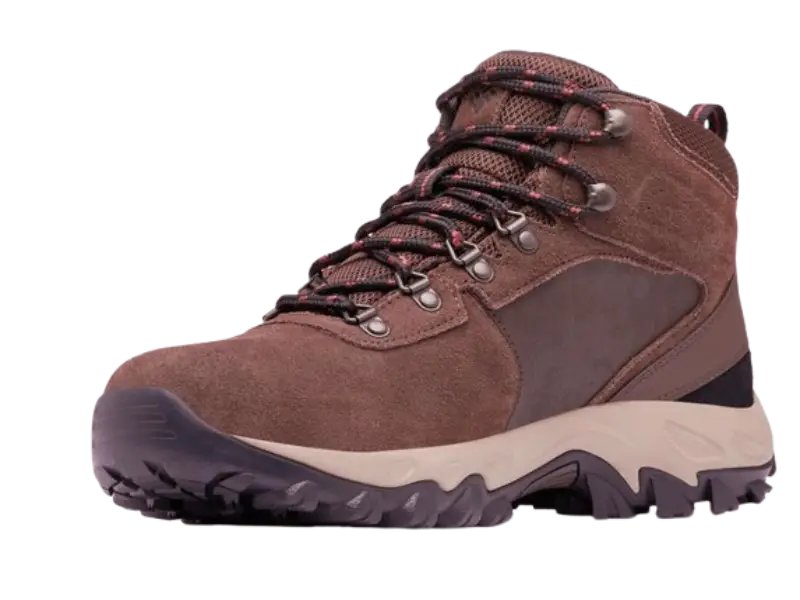
The Columbia Newton Ridge Plus II Suede stands out as one of the best hiking boots for diabetics for long-lasting trail comfort and reliable ankle stability. The soft suede leather upper combined with a plush tongue ensures your feet stay cushioned without tight binding.
- Techlite Midsole: Provides lightweight, long-lasting cushioning and high energy return to protect tender soles.
- Omni-Grip Non-Marking Rubber: Delivers multi-terrain traction to help prevent slips and sudden falls on rugged terrain.
- Suede & Mesh Construction: Offers a durable exterior while allowing adequate breathability to keep feet dry.
Pros:
- Superior shock absorption for joint relief
- Durable waterproof suede keeps moisture away
- Soft ankle collar minimizes heel friction
Cons:
- Suede material requires extra cleaning after muddy hikes
Key Features to Look for in Diabetic Hiking Boots
Before purchasing your next pair of trail boots, ensure they meet these vital foot-health criteria:
- Seamless & Soft Lining: Avoid boots with prominent internal stitching that can rub against the skin and create pressure sores.
- Wide Toe Box: Your toes should have enough room to wiggle freely without pressing against the front or sides of the boot.
- Removable Insoles: Look for boots with removable footbeds so you can easily insert custom prescribed diabetic orthotics.
- Reliable Ankle Support: Mid-cut or high-cut designs protect vulnerable ankles from twisting on rugged paths.
Frequently Asked Questions (FAQs)
Ans. Yes! Hiking is fantastic for managing blood sugar levels. However, diabetics must wear proper supportive footwear, inspect their feet before and after every hike, and wear moisture-wicking synthetic or wool socks.
Ans. It is often recommended to go half a size up or choose a “Wide” fitting. Feet naturally swell during physical activity, and extra room prevents dangerous toe compression.
Ans. Never wear 100% cotton socks, as they trap moisture against the skin. Instead, choose seamless, moisture-wicking merino wool or synthetic diabetic hiking socks with extra heel and toe padding.
Final Thoughts
Protecting your feet on the trail should always be your top priority. Investing in the best hiking boots for diabetics allows you to enjoy the physical and mental benefits of nature without compromising your safety. Whether you choose the wide toe protection of KEEN, the budget-friendly shock absorption of NORTIV 8, or the reliable ankle stability of Columbia, your feet will thank you for every mile. For more expert guidelines on preventing trail injuries and neuropathy care, you can read the official American Diabetes Association Foot Care Guide.