
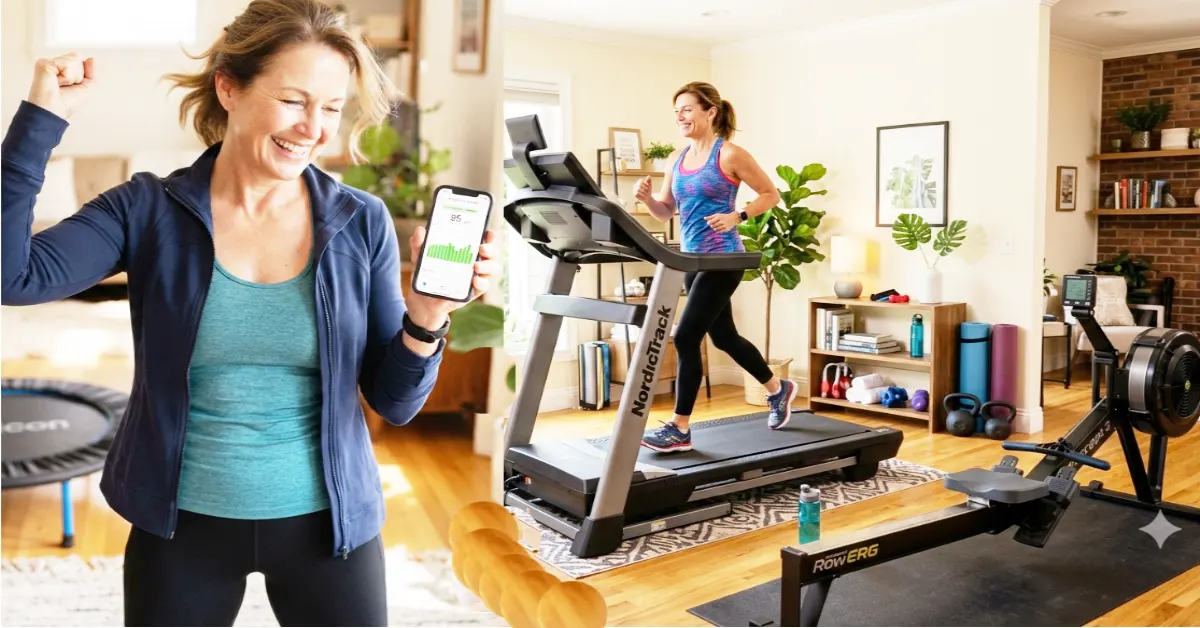
Learning how exercise lowers blood sugar immediately is one of the most powerful natural tools available for anyone managing type 2 diabetes or insulin resistance. While medication and dietary adjustments are fundamental to long-term glucose management, physical activity acts as a rapid, natural intervention to draw excess glucose out of your bloodstream. When you move your body, your muscles absorb blood sugar for energy without relying heavily on insulin. This step-by-step guide explores the science behind immediate glucose reduction and provides safe, joint-friendly home workout strategies designed specifically for diabetic health and comfort.
The Science: How Muscle Contraction Lowers Glucose Without Extra Insulin
To understand why physical activity works so quickly, it helps to examine how glucose enters your body’s cells under normal conditions versus during physical exertion. Normally, your pancreas releases insulin, which acts like a key to unlock cell doors so glucose can enter. In people with insulin resistance or type 2 diabetes, those locks are rusty, causing glucose to build up in the bloodstream.
GLUT4 Translocation During Exercise
When your skeletal muscles contract during physical movement, a unique biological process occurs. Your body triggers specialized glucose transport proteins called GLUT4 to move from inside the cell directly to the cell membrane.
In addition, Key Takeaway: GLUT4 translocation triggered by muscle contraction works completely independently of insulin. This means even if your cells are resistant to insulin, physical activity allows your muscles to act like a natural “glucose sponge,” drawing sugar straight out of your blood.
Post-Meal Hyperglycemia and Exercise Timing
Blood sugar levels typically peak between 30 to 90 minutes after a meal. Performing light to moderate exercise during this post-prandial window prevents dramatic glucose spikes. By engaging large muscle groups shortly after eating, you utilize incoming carbohydrates for immediate fuel rather than letting them accumulate in your systemic circulation.
Immediate vs. Long-Term Benefits of Physical Activity on Diabetes
how exercise lowers blood sugar
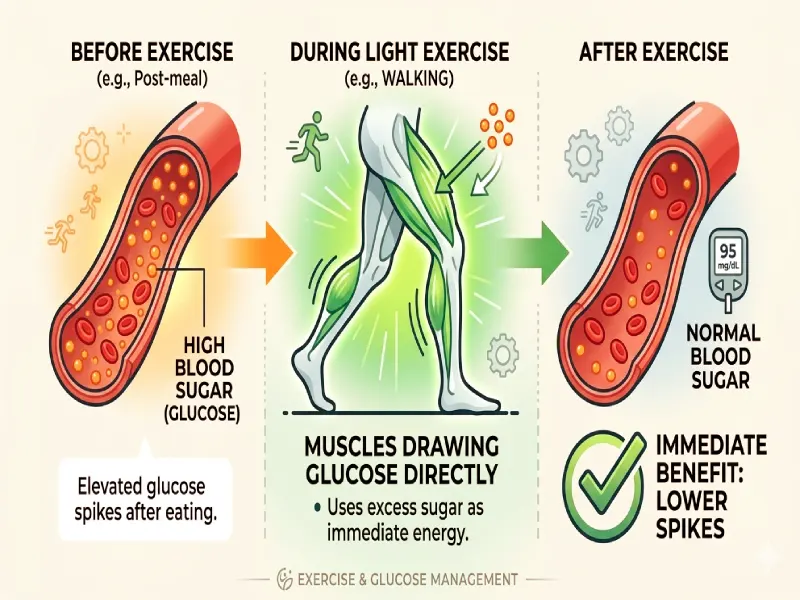
Physical movement offers both acute (immediate) and chronic (long-term) metabolic benefits. Understanding both helps maintain motivation for a daily routine.
| Acute (Immediate) Benefits | Chronic (Long-Term) Benefits |
| • Immediate GLUT4 activation in muscle cells | • Increased skeletal muscle mass for glycogen storage |
| • Rapid glucose clearance (within 1 to 2 hours) | • Enhanced basal insulin sensitivity |
| • Prevention of post-meal blood sugar spikes | • Lower overall baseline HbA1c levels |
| • Reduced acute vascular inflammation | • Improved overall cardiovascular health and stamina |
- Immediate Glucose Clearance: Within 10 to 15 minutes of starting light movement, active muscles increase their glucose uptake dramatically. This effect can keep insulin sensitivity elevated for 24 to 48 hours post-workout.
- Improved Cardiovascular Function: Diabetes affects microvascular and macrovascular blood vessels. Regular movement improves arterial elasticity, reduces resting blood pressure, and enhances peripheral circulation in the legs and feet.
3 Safe and Effective Home Workouts for Diabetics
High-impact exercises like running on hard pavement or heavy jump roping can place excessive stress on sensitive joints and vulnerable feet. For diabetics—especially those dealing with peripheral neuropathy or joint stiffness—low-impact exercise equipment provides the ideal balance of safety and metabolic efficiency.
1. Gentle Rebounding on a Mini-Trampoline
Rebounding involves gentle bouncing on a specialized mini-trampoline equipped with bungee cords. It is one of the most effective, low-impact home workouts available.
- Why It Works: Bouncing engages every major muscle group in the lower body, including the quadriceps, hamstrings, glutes, and calves. The soft mat absorbs up to 85% of impact, protecting knees, ankles, and the lumbar spine.
- Glucose Impact: A 15-minute gentle bouncing session after dinner accelerates lymphatic drainage and stimulates rapid muscular glucose uptake without causing fatigue.
- Internal Link Tip: (Insert link here to your commercial review post: “If you want to protect your joints while exercising at home, check out our guide on the Best Rebounder Trampolines for Home Exercise.
2. Smooth Elliptical Training
Elliptical machines deliver a continuous, fluid gliding movement that simulates walking or running without the foot-striking impact.
- Why It Works: Because your feet never leave the pedals, elliptical training eliminates harsh force on joint cartilage. It also allows dual-action upper and lower body engagement when using the handlebars.
- Glucose Impact: Engaging both upper body (chest, back, arms) and lower body muscles simultaneously increases total active muscle mass, maximizing the rate of glucose disposal.
- Internal Link Tip: (Insert link here to your comparison post: “Unsure whether an elliptical or stair climber is right for your joints? Read our detailed comparison: Elliptical Machine vs Stair Stepper for Joint Pain: Which Is Better?.
3. Light Resistance Band and Bodyweight Movements
Muscular resistance training builds high-density muscle fiber, which serves as the body’s primary storage reservoir for glycogen (stored glucose).
- Recommended Exercises:
- Seated Leg Extensions: Strengthens quads without knee pressure.
- Wall Push-ups: Engages chest and core muscles safely.
- Glute Bridges: Activates the largest muscle group in the body (the gluteus maximus) to clear circulating blood sugar quickly.
Comparing Low-Impact Home Exercise Options
Choosing the right equipment depends on your current fitness level, joint health, and available home space.
| Exercise Method | Impact Level on Joints | Primary Muscles Engaged | Glucose Clearance Speed | Ideal For |
| Gentle Rebounding | Very Low | Quads, Calves, Core, Lymphatic system | Rapid (10–15 mins) | Seniors, joint pain, balance support |
| Elliptical Trainer | Very Low | Full Body (Legs, Glutes, Arms, Back) | Rapid (15–20 mins) | Full-body cardio, weight management |
| Resistance Bands | Zero Impact | Target Muscle Groups | Moderate (20–30 mins) | Muscle building, limited mobility |
| Outdoor Walking | Moderate | Lower Body | Moderate (30–45 mins) | General fitness, basic routine |
Critical Safety Precautions for Diabetic Home Workouts
How exercise lowers blood sugar
While exercise is immensely beneficial, safety must always come first when managing diabetes. Taking a few precautionary steps ensures your workout remains safe and comfortable.
1. Diabetic Foot Care and Neuropathy Protection
Diabetic peripheral neuropathy can reduce sensation in the feet, making it difficult to feel minor blisters, pressure sores, or friction injuries.
- Wear Proper Footwear: Never exercise barefoot, even at home. Wear supportive, cushioned shoes with clean, moisture-wicking socks.
- Inspect Feet Daily: Always check your feet for redness, blisters, or cuts before and after every exercise session.
- Post-Workout Circulation Care: Using a gentle, low-intensity foot massager or circulation device post-exercise can help promote foot recovery and relax tired lower leg muscles.
- Internal Link Tip: (Insert link here to your foot massager post: “Learn how to select safe foot care equipment in our review of Manual vs Electric Foot Massagers for Diabetics.
2. Monitoring Blood Glucose Levels
Understanding your blood sugar numbers before starting physical activity prevents hypoglycemic (low blood sugar) or severely hyperglycemic complications.
- Below 100 mg/dL: Blood sugar may be too low for moderate exercise. Eat a small fast-acting carbohydrate snack (such as a piece of fruit or 4 ounces of juice) before starting.
- 100 to 250 mg/dL: Safe zone for most home workouts.
- Above 250 mg/dL: Exercise with caution. If blood sugar is extremely high and ketones are present, intense exercise can temporarily elevate glucose levels further due to stress hormone release.
3. Hydration and Electrolyte Balance
Dehydration concentrates blood sugar, causing glucose readings to rise. Drink plenty of water before, during, and after your home exercise routine to maintain optimal blood volume and aid muscle recovery, as recommended by the Mayo Clinic
Step-by-Step 15-Minute Post-Meal Workout Routine

Here is a simple, low-impact routine you can perform 30 minutes after your main meal to keep blood sugar under control:
- Minutes 0–3 (Warm-Up): Gentle marching in place or light arm circles while taking deep breaths.
- Minutes 3–10 (Main Cardio Block): 7 minutes of smooth bouncing on a mini-trampoline or low-resistance striding on an elliptical machine.
- Minutes 10–13 (Muscle Activation): 10 wall push-ups followed by 10 seated leg raises to engage major muscle groups.
- Minutes 13–15 (Cool-Down): Gentle slow walking and light calf stretching to lower heart rate safely.
Frequently Asked Questions (FAQs) About how exercise lowers blood sugar
Q1. How fast does exercise lower blood sugar after a meal?
Physical activity begins lowering blood sugar within 10 to 15 minutes of starting light to moderate movement. Muscle contractions trigger immediate glucose uptake, and blood sugar levels typically continue to drop for 1 to 2 hours following the workout.
Q2. Is gentle rebounding safe for diabetic seniors with joint pain?
Yes. Quality bungee-rebounders absorb up to 85% of landing impact compared to hard surfaces like concrete. Using a model equipped with a sturdy, adjustable stability handlebar allows seniors to exercise safely while maintaining balance and protecting sensitive knees and hips.
Q3. Can exercise cause blood sugar to temporarily rise instead of fall?
Yes, high-intensity workouts or heavy weightlifting can trigger a temporary spike in stress hormones like adrenaline and cortisol. These hormones signal the liver to release stored glucose into the blood. For blood sugar management, sticking to continuous, low-to-moderate-intensity workouts (like rebounding or elliptical striding) is most effective for steady glucose reduction.
Final Verdict: Safe Home Exercises to Lower Blood Sugar
Understanding how exercise lowers blood sugar immediately empowers you to take direct, natural control of your metabolic health. By using large muscle groups as natural glucose sponges, simple movement after meals effectively prevents dangerous blood sugar spikes, a process supported by research from the American Diabetes Association.
To build a consistent daily habit without risking joint pain or foot injuries, invest in high-quality, low-impact home equipment such as a smooth elliptical machine or a padded mini-trampoline. Combine regular low-impact cardio with proper diabetic foot care, consistent hydration, and simple glucose tracking to enjoy a healthier, more active lifestyle.on to draw excess glucose out of your bloodstream. When you move your body, your muscles absorb blood sugar for energy without relying heavily on insulin. This step-by-step guide explores the science behind immediate glucose reduction and provides safe, joint-friendly home workout strategies designed specifically for diabetic health and comfort.